
Listen to this Post
Introduction: When Work and Home Technology Collide
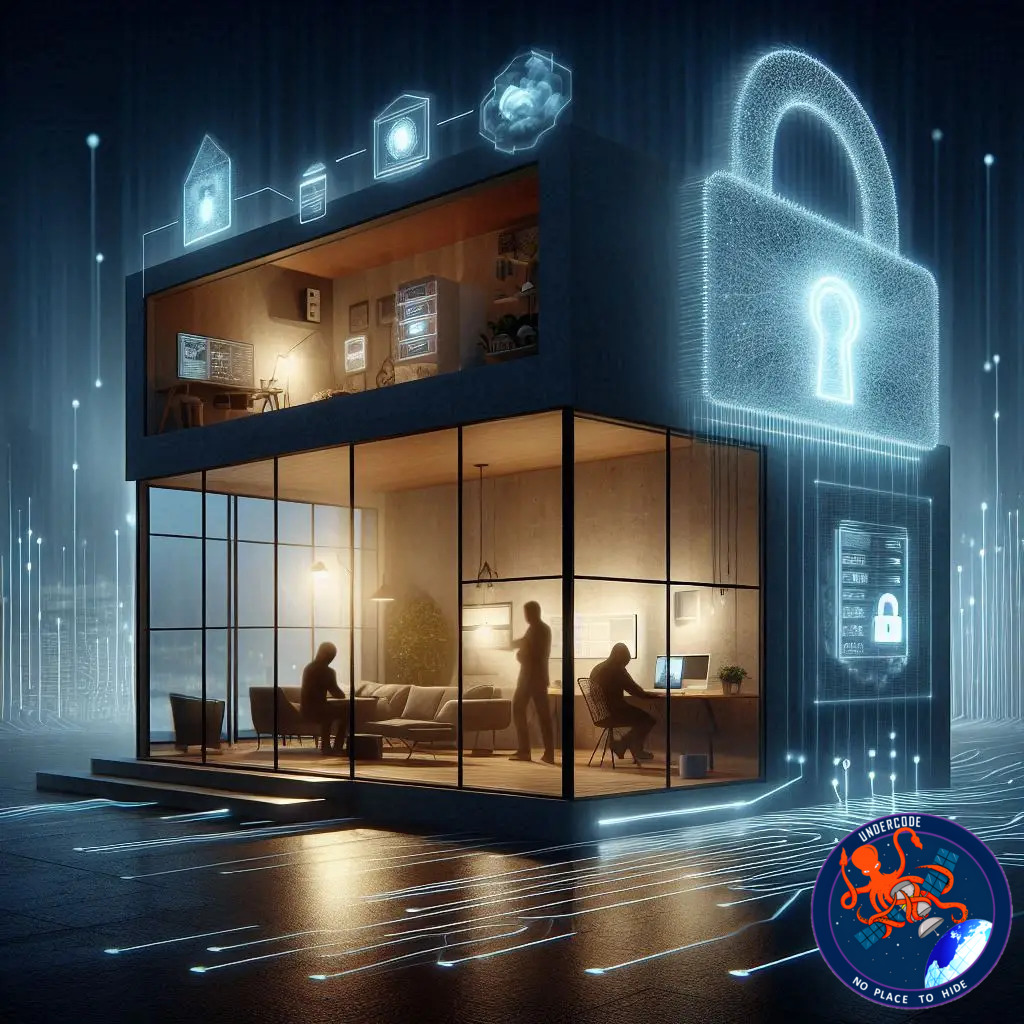
Running a small business today no longer means sitting behind a locked office door with a dedicated IT setup. For millions of entrepreneurs, work happens at the kitchen table, in spare bedrooms, coffee shops, and shared co-working spaces. Business life blends seamlessly into personal life, and with that blend comes an invisible security risk few people are talking about: smart devices.
the Original Everyday Tech, Hidden Danger
The article explains how modern small business owners operate in environments filled with smart technology, from Wi-Fi printers and smart TVs to doorbells, speakers, and pet feeders. These devices quietly run in the background while entrepreneurs answer emails, send invoices, and manage clients from laptops and phones. Because these tools feel harmless and familiar, most people never consider them part of their cybersecurity picture. Smart devices rely on sensors, automation, and learning algorithms to adapt to daily habits, making them useful but also potentially invasive. Unlike older devices, today’s smart tools constantly communicate with external servers through hidden software and companion apps installed on phones. Many of these apps request broad permissions and collect more data than users realize. The biggest problem is that most smart devices share the same Wi-Fi network as business-critical equipment like laptops and smartphones. Hackers rarely target the smart device itself for its data; instead, they use it as a side door to access business emails, cloud storage, contracts, and login credentials. Many business owners trust well-known brands, assuming reputation equals security, but software ages, updates stop, and default settings remain unchanged. Devices are often forgotten after setup, leaving vulnerabilities wide open. The article stresses that business owners don’t need to unplug everything or build a digital fortress. What truly matters is securing the devices that carry the business: phones, laptops, email accounts, and the network connecting them. Bitdefender Ultimate Small Business Security is presented as a solution designed for very small businesses, focusing on protecting core devices, online identities, and detecting scams or impersonation attempts. With personal and business technology sharing the same space, this type of protection becomes increasingly important.
What Undercode Says:
The Illusion of Safety in Familiar Devices
The biggest mistake small business owners make is assuming that “normal” devices are automatically safe. A smart speaker feels like a radio, a Wi-Fi printer feels like a basic office tool, and a smart TV feels like entertainment. But these are not passive machines. They run operating systems, store data, and connect to the internet 24/7. Hackers know this and actively scan networks for outdated firmware and weak passwords.
Why Hackers Love Small Businesses
Small businesses are ideal targets because they usually lack dedicated IT teams. Cybercriminals understand that owners are busy running operations, managing clients, and handling finances. Security updates often get ignored, and default passwords stay unchanged for years. Hackers don’t need advanced skills to break in; they only need one neglected device to gain access.
Smart Devices as Network Gateways
Your smart doorbell does not hold client contracts, but it sits on the same network as your laptop that does. Once attackers compromise one device, they can move laterally across your network. This technique, called lateral movement, allows them to explore connected systems quietly, often going unnoticed for weeks.
The Data You Don’t Know You’re Sharing
Most smart devices collect behavioral data: when you wake up, when you work, how long your lights stay on, and which rooms you use. That data is stored on remote servers controlled by manufacturers. If those servers are breached, your personal routines become public information. For a business owner, that can reveal working hours, travel patterns, and even office locations.
Default Settings Are a Cyber Trap
Manufacturers prioritize ease of use over security. Devices ship with default passwords, open ports, and broad permissions. Most users never change these settings because everything “just works.” Hackers maintain databases of default credentials for thousands of devices, making break-ins frighteningly easy.
Remote Work Changed the Risk Landscape
Before remote work, offices had firewalls and professional security setups. Now, home routers carry business data, personal devices, and smart home tech on the same network. This collapse of boundaries created one massive attack surface that criminals actively exploit.
Brand Reputation Doesn’t Mean Invincibility
Even premium brands suffer data breaches and delayed security patches. Software has a life cycle, and once support ends, vulnerabilities remain forever. Attackers specifically hunt for devices that manufacturers no longer update.
The Real Assets Worth Protecting
Your true business assets are not your smart gadgets. They are your email accounts, cloud storage, financial records, and client communications. These systems control money, contracts, and reputation. Once compromised, the damage can be permanent.
Why Security Software Matters Now More Than Ever
Traditional antivirus software is no longer enough. Modern threats involve phishing, impersonation scams, credential theft, and silent network infiltration. Comprehensive protection needs to monitor identity leaks, block malicious links, and detect suspicious behavior in real time.
Smart Protection for Smart Businesses
Tools like Bitdefender Ultimate Small Business Security make sense because they focus on real-world risks. Instead of chasing every gadget, they protect your core devices, your digital identity, and your online accounts. In an environment where work and personal life overlap, layered protection is no longer optional—it’s survival.
The Cost of Ignoring Cyber Hygiene
One breach can wipe out years of hard work. Lost data, legal issues, client distrust, and downtime can cripple a small business permanently. Prevention costs far less than recovery, yet most entrepreneurs only act after disaster strikes.
Simple Habits That Reduce Risk
Updating firmware, changing default passwords, using separate Wi-Fi networks for smart devices, and enabling two-factor authentication are small steps with massive impact. Cybersecurity is not about paranoia—it’s about awareness.
The Future of Small Business Security
As smart devices become more advanced, the attack surface will grow. AI-powered hacking tools are already automating attacks against vulnerable networks. Business owners who adapt early will survive. Those who ignore security will become easy targets.
🔍 Fact Checker Results
✅ Smart devices do communicate with external servers and store user behavior data.
✅ Hackers frequently exploit outdated firmware and default passwords.
❌ Brand reputation alone does not guarantee long-term security protection.
📊 Prediction
🔮 Cyberattacks targeting home-based businesses will double as remote work continues to grow.
🔐 Security software adoption among solo entrepreneurs will rise sharply by 2027.
⚠️ Smart home devices will become the 1 network entry point for small business breaches.
🕵️📝✔️Let’s dive deep and fact‑check.
References:
Reported By: www.bitdefender.com
Extra Source Hub (Possible Sources for article):
https://www.quora.com/topic/Technology
Wikipedia
OpenAi & Undercode AI
Image Source:
Unsplash
Undercode AI DI v2
Bing
🔐JOIN OUR CYBER WORLD [ CVE News • HackMonitor • UndercodeNews ]
📢 Follow UndercodeNews & Stay Tuned:
𝕏 formerly Twitter 🐦 | @ Threads | 🔗 Linkedin | 🦋BlueSky | 🐘Mastodon


