
Listen to this Post
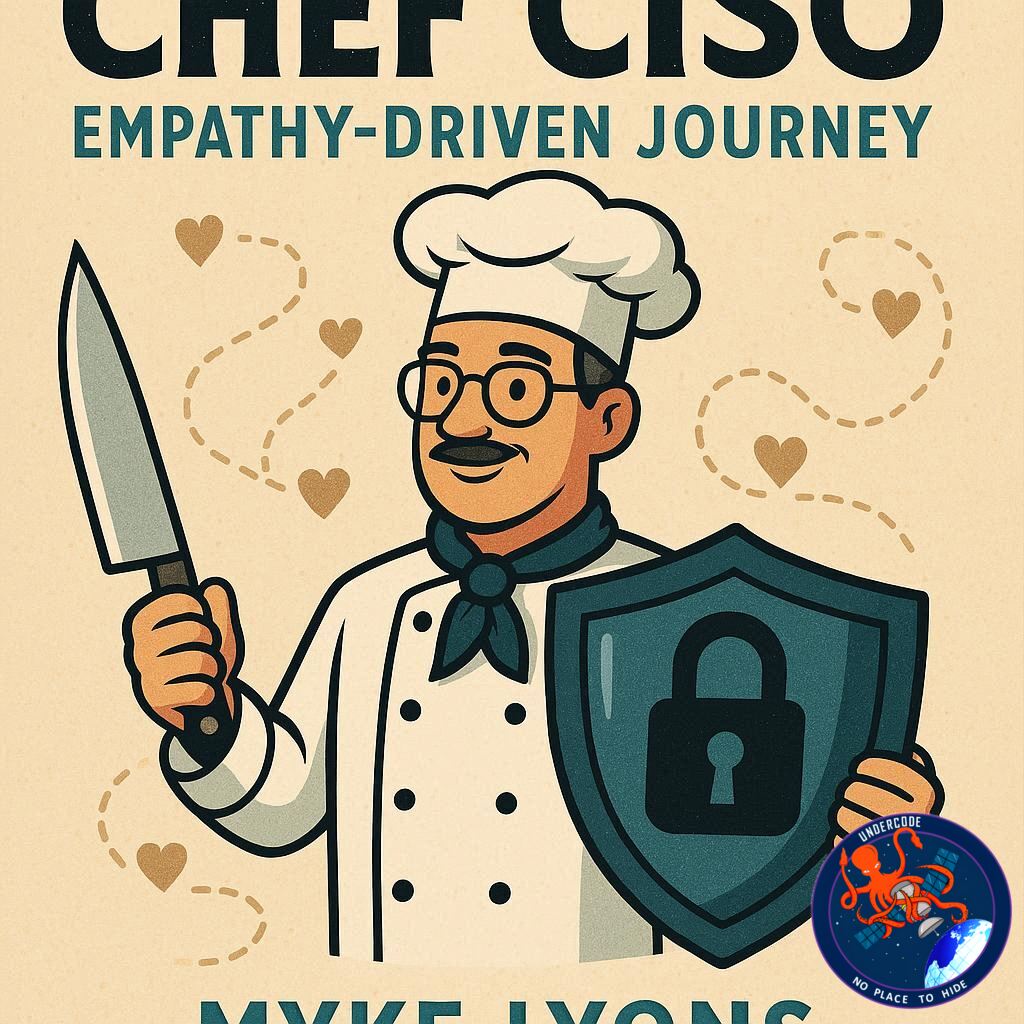 Cybersecurity is often imagined as a strictly technical battlefield, dominated by code, firewalls, and relentless cyber threats. Yet, leadership in this field is far more nuanced, requiring empathy, curiosity, and an unyielding commitment to learning. Myke Lyons, Chief Information Security Officer (CISO) at Cribl, exemplifies this approach. His unconventional journey—from culinary school graduate and aspiring food critic to leading cybersecurity at a major IT data-processing company—offers a compelling blueprint for how passion, discipline, and human-centric leadership can redefine success in the digital security arena.
A Culinary Start, a Cybersecurity Finish
Lyons began his professional life in the culinary world, mastering the discipline, precision, and attention to detail required of a chef. These skills, he would later reveal, were surprisingly transferable to cybersecurity. A chance encounter with technology while assisting a family-run printing business exposed him to IT fundamentals, where his curiosity sparked a deeper engagement with computers, data flow, and eventually, security. From these early experiments—building labs with decommissioned computers and learning how networks functioned—he laid the foundation for a career that would pivot far from the kitchen but retain its core lessons: rigor, patience, and precision.
Curiosity Over Credentials
As a leader, Lyons prioritizes curiosity and a hunger for learning over formal degrees or certifications. For him, technical expertise is valuable, but an eagerness to explore, question, and innovate is indispensable. He encourages cybersecurity professionals to embrace continuous learning, leveraging AI and other emerging technologies while keeping a strong focus on measurable outcomes. Lyons’ approach challenges traditional recruitment norms, emphasizing potential and personality over conventional educational pathways, and demonstrating that talent can emerge from the most unexpected backgrounds.
Empathy as a Cornerstone of Security Culture
Lyons’ leadership philosophy centers on empathy. Security incidents, he argues, should not be treated as failures to punish but as opportunities to teach, coach, and grow teams. By fostering a culture where mistakes are learning experiences, Lyons ensures that his team maintains trust, reduces stress during crises, and cultivates resilience. Empathy extends beyond the immediate team—understanding the human factors behind security lapses, such as a distracted employee clicking a phishing link, is key to mitigating risk and building a stronger organizational culture.
Mentorship as a Network, Not a Single Guide
Lyons also emphasizes the power of diverse mentorship. Rather than seeking one definitive mentor, he advocates learning from multiple individuals across different roles and experiences. This approach provides varied perspectives and insights that are crucial for navigating complex challenges, whether in cybersecurity or leadership. Lyons credits his growth to a network of mentors who offered practical wisdom and strategic guidance, reinforcing the notion that career development is a collaborative and continuous journey.
The AI-Driven Future of Cybersecurity
Looking ahead, Lyons foresees artificial intelligence transforming both offensive and defensive cybersecurity operations. Professionals must adopt these technologies thoughtfully, ensuring measurable benefits while remaining vigilant against increasingly sophisticated cyber threats. He advises newcomers to stay adaptable, remain curious, and continuously refine their skills, echoing his belief that learning is the most vital asset in the cybersecurity landscape.
What Undercode Say: Analytical Insights
Myke Lyons’ story highlights a shift in cybersecurity leadership philosophy—from purely technical prowess to human-centric, adaptable strategies. His journey underscores three key lessons: first, unconventional backgrounds can cultivate unique perspectives that enrich the cybersecurity field; second, empathy and culture-building are as critical as technical defenses, shaping how organizations respond to incidents and sustain trust; third, curiosity-driven learning, especially in the context of rapidly advancing AI, positions teams to anticipate and counter evolving threats effectively.
Lyons’ emphasis on curiosity over credentials is particularly significant in today’s talent landscape, where the demand for cybersecurity professionals far outpaces the supply of formally trained candidates. By focusing on potential and adaptability, organizations can cultivate a workforce that thrives in ambiguity and rapid change, turning perceived weaknesses into strengths. This approach also democratizes cybersecurity, making it accessible to individuals from varied professional and educational backgrounds, much like Lyons’ own transition from culinary arts to security leadership.
Empathy, in Lyons’ framework, operates on multiple levels: within the security team, across departments, and towards the broader organizational ecosystem. This human-first perspective mitigates the adversarial mindset often associated with cybersecurity, creating an environment where individuals are motivated to learn from mistakes, not fear them. In practice, such a culture reduces incident escalation, enhances collaboration, and fosters a proactive rather than reactive approach to security management.
AI’s role, as Lyons predicts, will be transformative but nuanced. Rather than replacing human insight, AI will augment it, automating repetitive tasks, identifying patterns, and enabling security teams to focus on strategic thinking and risk management. Success in this future will depend not just on technological adoption but on cultural alignment, ethical considerations, and rigorous measurement of outcomes.
Moreover, Lyons’ approach to mentorship reflects the evolving nature of professional growth. Modern cybersecurity professionals benefit more from a networked mentorship ecosystem than a singular guide. Diverse perspectives—ranging from technical expertise to strategic leadership—equip individuals with the agility and resilience needed to navigate complex and uncertain environments. This reinforces a broader lesson: leadership is less about hierarchy and more about curating talent, enabling potential, and fostering collective intelligence.
Lyons’ narrative also challenges industry stereotypes. By illustrating that a chef can become a top-tier CISO, he dismantles conventional assumptions about who belongs in cybersecurity, encouraging a more inclusive and dynamic talent pipeline. His emphasis on perfecting one’s craft—whether in cooking or cyber—underscores the universal value of discipline, dedication, and mastery in any field.
Finally, Lyons’ insights serve as a strategic roadmap for organizations and individuals alike. Companies should cultivate cultures that reward curiosity, empathy, and learning. Professionals entering the field must embrace continuous development, cross-functional knowledge, and ethical leadership. By harmonizing technology, culture, and human behavior, organizations can not only defend against threats but also thrive in an era of unprecedented digital complexity.
Fact Checker Results
✅ Myke Lyons transitioned from culinary arts to cybersecurity leadership.
✅ He prioritizes curiosity and empathy over formal credentials in hiring.
✅ He predicts AI will significantly reshape both offensive and defensive cybersecurity strategies.
Prediction
📊 As AI adoption accelerates in cybersecurity, leaders like Lyons will increasingly define industry best practices. Organizations emphasizing empathy, culture, and curiosity-driven learning will outperform those relying solely on technical acumen. The next five years may see a rise in nontraditional professionals entering cybersecurity, bringing diverse skills and perspectives that challenge established norms.
🕵️📝✔️Let’s dive deep and fact‑check.
References:
Reported By: www.darkreading.com
Extra Source Hub (Possible Sources for article):
https://www.twitter.com
Wikipedia
OpenAi & Undercode AI
Image Source:
Unsplash
Undercode AI DI v2
Bing
🔐JOIN OUR CYBER WORLD [ CVE News • HackMonitor • UndercodeNews ]
📢 Follow UndercodeNews & Stay Tuned:
𝕏 formerly Twitter 🐦 | @ Threads | 🔗 Linkedin | 🦋BlueSky | 🐘Mastodon


