
Listen to this Post
Introduction
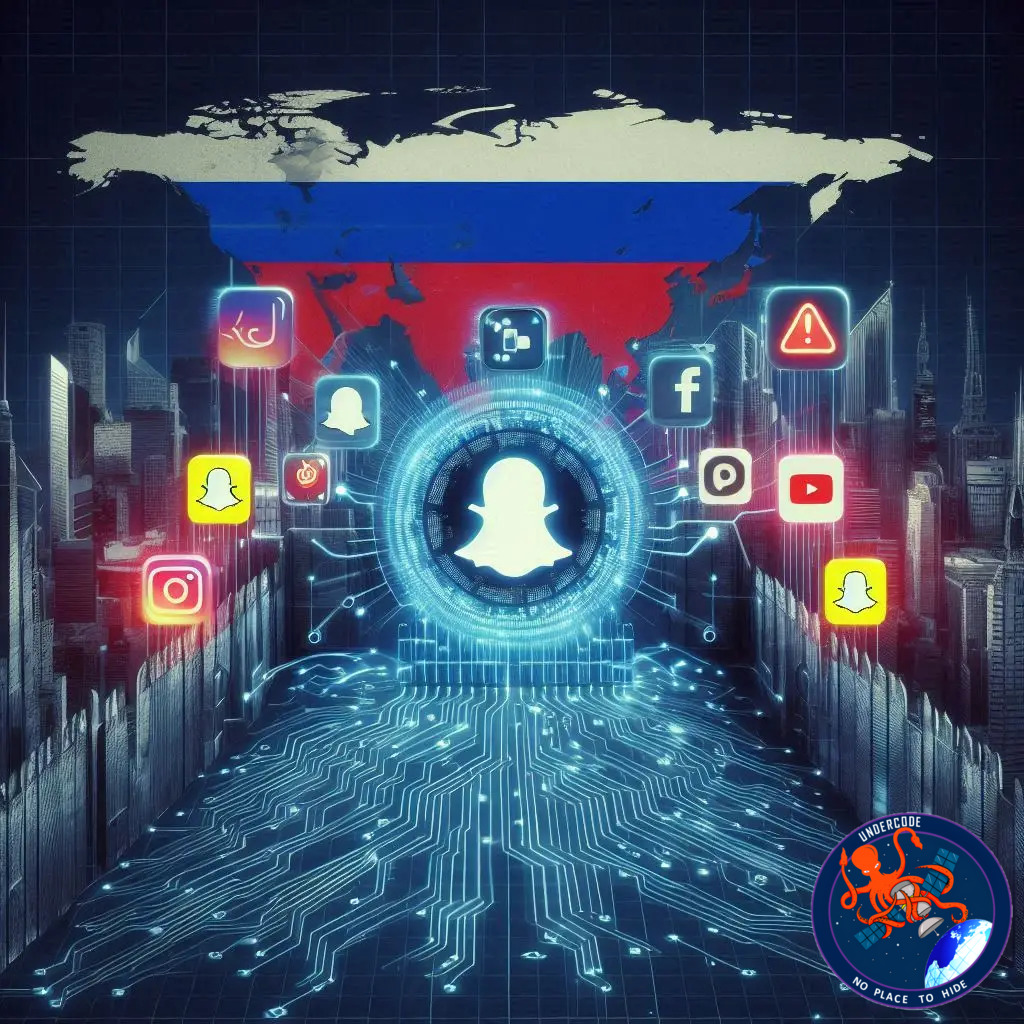
Russia has intensified its digital clampdown on foreign technology platforms, marking a significant escalation in its control over online communication. In a move that highlights growing tensions between Western tech companies and the Russian state, the government has blocked Snapchat and imposed restrictions on Apple’s FaceTime, citing concerns over terrorism and criminal activity. This latest measure underscores Moscow’s long-term strategy to limit access to foreign platforms while promoting domestic alternatives that grant authorities broad surveillance powers.
Russia Blocks Snapchat and Restricts FaceTime
Roskomnadzor, Russia’s state internet regulator, announced that Snapchat has been blocked nationwide, claiming the platform was being used to “organize and conduct terrorist activities, recruit perpetrators, and commit fraud and other crimes against citizens.” The regulator indicated that Snapchat had already been inaccessible in Russia since October 10, although the public announcement came only this week. Apple’s FaceTime, similarly, now faces limitations, accused of facilitating coordination for criminal and terrorist acts, though both Apple and Snap Inc. have not publicly commented on the developments.
Expansion of the Digital Iron Curtain
This latest crackdown is part of a broader campaign by Russian authorities to tighten control over online information and communication. Previous actions include blocks on major Western platforms such as Facebook, Instagram, X (formerly Twitter), Signal, and Viber. Telegram’s voice and video calls are partially restricted, and there are indications of deliberate throttling of YouTube traffic. These measures collectively form what experts describe as a digital iron curtain, isolating Russian users from global social media ecosystems.
Government Pushes Domestic Alternatives
Parallel to these restrictions, the Kremlin is promoting MAX, a state-controlled “super app” developed by VK. Mandatory on all new mobile devices sold in Russia since September, MAX integrates messaging, government services, and payment functions. Its developers openly state that user data can be shared with authorities upon request, raising concerns from digital rights advocates that the app prioritizes surveillance over privacy. WhatsApp has also been warned of a potential complete ban if Meta refuses to comply with Russian law enforcement demands related to fraud and terrorism cases.
Domestic Security Context
The timing of these digital restrictions aligns with ongoing domestic security concerns in Russia. Beyond the protracted conflict in Ukraine, the country faces threats from extremist groups. In March 2024, a coordinated attack at a Moscow concert claimed at least 149 lives, with an Afghanistan-based ISIS branch claiming responsibility. Authorities frame these measures as necessary to protect citizens, though critics argue they disproportionately expand government oversight and control.
VPNs and Circumvention Efforts
While virtual private network (VPN) services once allowed users to bypass platform restrictions, Russian authorities have increasingly blocked these tools, further constricting access to foreign apps and information sources. This highlights the government’s intent to create a tightly controlled digital environment where surveillance and censorship are normalized.
What Undercode Say:
Russia’s approach to internet regulation represents a strategic blend of digital isolation and state surveillance, designed to minimize Western influence while consolidating domestic control. The blocking of Snapchat and restrictions on FaceTime are not isolated incidents but part of a systematic effort to replace global communication platforms with government-approved alternatives like MAX. By mandating MAX on all new devices, Moscow effectively funnels user activity into a monitored ecosystem, granting authorities unprecedented access to private data.
This digital strategy also serves a dual political purpose. It legitimizes the Kremlin’s framing of national security threats while reducing the public’s exposure to dissenting perspectives often found on global platforms. The repeated targeting of platforms like WhatsApp and Telegram underscores that Russia’s focus extends beyond social media to any service that enables encrypted communication, reflecting an intent to control not just content but the means of private conversation.
The broader implications are significant. Beyond immediate security narratives, Russia’s digital policies risk isolating its tech ecosystem from global innovation, limiting competitive pressures, and increasing reliance on domestically controlled infrastructure. This could stifle technological growth, reduce consumer choice, and strengthen state-centric surveillance norms. Additionally, by linking platform access directly to compliance with government data requests, Moscow sets a precedent where digital sovereignty becomes synonymous with state oversight rather than user autonomy.
Experts also note that this strategy increases geopolitical tension. As Western companies navigate compliance challenges in Russia, the risk of retaliatory measures or permanent bans grows, creating an environment where technology becomes a proxy for international power struggles. For Russian citizens, this means that everyday communication, from video calls to social messaging, is subject to political and legal scrutiny, reshaping social behavior and trust in digital tools.
From a security perspective, the Kremlin frames these measures as preemptive responses to terrorism. However, critics argue that this narrative often extends beyond genuine threats, encompassing ordinary users whose data can be monitored or repurposed. This raises concerns about human rights, privacy, and freedom of expression in Russia, highlighting a delicate balance between national security and individual liberties.
The crackdown also illustrates the limitations of circumvention technology. VPNs and alternative networks, once seen as tools for digital freedom, are increasingly neutralized, signaling a new era of technological containment. In this context, Russia’s digital landscape is likely to remain heavily monitored, with foreign services either forced into compliance or completely blocked.
Finally, Russia’s model of integrating state oversight into widely used apps could inspire similar approaches in other authoritarian states, potentially normalizing intrusive digital governance on a global scale. As countries observe the Kremlin’s enforcement tactics, debates around internet freedom, corporate responsibility, and national security are poised to intensify internationally.
Fact Checker Results
✅ Snapchat has been blocked in Russia since October 10, 2025.
✅ FaceTime is facing restrictions due to alleged misuse for criminal activities.
❌ No official confirmation from Apple or Snap Inc. regarding these measures.
Prediction
📊 Russia is likely to continue expanding restrictions on foreign platforms while promoting MAX as the central communication hub. This will increase state surveillance and reduce access to global social networks. VPN services may face further blocks, solidifying Russia’s digital isolation and creating a self-contained online ecosystem.
If you want, I can also create a more eye-catching, SEO-optimized headline and meta description for this article to maximize engagement online. Do you want me to do that?
🕵️📝✔️Let’s dive deep and fact‑check.
References:
Reported By: timesofindia.indiatimes.com
Extra Source Hub (Possible Sources for article):
https://www.reddit.com
Wikipedia
OpenAi & Undercode AI
Image Source:
Unsplash
Undercode AI DI v2
Bing
🔐JOIN OUR CYBER WORLD [ CVE News • HackMonitor • UndercodeNews ]
📢 Follow UndercodeNews & Stay Tuned:
𝕏 formerly Twitter 🐦 | @ Threads | 🔗 Linkedin | 🦋BlueSky | 🐘Mastodon


