
Listen to this Post
Introduction
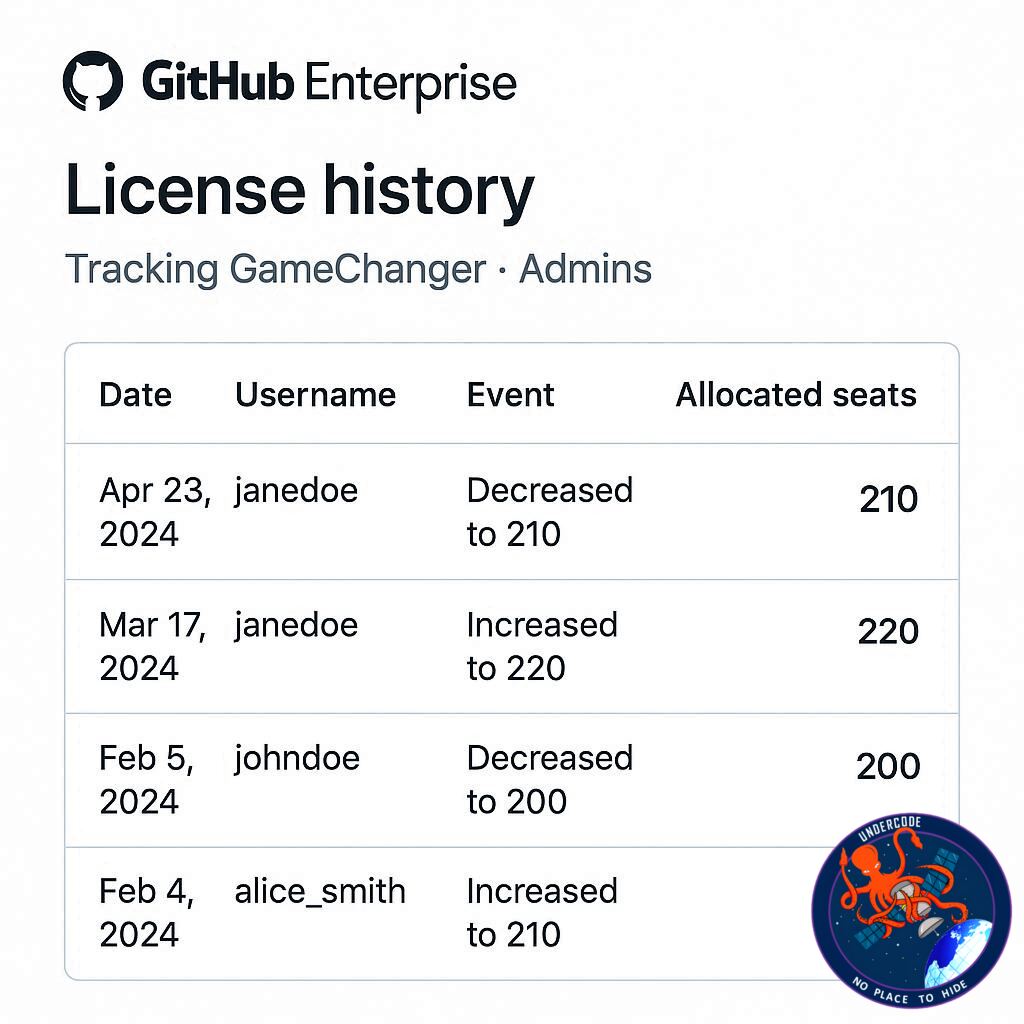
GitHub has just rolled out a public preview for its Enterprise license history tracking—a long-awaited feature designed to give admins and billing managers a clearer picture of how licenses are being used. For organizations managing large teams, understanding license consumption has always been challenging. This new feature promises transparency, control, and smarter budgeting, ensuring that companies can efficiently track and manage GitHub Enterprise licenses over time.
📊 What’s New in GitHub Enterprise License Tracking
GitHub Enterprise now allows admins to view a detailed history of license usage. This includes a daily snapshot of licenses, tracking who added or removed a license, and noting the effective date for billing purposes. With this, organizations can:
Monitor license usage trends over time.
Identify which team members or departments are consuming licenses.
Predict upcoming billing changes based on license modifications.
This tool is currently available only for metered GitHub Enterprise accounts that do not include Visual Studio bundles. Admins can access this feature by navigating to:
Enterprise > Billing and Licensing > Licensing > GitHub Enterprise Cloud > Manage.
GitHub also encourages users to share feedback through the GitHub Community, helping refine the feature further.
🔍 Key Benefits for Admins
Enhanced visibility: Track license changes daily to avoid surprises at billing time.
Improved accountability: See who is making license changes, fostering transparency.
Better planning: Understand historical trends to forecast future license needs.
What Undercode Say:
GitHub’s license tracking feature marks a significant improvement in enterprise administration. By providing granular insights into license usage, it allows companies to optimize spending and reduce waste. Historically, license management often involved cumbersome spreadsheets or manual tracking, prone to errors and oversights. This built-in tracking reduces administrative overhead and enhances compliance monitoring.
From an analytical perspective, the feature can also support strategic decision-making. For instance, companies can identify underutilized licenses and reallocate them, potentially saving thousands of dollars annually. Moreover, tracking the exact date of license changes ensures accurate monthly billing, which is crucial for budget-conscious organizations.
The introduction of a daily snapshot system means that license data is not just a snapshot in time but a historical record, enabling trend analysis. Billing managers can now answer key questions like: Are our licenses being consumed faster than anticipated? Which teams are the heaviest users? Are there seasonal spikes in usage? Such insights can influence hiring, project planning, and cost allocation.
Another important aspect is actor accountability. Knowing who added or removed a license creates a transparent audit trail, which is especially critical for large enterprises managing multiple teams. This also integrates well with GitHub’s broader enterprise tools, aligning license management with code ownership and team activity.
Furthermore, the feature’s availability in public preview indicates GitHub’s commitment to iterative improvements. User feedback collected during this phase will likely influence enhancements such as integration with Visual Studio bundles or more advanced analytics.
In terms of security, monitoring license usage helps prevent unauthorized access. Admins can quickly detect anomalies, such as unexpected license removals or additions, which could indicate mismanagement or potential internal misuse.
Overall, GitHub Enterprise license history tracking transforms license management from a reactive process to a proactive strategy, providing actionable insights that directly impact operational efficiency and cost management.
✅ Fact Checker Results
GitHub Enterprise now provides a daily snapshot of license usage. ✅
Feature is currently limited to metered accounts without Visual Studio bundles. ✅
Admins can track who added or removed licenses and the billing impact. ✅
🔮 Prediction
This new license tracking feature could become an essential tool for enterprise admins, potentially saving organizations significant costs by identifying underused licenses. Over time, we may see integration with AI-driven analytics, enabling predictive insights for license needs and automated optimization, making license management smarter and more efficient than ever before. 💡
🕵️📝✔️Let’s dive deep and fact‑check.
References:
Reported By: github.blog
Extra Source Hub:
https://www.digitaltrends.com
Wikipedia
OpenAi & Undercode AI
Image Source:
Unsplash
Undercode AI DI v2
🔐JOIN OUR CYBER WORLD [ CVE News • HackMonitor • UndercodeNews ]
📢 Follow UndercodeNews & Stay Tuned:
𝕏 formerly Twitter 🐦 | @ Threads | 🔗 Linkedin | 🦋BlueSky | 🐘Mastodon


