
Listen to this Post
Introduction
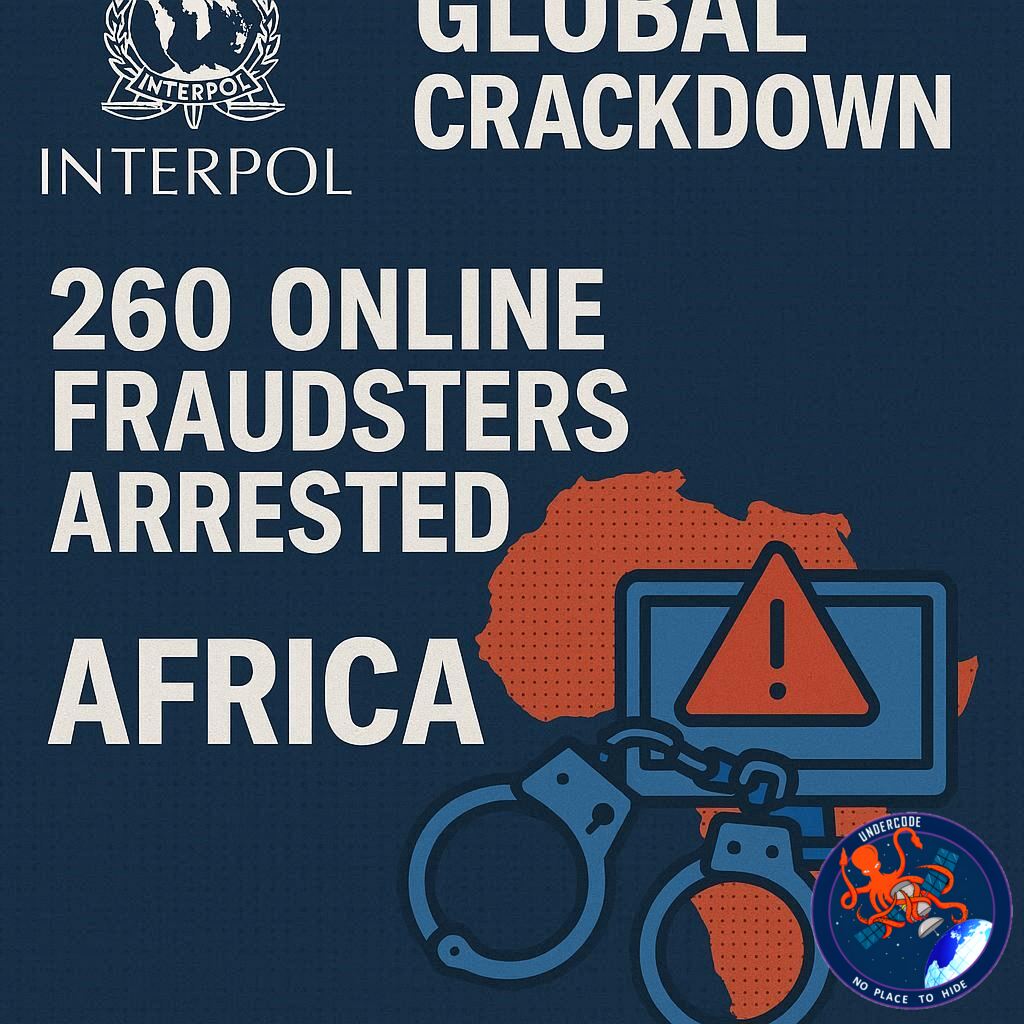
In a dramatic international operation, INTERPOL has delivered a crushing blow to cybercriminal networks spreading across Africa. The global policing body revealed that 260 individuals involved in romance scams, sextortion, and online fraud were arrested in a coordinated sweep spanning 14 nations. This crackdown, named Operation Contender 3.0, highlights the rapid rise of digital crime in Africa and the heavy toll it takes on victims worldwide. With over $2.8 million in recorded losses, 1,400 victims identified, and 1,235 electronic devices seized, the operation not only disrupted cybercriminal infrastructures but also sent a clear message that digital fraud will not go unpunished.
Full Breakdown of the Arrests and Impact
The international arrests mark a turning point in the war against online scams. INTERPOL confirmed that the crackdown dismantled 81 criminal infrastructures, shutting down websites and servers that were key to spreading fraud and laundering stolen money.
The sweep spanned 14 African countries, including Angola, Nigeria, Ghana, South Africa, Kenya, Uganda, Rwanda, Senegal, Gambia, Benin, Cote d’Ivoire, Burkina Faso, Guinea, and Zambia. Each of these nations has been grappling with rising digital crime rates, making this collaborative effort a crucial milestone.
According to INTERPOL, romance scams and sextortion remain the most common digital crimes in Africa. These crimes are devastating because they target human vulnerability, often preying on people’s emotions and trust. In many cases, victims not only suffer financial losses but also endure severe psychological trauma, shame, and embarrassment.
Recent statistics show that in two-thirds of African countries, cybercrime already accounts for a medium-to-high percentage of overall crime, with some nations reporting figures as high as 30% of all criminal activity. This staggering rise illustrates just how deeply digital fraud has embedded itself into Africa’s crime landscape.
Ghana, for example, was recently in the spotlight after its nationals were extradited to the United States for allegedly stealing over $100 million in romance fraud schemes. These cases illustrate the international reach of African cybercrime syndicates, which often target victims in wealthy nations while operating remotely from within Africa.
Sextortion, in particular, is on the rise, with 60% of African countries reporting increases in blackmail attacks where criminals threaten to leak intimate images or videos unless victims pay up. Some use stolen material, while others rely on AI-generated deepfake content to manipulate victims.
The appeal for criminals lies in the low barrier to entry: all that’s required is a smartphone or laptop, minimal technical skill, and an internet connection. Combined with the fact that many victims are too embarrassed to report these crimes, perpetrators often get away with multiple scams before being caught.
By capturing 260 suspects and dismantling cybercriminal hubs, INTERPOL’s Contender 3.0 proves that global cooperation is essential to slowing this growing wave of online crime. Yet, experts warn that enforcement alone won’t be enough—public awareness and education remain the strongest defenses.
What Undercode Say:
The significance of this crackdown goes far beyond numbers. Here are key insights:
The Emotional Factor: Romance scams and sextortion thrive because they exploit deep human emotions—loneliness, trust, and desire. Unlike traditional crimes, the wounds left behind are invisible but long-lasting. Victims are often left with both financial loss and psychological scars.
Why Africa is a Hotspot: The continent’s booming digital economy combined with limited cybersecurity infrastructure creates fertile ground for fraud. High youth unemployment also fuels cybercrime recruitment, where young people are lured into “easy money” schemes.
Low Risk, High Reward: With minimal technical skill needed, online scams offer high returns. A single scammer can target hundreds of victims globally at once, making it difficult for authorities to keep up.
Global Ripple Effect: African-based cybercrime doesn’t stay in Africa. Victims span Europe, Asia, and the Americas, making this not just a regional issue but a global security concern.
Technology as a Double-Edged Sword: While criminals leverage AI and digital tools to enhance scams, law enforcement must also adopt advanced technologies like AI-based fraud detection, blockchain tracking, and digital forensics to outpace them.
The Role of Shame and Silence: One of the biggest enablers of sextortion is victim silence. Too many victims choose not to report due to humiliation, allowing criminals to continue unchecked. Breaking this stigma is crucial to disrupting the cycle.
Lessons for the Future: Awareness campaigns, cyber-literacy education, and safe online practices must be prioritized. Enforcement may shut down operations temporarily, but only informed citizens can reduce the pool of potential victims.
In short, the arrests show progress, but they are only a battle in a much larger war against cybercrime.
✅ Fact Checker Results
260 suspects were arrested across 14 African countries.
$2.8 million in losses and 1,400 victims identified.
81 cybercriminal infrastructures dismantled.
🔮 Prediction
The fight against romance scams and sextortion is far from over. While INTERPOL’s crackdown will temporarily slow operations, criminals will adapt with more sophisticated tactics, AI-driven scams, and new social engineering techniques. In the coming years, expect a surge in deepfake-based sextortion and more cross-border collaboration among law enforcement. However, with rising awareness campaigns and stricter cybercrime laws, victims will become more informed, and reporting rates are likely to increase 📈.
🕵️📝✔️Let’s dive deep and fact‑check.
References:
Reported By: www.bitdefender.com
Extra Source Hub:
https://www.discord.com
Wikipedia
OpenAi & Undercode AI
Image Source:
Unsplash
Undercode AI DI v2
🔐JOIN OUR CYBER WORLD [ CVE News • HackMonitor • UndercodeNews ]
📢 Follow UndercodeNews & Stay Tuned:
𝕏 formerly Twitter 🐦 | @ Threads | 🔗 Linkedin | 🦋BlueSky | 🐘Mastodon


