
Listen to this Post
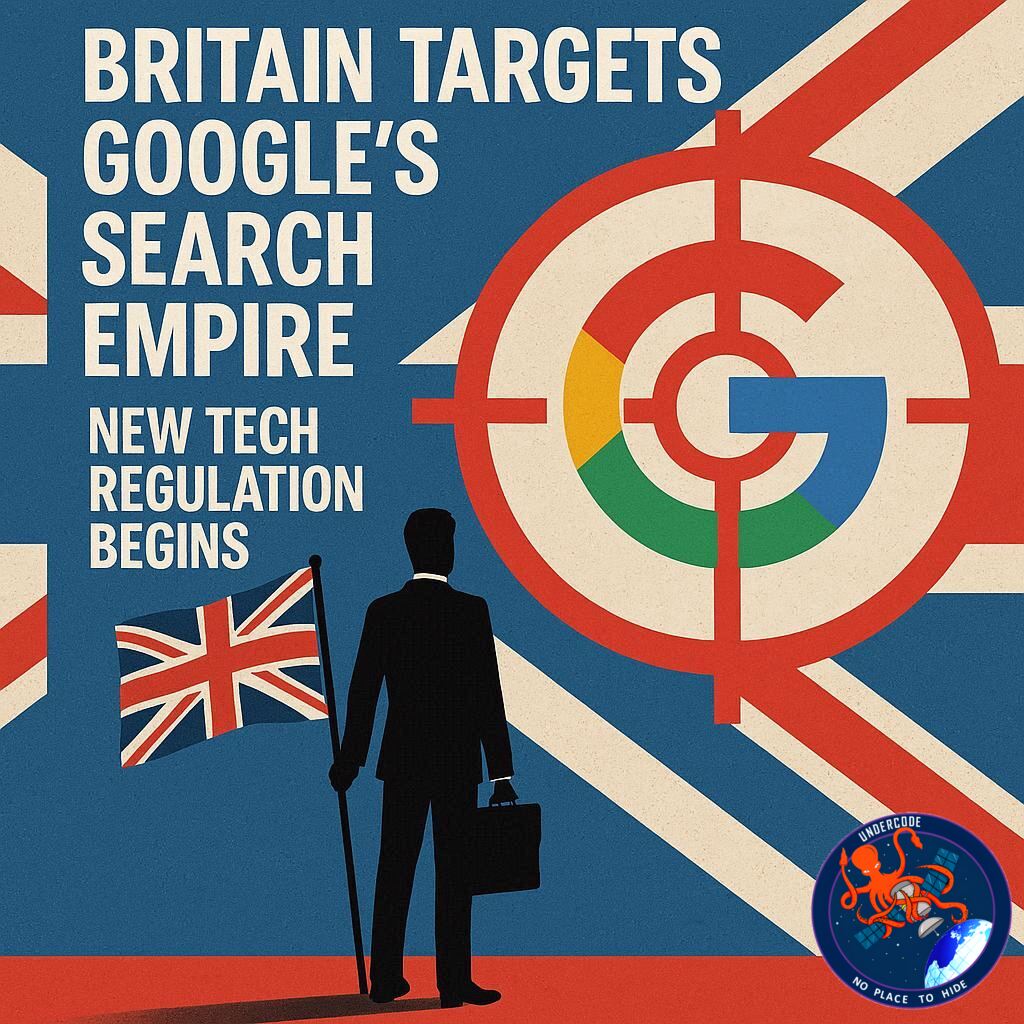
The Rising Tide Against Big Tech
In a historic regulatory move, Britain’s Competition and Markets Authority (CMA) has officially designated Google with “strategic market status” (SMS) — the first-ever application of its newly enhanced powers to rein in tech giants. The designation signals a turning point for how the United Kingdom intends to challenge Big Tech’s stronghold on digital markets.
The CMA’s findings reveal that Google commands over 90% of UK search traffic, a staggering figure that effectively grants the company control over how millions of Britons access information online. This dominance gives regulators new authority to enforce targeted interventions in Google’s operations — from how search results are displayed to the advertising structures that fuel its immense revenue.
While the move doesn’t imply that Google has committed wrongdoing, it opens the door to binding changes that could fundamentally reshape its business model in the UK. CMA Executive Director Will Hayter described Google’s market position as “substantial and entrenched,” highlighting deep-rooted barriers to competition in both search and search advertising.
The CMA will begin consultations in late 2025 to identify specific measures to restore balance in the market. This could include mandatory choice screens offering alternative search engines, transparency in ranking algorithms, and stronger rights for publishers whose content is used in AI-powered responses.
Google’s Counterargument: Innovation Under Threat
Google has responded sharply, warning that these interventions could stifle innovation and slow down Britain’s economic progress. Oliver Bethell, the company’s senior director of competition, argued that excessive regulation could delay AI-driven advancements at a crucial moment in global technological competition.
To bolster its position, Google pointed to its £5 billion investment in the UK and claimed its search services alone contributed £118 billion to the British economy in 2023. The company insists that its ecosystem supports local businesses, startups, and developers, making it an essential engine of national growth.
Google also cautioned regulators to learn from “negative outcomes” in other countries where overregulation led to reduced competition, less user choice, and slower digital development.
Reshaping the Search Experience
The CMA’s June 2025 roadmap outlines potential reforms that could directly affect how Google Search functions in Britain. These include giving users more visibility into alternative search providers, ensuring fairer treatment of competing websites, and providing publishers greater control over their content used in AI tools like AI Overviews and AI Mode.
Interestingly, Google’s Gemini AI assistant remains outside this specific designation, but the CMA made clear that it will closely monitor AI-powered search features as they evolve.
Globally, regulators in the United States and Europe are watching the UK’s approach closely. Many experts believe Britain’s decision could set a precedent for similar actions elsewhere, shaping the next phase of global tech governance.
What Undercode Say:
Market Power and the Illusion of Choice
The CMA’s decision to classify Google under the “strategic market status” framework isn’t merely symbolic — it’s a recognition that digital monopolies now function as public utilities in all but name. Google’s dominance in search gives it enormous influence over information flow, advertising ecosystems, and even media sustainability. While consumers may think they have choices, the reality is that over nine in ten searches in the UK pass through Google’s gatekeeping filters.
The Economic Dependency Dilemma
Google’s claim of contributing £118 billion to the UK economy is impressive, but it also highlights how entwined the nation’s economy has become with a single foreign corporation. This dependency mirrors concerns in other countries, where governments fear that economic reliance on Big Tech undermines both sovereignty and local innovation.
AI Regulation: A Looming Battlefront
As AI transforms how search results are presented, regulators face a new challenge: how to oversee AI-generated content without stifling progress. Tools like Google’s AI Overviews represent a paradigm shift — they not only aggregate information but reinterpret it, potentially reshaping user perception. The CMA’s intervention suggests growing unease about how AI may consolidate Google’s control even further.
Innovation vs. Accountability
Google’s defense — that regulation will hinder innovation — is a familiar argument. Yet, historical evidence often tells a different story. Regulation has, in many cases, fueled innovation by leveling the playing field. The European GDPR laws, for instance, spurred the development of new privacy technologies rather than halting them. If the CMA enforces balanced rules, Britain could emerge as a testing ground for fair AI ecosystems.
Competitive Alternatives
Search engines like DuckDuckGo, Ecosia, and Brave may stand to benefit from these reforms. However, unless the CMA addresses Google’s default search engine contracts with smartphone manufacturers and browsers, the impact might remain limited. True competition requires tackling these entrenched agreements that keep rivals on the margins.
The Broader Political Context
The UK’s decision also sends a geopolitical signal — a message that post-Brexit Britain is serious about defining its own digital regulatory standards, independent of both Brussels and Washington. This move may attract global attention and could make the UK a model for responsible tech regulation in the age of AI.
Risks of Overreach
However, regulators must tread carefully. Overly restrictive measures might discourage global tech investment, particularly at a time when AI innovation is booming. The challenge lies in balancing corporate accountability with economic vitality — a balance that few countries have achieved successfully.
The Changing Public Perception
Public sentiment toward Big Tech has shifted dramatically. What once seemed like benevolent innovation is now often viewed through the lens of monopoly power and data exploitation. The CMA’s intervention aligns with this cultural shift, reflecting a society increasingly aware of the hidden costs of convenience.
Toward a Fairer Digital Ecosystem
If implemented correctly, the CMA’s actions could redefine what “fair competition” means in the digital age. The ultimate goal is not to punish Google but to ensure that digital markets serve users, not just shareholders. This could mark the start of a more transparent, user-centric online economy.
Fact Checker Results
✅ CMA confirmed Google’s 90% dominance in UK search traffic.
✅ Google officially recognized as having “strategic market status.”
❌ No evidence that regulation will directly slow innovation — remains speculative.
Prediction
Over the next three years, Britain will likely become a global test case for AI-era antitrust enforcement. Expect gradual but impactful shifts in how search engines operate, including more user control, visible competitors, and transparent ranking systems. By 2027, the UK could stand as the world’s first country to redefine Big Tech accountability in the age of artificial intelligence.
🕵️📝✔️Let’s dive deep and fact‑check.
References:
Reported By: timesofindia.indiatimes.com
Extra Source Hub:
https://www.linkedin.com
Wikipedia
OpenAi & Undercode AI
Image Source:
Unsplash
Undercode AI DI v2
🔐JOIN OUR CYBER WORLD [ CVE News • HackMonitor • UndercodeNews ]
📢 Follow UndercodeNews & Stay Tuned:
𝕏 formerly Twitter 🐦 | @ Threads | 🔗 Linkedin | 🦋BlueSky | 🐘Mastodon


