
Listen to this Post
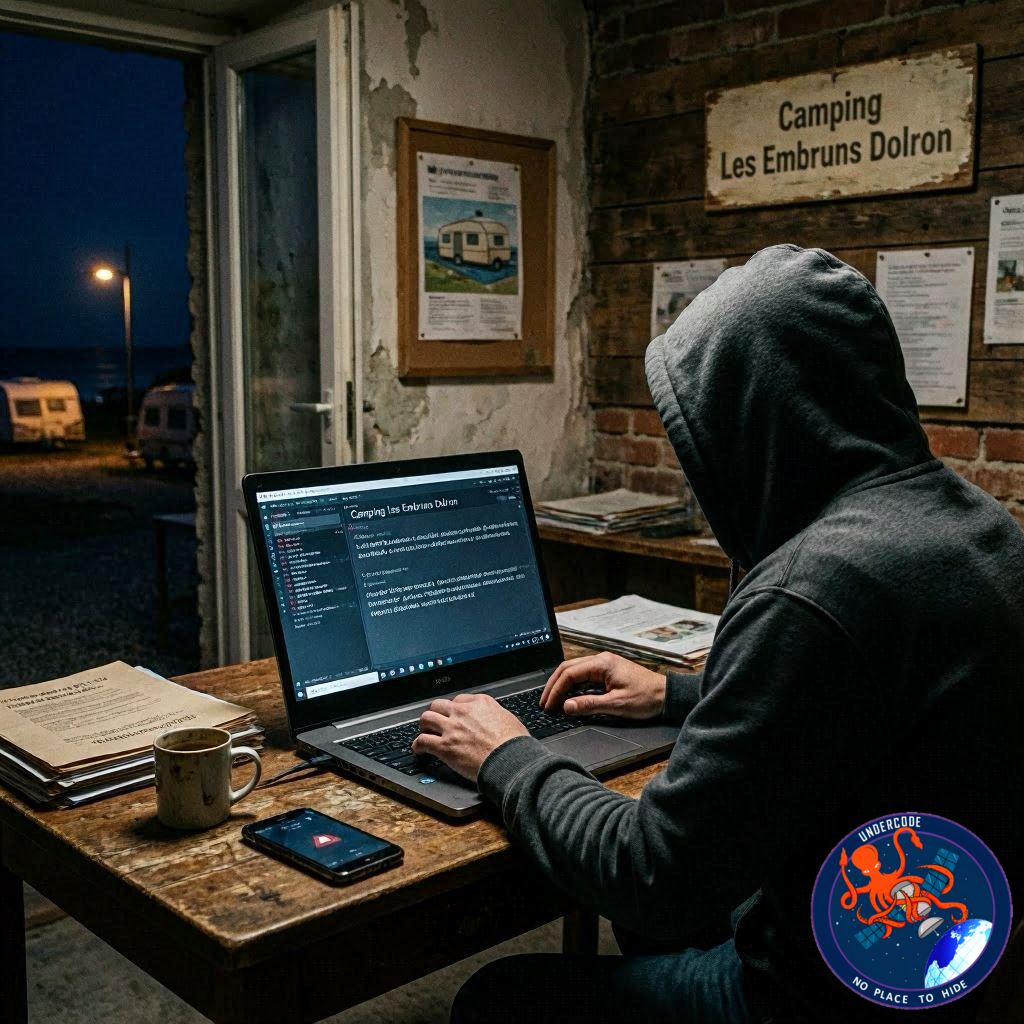
The hospitality sector in Europe is once again facing cybersecurity scrutiny after a dark web threat actor allegedly claimed responsibility for compromising the infrastructure of a French tourism-related organization. According to information shared by the cyber threat monitoring account “Dark Web Intelligence,” the target was reportedly Camping Les Embrunts d’Oléron, a regional tourism and camping operator in France.
The alleged breach highlights how small and medium-sized hospitality businesses are increasingly becoming attractive targets for cybercriminals. While large hotel chains often dominate headlines, attackers are now focusing on regional operators that may lack enterprise-grade security defenses. The claimed leak reportedly includes database contents, SQL files, server-side operational information, and references to a Windows Server environment believed to be insufficiently secured.
If verified, the incident could expose not only technical weaknesses inside the organization but also sensitive customer and operational data commonly stored by tourism businesses. Cybersecurity analysts continue to warn that the hospitality industry remains one of the most vulnerable sectors due to its dependence on online reservations, payment processing systems, seasonal staffing, and third-party integrations.
Alleged Database Leak Raises Concerns Across France’s Tourism Sector
The dark web actor behind the claim allegedly published or advertised access to several internal assets connected to Camping Les Embrunts d’Oléron. According to the shared intelligence post, the exposed materials may include:
Main database contents
SQL database exports
Hosting and server management tools
Operational server-side files
Windows Server references
The actor further claimed that the infrastructure relied on an “unsecure Windows Server PC,” a statement that aligns with common weaknesses observed in smaller hospitality environments. Many local tourism operators continue to depend on aging systems that were never designed to withstand modern ransomware campaigns or credential-based attacks.
Security researchers frequently observe weak segmentation policies in hospitality networks. In many cases, reservation systems, employee workstations, payment processing tools, and remote administration services operate on the same internal network. This significantly increases the risk of lateral movement after an initial compromise.
Remote Desktop Protocol exposure also remains a recurring problem. Attackers routinely scan the internet searching for poorly secured RDP services protected only by weak passwords or outdated authentication methods. Once inside, they can escalate privileges, exfiltrate data, and deploy persistence mechanisms without immediate detection.
Why Tourism Businesses Are Increasingly Attractive to Cybercriminals
Hospitality organizations store an enormous amount of valuable personal and operational information. Even a relatively small campground or tourism operator can maintain databases containing:
Guest reservation histories
Phone numbers and email addresses
Payment references
Passport or identity document copies
Seasonal employee records
Travel schedules and booking details
Unlike heavily regulated financial institutions, smaller tourism operators often lack dedicated cybersecurity teams or full-time security monitoring. Attackers understand this imbalance and increasingly target businesses with high data value but low defensive maturity.
Another factor making tourism organizations attractive is the heavy use of third-party booking systems. Integrations between booking engines, payment processors, customer relationship management platforms, and marketing software create multiple attack surfaces. A vulnerability in one connected service can potentially expose the entire environment.
Cybercriminals also recognize the urgency within the tourism industry. Businesses operating during peak holiday seasons are far more likely to pay ransoms or respond quickly to extortion attempts in order to avoid operational disruption and reputational damage.
Potential Risks Following the Alleged Breach
If the claims are authentic, the consequences could extend far beyond a single database exposure. Hospitality-related breaches often trigger secondary attack campaigns targeting customers and business partners alike.
Threat actors may leverage stolen information to launch phishing attacks impersonating legitimate hotels or campgrounds. Victims could receive fake booking confirmations, payment requests, or refund notifications crafted to harvest credentials or financial information.
Reservation fraud is another growing issue. Attackers sometimes manipulate booking systems or reuse leaked credentials across multiple tourism platforms. In environments where password reuse is common, one compromised account can unlock access to additional services.
The alleged exposure of server-side operational information could also present a long-term infrastructure risk. Administrative tools, hosting configurations, or internal scripts may help attackers understand the organization’s architecture and identify further weaknesses.
In some scenarios, breaches involving tourism companies can also create supply-chain risks. Business partners, travel agencies, and third-party vendors connected to the compromised infrastructure may become secondary targets for lateral movement campaigns.
What Undercode Says:
The Hospitality Industry Is Quietly Becoming a Cybercrime Hotspot
For years, cybersecurity discussions focused heavily on banks, healthcare providers, and multinational corporations. But cybercriminals have shifted strategies. Smaller hospitality businesses now represent a softer and often more profitable target class.
A regional camping operator may appear insignificant compared to a luxury international hotel chain, but attackers do not necessarily care about brand prestige. They care about accessible infrastructure, weak security practices, and monetizable data.
The mention of an allegedly insecure Windows Server environment is especially concerning because this pattern appears repeatedly across small businesses worldwide. Many operators still run outdated Windows Server editions with legacy software dependencies, delayed patch cycles, and minimal endpoint monitoring.
In numerous incidents analyzed over the past two years, attackers initially gained access through exposed remote desktop services or stolen VPN credentials. Once inside, poor segmentation allowed them to pivot across the network with little resistance.
Another overlooked issue is seasonal staffing. Hospitality businesses frequently hire temporary workers who may not receive proper cybersecurity awareness training. Shared credentials, unmanaged devices, and rushed onboarding processes create ideal conditions for credential theft and social engineering attacks.
The tourism sector also faces a unique operational challenge. Unlike traditional office environments, hospitality companies prioritize customer experience and uptime above nearly everything else. This often results in security becoming secondary to convenience.
Attackers understand this operational psychology very well.
A hotel or campground experiencing booking disruptions during peak tourist periods may face enormous financial pressure within hours. This urgency increases the likelihood of rapid ransom negotiations or rushed incident responses.
The alleged inclusion of SQL database files is another red flag. Database exports are extremely valuable on underground forums because they often contain structured customer information ready for phishing, fraud, or credential stuffing operations.
One important detail from this case is the emphasis on “publicly shared database leak.” Modern cybercrime increasingly revolves around visibility and reputation within underground communities. Threat actors are no longer quietly stealing information. They publicly showcase breaches to build credibility, intimidate victims, and attract buyers.
Smaller tourism operators are particularly vulnerable because many believe they are “too small to target.” In reality, automated scanning tools do not discriminate between multinational corporations and local campgrounds. If a vulnerable service is exposed to the internet, attackers will eventually discover it.
Organizations in the hospitality sector should also recognize that compliance alone does not equal security. Basic antivirus software and periodic backups are insufficient against modern intrusion techniques. Continuous monitoring, MFA enforcement, network isolation, and privileged access controls are now essential.
Another critical concern involves third-party ecosystems. Many hospitality businesses outsource booking management, payment processing, and customer communication systems. Every external integration expands the attack surface. A compromise affecting one vendor can cascade across multiple connected businesses.
From an intelligence perspective, dark web leak claims should always be approached cautiously until independently verified. Threat actors sometimes exaggerate the scale of breaches for notoriety or extortion leverage. However, even unverified claims can still indicate a real compromise attempt or partial intrusion.
The broader trend remains undeniable: tourism infrastructure is becoming deeply digitized while cybersecurity maturity struggles to keep pace.
As more local hospitality businesses adopt online reservations, cloud-based management tools, and remote administration systems, the number of exploitable entry points continues to rise dramatically.
Deep analysis :
Common exposed RDP detection
nmap -p 3389 --script rdp-enum-encryption target.com
Check Windows SMB vulnerabilities
nmap --script smb-vuln -p445 target.com
Search for exposed services
shodan search "port:3389 country:FR"
Detect outdated Windows Server signatures
nmap -O target.com
Audit SQL database exposure
sqlmap -u "http://target.com/index.php?id=1" --dbs
Review failed login events on Windows
Get-EventLog Security -InstanceId 4625
Monitor suspicious PowerShell activity
Get-WinEvent -LogName "Microsoft-Windows-PowerShell/Operational"
Detect privilege escalation attempts
whoami /priv
Verify backup integrity
wbadmin get versions
Fact Checker Results
🔍 No official confirmation from French authorities or Camping Les Embrunts d’Oléron has publicly verified the breach at the time of writing. ✅
🔍 The threat actor’s claims remain allegations originating from a dark web intelligence monitoring account and should be treated cautiously until independently validated. ✅
🔍 Hospitality organizations are genuinely among the most targeted sectors for ransomware, phishing, and credential theft campaigns according to multiple industry threat reports. ✅
Prediction
📊 Cybercriminal groups will increasingly target regional tourism operators across Europe because they combine valuable customer data with weaker cybersecurity defenses.
📊 More hospitality breaches will likely involve cloud booking platforms and third-party integrations rather than direct attacks against corporate headquarters.
📊 European tourism businesses may soon face stricter cybersecurity compliance requirements as governments respond to the growing number of attacks affecting customer data and travel infrastructure.
▶️ Related Video (76% Match):
🕵️📝Let’s dive deep and fact‑check.
References:
Reported By: x.com
Extra Source Hub (Possible Sources for article):
https://www.instagram.com
Wikipedia
OpenAi & Undercode AI
Image Source:
Unsplash
Undercode AI DI v2
Bing
🔐JOIN OUR CYBER WORLD [ CVE News • HackMonitor • UndercodeNews ]
📢 Follow UndercodeNews & Stay Tuned:
𝕏 formerly Twitter 🐦 | @ Threads | 🔗 Linkedin | 🦋BlueSky | 🐘Mastodon | 📺Youtube


