
Listen to this Post
Introduction
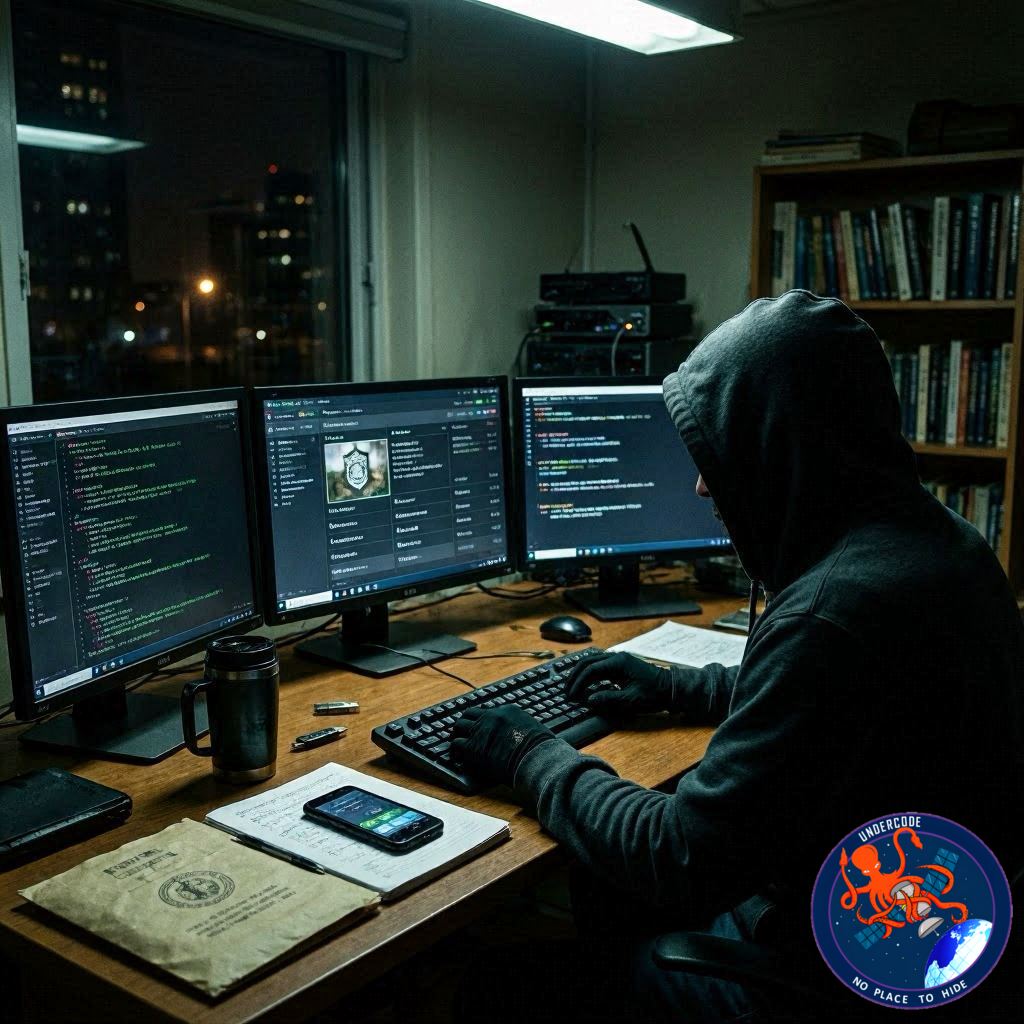
A new post circulating on the social platform X has sparked concern across cybersecurity communities after the account known as Dark Web Intelligence claimed that a military and police database was being listed for sale on the dark web. The brief post, published on May 24, 2026, immediately attracted attention from threat analysts, digital investigators, and online security researchers due to the potential sensitivity of the alleged data.
While the original post provided very limited technical details, the implications behind such a claim are severe. Military and law enforcement databases often contain highly sensitive information, including internal communications, personnel identities, operational records, surveillance data, classified documents, and infrastructure details. Even partial exposure of such information can create national security risks, facilitate espionage activities, or empower cybercriminal operations targeting governments and civilians alike.
The incident highlights a growing global trend where cybercriminal groups increasingly target government systems, police agencies, and defense institutions. Over the past few years, ransomware gangs, data brokers, and politically motivated hacking groups have shifted focus from private companies toward state-related entities, viewing them as high-value targets capable of generating attention, leverage, and financial gain.
The Viral Post That Triggered Concern
The original message posted by the account claimed that a “Military and Police Database” had been listed for sale on a dark web marketplace. Despite the lack of screenshots, technical evidence, or sample records in the public post, the wording alone was enough to generate speculation within cybersecurity circles.
Threat intelligence accounts like this often monitor underground forums, hidden marketplaces, Telegram channels, and ransomware leak sites for newly advertised databases or stolen credentials. In many cases, these posts serve as early alerts rather than confirmed forensic findings. However, they can also amplify unverified claims if no supporting evidence is later produced.
The timing of the post is also notable. Global cyberattacks against public institutions have accelerated dramatically in recent years, especially amid geopolitical tensions, regional conflicts, and expanding hacktivist campaigns. Governments are now facing attacks not only from financially motivated ransomware operators but also from politically aligned cyber groups attempting to disrupt infrastructure or leak sensitive intelligence.
Why Military and Police Databases Are Valuable Targets
Military and law enforcement systems are considered premium targets in underground cybercrime markets. Unlike ordinary corporate databases, these systems may contain information capable of supporting espionage operations, identity fraud, extortion campaigns, or physical security threats.
Attackers often seek access to:
Personnel Records and Identification Data
Databases connected to police or military organizations may include names, addresses, phone numbers, identification numbers, and employment histories of officers and soldiers. Such information can be weaponized for phishing attacks, impersonation scams, or targeted harassment campaigns.
Operational and Tactical Information
If a breach involves internal operational records, the consequences become significantly more dangerous. Tactical procedures, deployment plans, surveillance records, or intelligence reports could expose active investigations or compromise future operations.
Weapon and Equipment Inventories
Some government databases also maintain records regarding weapons, vehicles, and logistical systems. Cybercriminals or hostile groups could attempt to exploit such information for criminal or strategic purposes.
Access Credentials and Internal Systems
Even if the stolen data itself appears limited, access credentials connected to government infrastructure could provide pathways for additional attacks against secure networks.
The Expanding Role of Dark Web Markets
Dark web marketplaces have evolved into sophisticated underground economies where stolen information is traded almost like commercial products. Threat actors now advertise databases with detailed descriptions, pricing structures, and even “customer support” systems for buyers.
These marketplaces commonly sell:
Government databases
Employee credentials
Financial information
Passport scans
Surveillance records
Health data
Corporate intellectual property
Some cybercriminal groups also operate auction-based systems where exclusive datasets are sold to the highest bidder. In highly sensitive cases involving governments or military institutions, data may instead be distributed privately to avoid attracting law enforcement attention.
The Difficulty of Verifying Dark Web Claims
One of the biggest challenges in cybersecurity journalism and threat intelligence reporting is separating genuine breaches from exaggeration or fraud. Dark web sellers frequently overstate the value or authenticity of their stolen data in order to increase visibility and profit.
Some advertised databases turn out to be:
Old recycled leaks
Fake compilations
Publicly available information repackaged as “exclusive”
Partial datasets lacking sensitive material
Fabricated claims intended for publicity
Without independent forensic verification, it remains impossible to confirm whether the database mentioned in the post is authentic, recent, or even connected to a real compromise.
Government Cybersecurity Under Pressure
The alleged sale of a military or police database comes at a time when government cybersecurity defenses are facing unprecedented pressure. State institutions often operate legacy infrastructure that can become vulnerable due to outdated software, weak segmentation practices, or insufficient cyber hygiene.
Additionally, many public-sector organizations struggle with:
Limited Cybersecurity Budgets
Compared to major private corporations, some public agencies operate with slower modernization cycles and restricted funding, making rapid security improvements difficult.
Insider Threat Risks
Not all breaches originate externally. Insider access abuse remains a serious concern within both military and law enforcement environments.
Increased Nation-State Activity
Cyber operations tied to geopolitical conflicts continue targeting defense systems, intelligence agencies, and police networks worldwide.
Human Error Vulnerabilities
Phishing emails, weak passwords, and credential reuse still remain among the most common entry points for attackers.
What Undercode Says:
The Psychological Impact of Government Data Breaches
When ordinary corporate data leaks occur, the public response is often centered around financial fraud or privacy concerns. However, alleged breaches involving military and police institutions generate a completely different psychological reaction. Citizens associate these organizations with authority, national security, and state protection. Any suggestion that such systems have been compromised can rapidly undermine public confidence.
The real danger is not only the data itself, but also the perception created by the breach. Cybercriminals understand this perfectly. Even an unverified claim can produce panic, confusion, and political pressure before technical investigators have time to confirm the facts.
The Dark Web Economy Is Becoming More Strategic
Years ago, most underground cybercriminal operations focused almost entirely on financial theft. Today, the landscape has changed dramatically. Modern attackers increasingly target symbolic infrastructure because attention itself has become valuable.
Military and police databases attract buyers for multiple reasons:
Espionage opportunities
Political leverage
Blackmail potential
Identity exploitation
Intelligence gathering
Media amplification
This shift demonstrates how cybercrime is evolving from simple financial fraud into hybrid information warfare.
Governments Are Losing the Speed Race
One major issue repeatedly observed across government institutions is the gap between cybercriminal agility and bureaucratic response times. Attackers adapt quickly, automate exploitation chains, and collaborate globally. Government systems, meanwhile, often require long procurement cycles, approval processes, and fragmented security coordination.
This asymmetry creates an environment where defenders are continuously reacting instead of proactively hunting threats.
Leak Claims Often Serve Multiple Purposes
A dark web listing does not necessarily mean the seller intends to complete a transaction. Sometimes the objective is publicity. Other times the goal is intimidation, reputation building, or psychological warfare.
Threat actors know that attaching terms like “military database” or “police records” instantly increases visibility across social media platforms and cybersecurity communities.
Even if the data later proves incomplete or outdated, the narrative itself can still damage institutional credibility.
The Human Factor Remains the Weakest Link
Advanced malware and zero-day exploits receive enormous attention, but many real-world breaches still begin with simple operational mistakes:
Weak passwords
Phishing emails
Poor network segmentation
Misconfigured cloud storage
Unpatched software
Credential reuse
This reality continues to expose how cybersecurity is not purely a technical challenge but also a human discipline requiring continuous training and awareness.
Ransomware Groups Are Expanding Their Targets
Ransomware gangs are no longer focusing exclusively on corporations. Public institutions are increasingly viewed as vulnerable, high-impact targets capable of generating media attention and political urgency.
Attackers understand that governments cannot easily tolerate operational downtime involving law enforcement or military systems. This creates leverage during extortion attempts.
Intelligence Monitoring Accounts Shape Public Narratives
Accounts that specialize in monitoring dark web activity now play an influential role in shaping cybersecurity discourse online. However, their posts should be interpreted cautiously unless accompanied by verifiable technical evidence.
Rapid amplification on social media can sometimes transform unconfirmed claims into widely accepted narratives within hours.
The Globalization of Cybercrime Continues
Modern cybercriminal ecosystems are deeply international. A database stolen in one country may be sold by actors located elsewhere, hosted on infrastructure in another region, and purchased by completely unrelated groups.
This globalization makes attribution increasingly difficult and complicates law enforcement coordination efforts.
Defensive Cybersecurity Must Become Proactive
Traditional perimeter-based security models are becoming less effective against modern threat actors. Governments and institutions increasingly need:
Zero-trust architectures
Continuous monitoring systems
Threat intelligence integration
Multi-factor authentication
Behavioral analytics
Incident response simulations
Without proactive defense strategies, institutions remain vulnerable to both opportunistic and targeted attacks.
Public Transparency Matters
One of the biggest mistakes organizations make after alleged breaches is delayed communication. Silence often fuels speculation faster than verified facts can emerge.
Transparent incident disclosure, even during ongoing investigations, helps reduce misinformation and maintain public trust during cybersecurity crises.
🔍 Fact Checker Results
✅ Verified Information
The X account Dark Web Intelligence did publish a post on May 24, 2026, referencing the alleged sale of a military and police database on the dark web.
❌ Unverified Claims
There is currently no publicly available forensic evidence confirming the authenticity, origin, or scale of the alleged database being advertised.
✅ Cybersecurity Context
Government institutions worldwide have increasingly become targets for ransomware groups, espionage campaigns, and underground data marketplaces over the past several years.
📊 Prediction
Escalation of Government-Focused Cyberattacks
Cybercriminal groups will likely continue increasing attacks against government infrastructure because such breaches generate maximum visibility, political pressure, and potential strategic value.
Growth of Underground Intelligence Markets
Dark web marketplaces are expected to become even more specialized, with threat actors offering categorized government-related data, intelligence packages, and credential access services.
Increased Monitoring by Cybersecurity Agencies
As public concern around national security leaks grows, intelligence agencies and cybersecurity firms will likely intensify monitoring of underground forums, encrypted channels, and ransomware leak portals to identify emerging threats faster.
Greater Demand for Zero-Trust Security Models
The ongoing exposure of sensitive institutional data will accelerate adoption of zero-trust security frameworks across military, police, and government sectors globally.
▶️ Related Video (78% Match):
🕵️📝Let’s dive deep and fact‑check.
References:
Reported By: x.com
Extra Source Hub (Possible Sources for article):
https://www.reddit.com
Wikipedia
OpenAi & Undercode AI
Image Source:
Unsplash
Undercode AI DI v2
Bing
🔐JOIN OUR CYBER WORLD [ CVE News • HackMonitor • UndercodeNews ]
📢 Follow UndercodeNews & Stay Tuned:
𝕏 formerly Twitter 🐦 | @ Threads | 🔗 Linkedin | 🦋BlueSky | 🐘Mastodon | 📺Youtube


