
Listen to this Post
Introduction
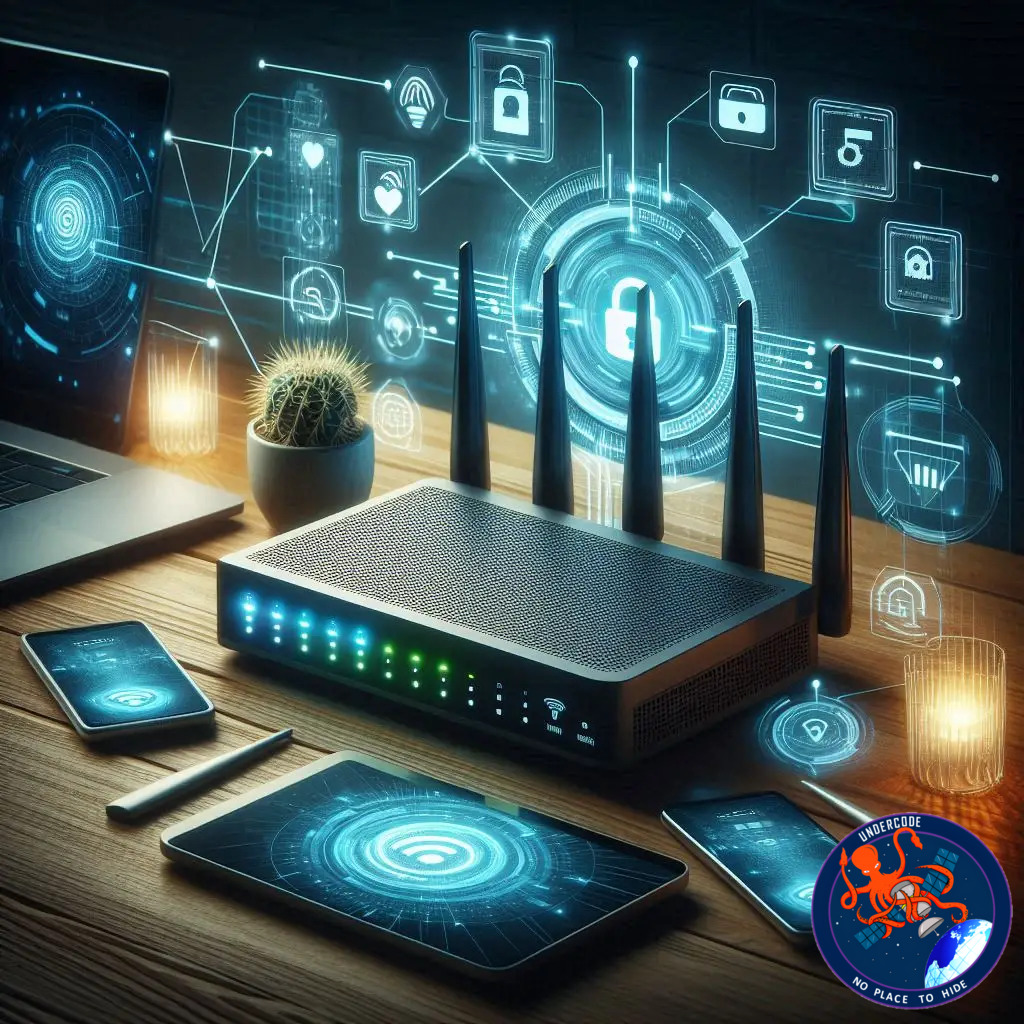
Modern digital life is built on convenience, but every tap, swipe, and click reveals a little more of who we are. Privacy is no longer an automatic right, it is a discipline we must actively maintain. Home Wi-Fi networks, once simple gateways to the internet, have become vulnerable corridors where data quietly slips away. Strengthening your privacy requires expanding your focus beyond a single device and treating your entire LAN as a unified security ecosystem. The following breakdown explores six free but powerful techniques that tighten both device-level and network-level defenses, restoring a sense of control over your digital space.
Strengthening Privacy Across Your Entire Network
Modern online privacy starts where you spend most of your digital time: inside your browser. Because this is the most targeted application on any device, it should be your first line of defense. Switching to browsers engineered for privacy such as Brave, DuckDuckGo, Tor, or Zen Browser dramatically reduces exposure. Enhanced tracking protection modes, like Strict or Custom, add yet another layer, although they may occasionally break site functionality. When that happens, selective exceptions can bring balance without sacrificing safety. Extensions such as uBlock Origin and NoScript also shield you from hidden trackers and malicious scripts that traditional browsers often overlook.
Beyond the browser, every app you use becomes part of your privacy footprint. Messaging platforms like Signal, Session, or Telegram encrypt conversations end-to-end, keeping eavesdroppers out. Email encryption with GnuPG or Proton Mail ensures messages are readable only by intended recipients. Document protection through password-secured files in tools like LibreOffice adds a practical barrier for sensitive documents. Since convenience often leads to weak passwords, adopting a password manager such as Bitwarden is essential. A LAN-hosted password vault offers the added reassurance of avoiding third-party clouds entirely.
Expanding privacy beyond individual devices means controlling how your DNS requests travel across the network. DNS over HTTPS encrypts queries and prevents ISPs or hackers from peeking into your browsing activity. While most devices support this individually, placing private DNS at the router level forces every device on the LAN to comply. Services such as Cloudflare’s 1.1.1.1 or Google DNS become the backbone of a more private online experience.
Network-level ad and tracker blocking brings another layer of sophisticated control. Tools like Pi-hole or AdGuard Home act as filters for every device, catching hidden trackers that slip through browser extensions. These systems block unwanted connections before they ever reach your phone, laptop, or smart TV. The trade-off is occasional website breakage, but carefully crafted allowlists keep essential services running smoothly.
Search engines remain a deeply underestimated privacy risk. Relying on Google means surrendering vast amounts of behavioral data. Switching to DuckDuckGo reduces this exposure, while self-hosted solutions like YaCy bring absolute autonomy by handling search queries locally and distributing results through a decentralized network.
Finally, a dedicated firewall solidifies the security perimeter of your LAN. Solutions like OPNsense, pfSense, IPFire, and VyOS offer professional-grade filtering, intrusion detection, and traffic monitoring at no cost. These systems exceed the capabilities of typical desktop firewalls by inspecting all inbound and outbound traffic across every device in your home. Whether installed on spare hardware or a virtual machine, they turn your network into a far more resilient environment.
What Undercode Say:
Privacy on a home network is not a single action, it is an architecture. Each layer compensates for weaknesses in the others. Hardened browsers reduce immediate exposure, encrypted apps protect communication, private DNS obfuscates requests, and ad-blocking servers eliminate surveillance attempts. When combined, these steps create a privacy-centric ecosystem that adapts to modern digital threats.
What makes this approach particularly powerful is its focus on the LAN itself. A device can be perfectly protected, but once traffic leaves it, the network becomes the weakest link. ISPs analyze DNS queries, advertisers track behavior across multiple devices, and malicious scripts bury themselves inside webpages. Network-level tools neutralize threats before they ever reach your devices.
The integration of a dedicated firewall pushes the architecture into enterprise-grade territory. These systems analyze patterns, filter suspicious connections, and monitor real-time behavior across all endpoints. For households filled with smart devices that rarely receive security updates, this firewall layer becomes the silent guardian preventing intrusions that would otherwise go unnoticed.
Adopting a layered privacy model also builds long-term resilience. Password managers reduce human error. Email encryption shields sensitive communication. Local search engines prevent metadata leakage. Together, they create an environment where personal information stays where it belongs, even as the external ecosystem becomes increasingly invasive.
The beauty of these methods is that they are free. They require curiosity, not subscriptions. And while there is effort involved, the result is a network that works for you rather than against you. With digital privacy fading rapidly in the modern world, these practices give individuals the power to reclaim what has quietly slipped away.
Fact Checker Results
Private DNS, browser hardening, and network-level blocking are widely recognized as effective privacy measures. ✅
Firewalls like OPNsense and pfSense are legitimate security-focused systems used in both homes and enterprises. ✅
No paid tools are required for any method listed, making all options genuinely free. ✅
Prediction
Privacy will continue shifting from optional best-practice to everyday necessity. 🔮
More ISPs will integrate encrypted DNS by default, and network-level firewalls will evolve into accessible household standards. 🔧
Within the next few years, home networks will resemble miniature secure enterprises, managed not by specialists but by everyday users. 📡
🕵️📝✔️Let’s dive deep and fact‑check.
References:
Reported By: www.zdnet.com
Extra Source Hub (Possible Sources for article):
https://www.discord.com
Wikipedia
OpenAi & Undercode AI
Image Source:
Unsplash
Undercode AI DI v2
Bing
🔐JOIN OUR CYBER WORLD [ CVE News • HackMonitor • UndercodeNews ]
📢 Follow UndercodeNews & Stay Tuned:
𝕏 formerly Twitter 🐦 | @ Threads | 🔗 Linkedin | 🦋BlueSky | 🐘Mastodon


