
Listen to this Post
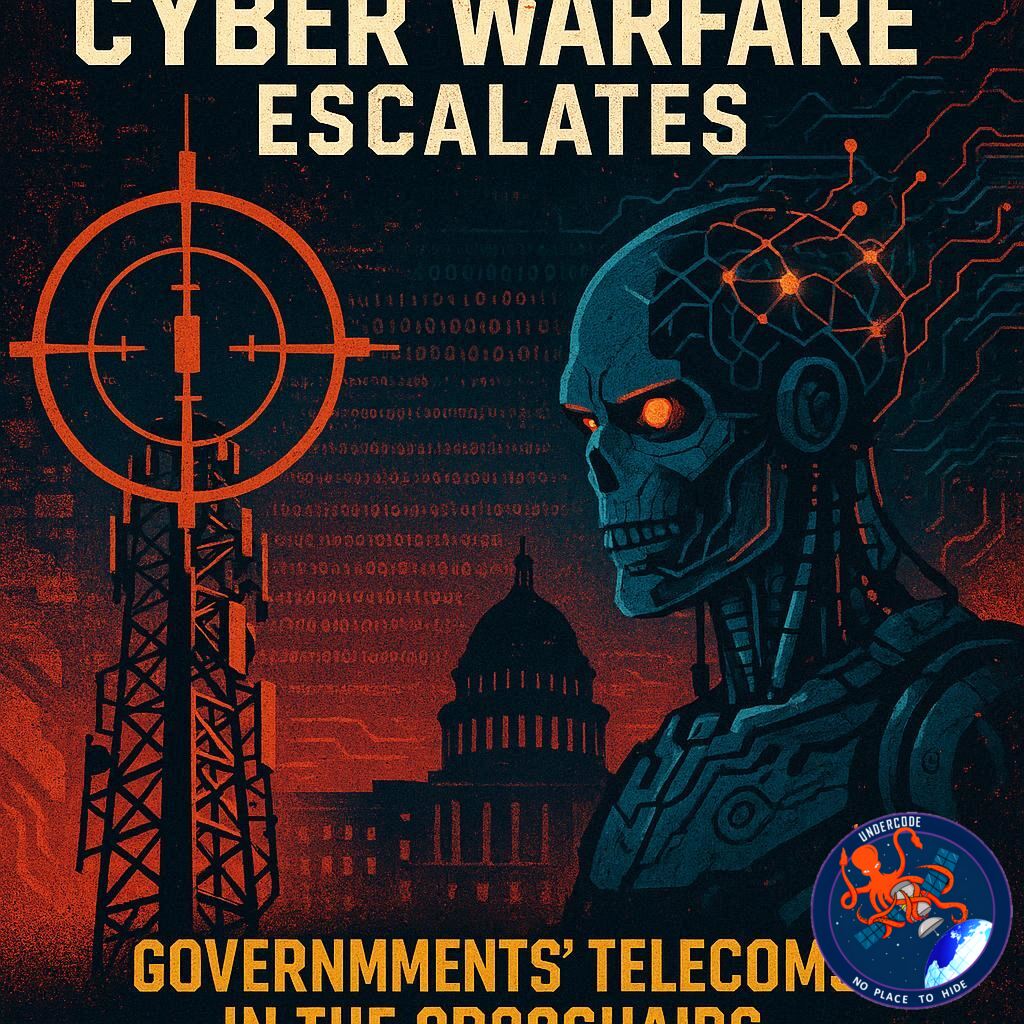
The digital battlefield is heating up in 2026 as nation-state cyber operations evolve at an alarming pace. AI-driven attacks are now targeting critical infrastructure, from government systems to telecom networks and cloud platforms, exploiting software vulnerabilities with unprecedented speed. Geopolitical tensions are amplifying the stakes, turning cyberspace into a theater of conflict where the boundaries between espionage, sabotage, and warfare are increasingly blurred.
Rising Threats in the AI Cyber Era
According to recent reports, the intensity of cyber warfare has surged, with state-backed hackers deploying sophisticated AI algorithms to identify and exploit weaknesses in global digital infrastructure. Governments, telecom providers, and cloud service companies are experiencing unprecedented attack volumes, ranging from ransomware campaigns to advanced persistent threats (APTs). Analysts note that the exploitation of software flaws is no longer opportunistic but a deliberate strategy aligned with national security objectives.
Vulnerabilities in Critical Infrastructure
Telecom networks and cloud platforms are particularly vulnerable due to their interconnected nature and reliance on legacy systems. Cyber attackers are leveraging AI to automate intrusion detection evasion, simulate user behavior, and launch adaptive attacks that evolve in real time. This has created a challenging environment for cybersecurity teams, as traditional defense mechanisms struggle to keep pace with these intelligent threats.
Geopolitical Drivers of Cyber Conflict
Tensions between major global powers are fueling this digital arms race. Nation-states are not only defending against attacks but also actively developing offensive AI capabilities to gain strategic advantages. These operations often occur in the shadows, making attribution difficult and raising the risk of escalation into broader conflicts. Experts warn that the combination of geopolitical rivalry and advanced cyber tools could destabilize international relations if left unchecked.
Economic and Social Implications
The economic fallout from AI-driven cyber warfare is already being felt. Disruptions in cloud services, telecom networks, and government operations can lead to significant financial losses, erode public trust, and impact essential services. Small and medium enterprises (SMEs) are particularly exposed, as they often lack the resources to implement advanced cybersecurity measures. The societal impact is also considerable, as public services, healthcare systems, and communication channels become potential targets.
AI as a Double-Edged Sword
While AI is being weaponized, it also offers defensive potential. Cybersecurity firms are deploying AI for threat detection, anomaly analysis, and rapid incident response. However, the same technologies are available to attackers, creating a high-stakes arms race where speed, adaptability, and intelligence determine outcomes.
The Role of International Cooperation
Cybersecurity experts emphasize that international collaboration is crucial to mitigate these threats. Sharing intelligence, establishing norms for responsible AI use in cyber operations, and coordinated defensive strategies could reduce risks. Without such cooperation, the digital domain risks becoming a lawless battleground where civilian infrastructure is continually exposed to sophisticated attacks.
What Undercode Says:
Escalation of Nation-State Cyber Operations
The trend of AI-driven cyber attacks indicates that nation-states are treating cyberspace as an active battlefield. Governments need to treat cyber defense not as a peripheral concern but as a central component of national security planning.
AI’s Dual Role in Cybersecurity
AI is simultaneously the greatest threat and the most powerful defense tool. Attackers use it for automated, adaptive breaches, while defenders must leverage AI for real-time monitoring and mitigation. Balancing these dynamics is critical for national security strategies.
Telecom and Cloud Vulnerabilities
Interconnected infrastructure, especially telecom and cloud platforms, is a prime target. Legacy systems and insufficient patch management make these sectors susceptible to sophisticated attacks, highlighting the need for proactive security investment.
Economic and Public Trust Risks
Cyber disruptions directly impact economies and public confidence. Repeated attacks erode trust in essential services, emphasizing the importance of transparent incident reporting and rapid remediation strategies.
Geopolitical Implications
AI-enabled cyber operations complicate global diplomacy. Misattribution or escalation could lead to conflicts beyond cyberspace, necessitating robust international frameworks to manage cyber risk.
Necessity of Collaboration
Shared threat intelligence and international norms are no longer optional—they are essential. Cooperation between governments, private sector actors, and global organizations could create a more resilient digital ecosystem.
Strategic Recommendations
Organizations must adopt AI-powered defense systems, implement rigorous patch management, conduct regular cyber audits, and train personnel for advanced threat scenarios. These steps are vital to stay ahead of adaptive attackers.
Future Trends in Cyber Warfare
We can expect AI-driven attacks to become more targeted, leveraging deep learning and behavioral analysis to bypass conventional security measures. The arms race between attackers and defenders will define the next decade of cyber strategy.
🔍 Fact Checker Results:
✅ AI-driven attacks on governments, telecoms, and cloud platforms are confirmed by multiple cybersecurity reports.
✅ Exploited software vulnerabilities are a primary vector for nation-state attacks in 2026.
✅ Geopolitical tensions are a documented driver of increased cyber warfare activity.
📊 Prediction:
The coming year will likely see AI-enabled cyber attacks intensify, targeting both public and private sector infrastructure. Organizations that fail to adopt AI-driven defenses may face severe operational disruptions and financial losses. International cooperation frameworks could emerge, but enforcement will remain a challenge, making proactive defense the most reliable strategy for nations and corporations alike.
🕵️📝✔️Let’s dive deep and fact‑check.
References:
Reported By: x.com
Extra Source Hub (Possible Sources for article):
https://www.facebook.com
Wikipedia
OpenAi & Undercode AI
Image Source:
Unsplash
Undercode AI DI v2
Bing
🔐JOIN OUR CYBER WORLD [ CVE News • HackMonitor • UndercodeNews ]
📢 Follow UndercodeNews & Stay Tuned:
𝕏 formerly Twitter 🐦 | @ Threads | 🔗 Linkedin | 🦋BlueSky | 🐘Mastodon


