
Listen to this Post
Introduction: Apple Music Finally Feels Complete on iPhone
With iOS 26, Apple Music quietly delivers one of its most meaningful upgrades in years. Instead of chasing gimmicks, Apple focused on how people actually listen to music day to day—when their phone is locked, when their library gets messy, and when favorite tracks are buried under endless scrolling. The result is a set of refinements that don’t just look good, but fundamentally improve usability. Three features in particular stand out, and together they make Apple Music feel more personal, more visual, and far easier to manage.
the Original
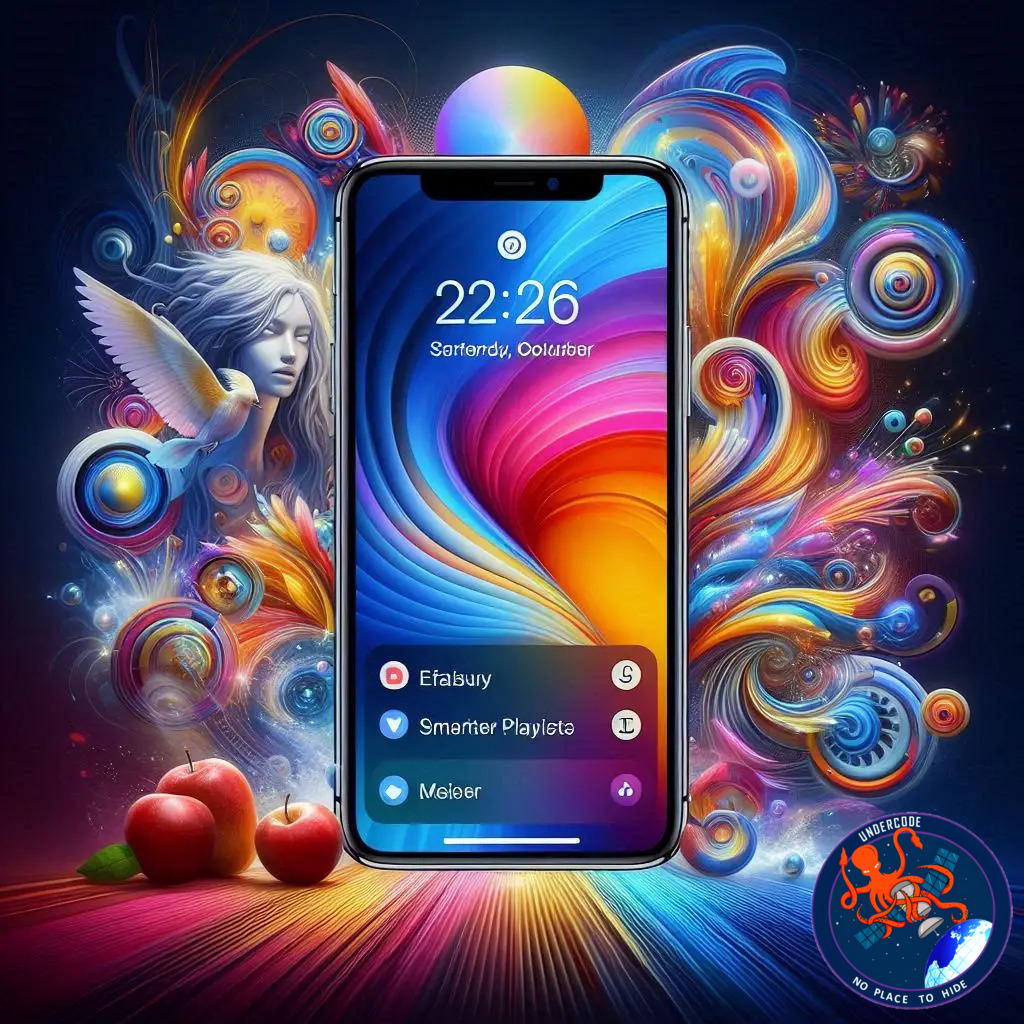
Apple Music in iOS 26 introduces several new features, but three quickly rise above the rest as everyday favorites. First is fullscreen animated album and playlist artwork on the Lock Screen. Apple has used animated art for years inside the Music app, but iOS 26 finally extends this experience to the Lock Screen itself. This means users can enjoy vibrant, edge-to-edge visuals even when the app isn’t open. The feature shines most on iPhones with an always-on display, where artwork remains visible and springs to life when the screen wakes. While not every album or playlist supports animation, the fullscreen presentation alone adds a premium feel.
The second major addition is full playlist folder management on iPhone and iPad. Previously, organizing playlists into folders was a leftover iTunes-era feature restricted to macOS. Users who relied mainly on mobile devices were forced to live with clutter or use a Mac just to stay organized. iOS 26 removes that limitation, allowing users to create folders, move playlists, and manage their music library directly from iPhone or iPad. For users with large or carefully curated libraries, this is a long-overdue fix.
The third standout feature is pinned music within the Library tab. Users can now pin up to six albums, playlists, artists, or songs to the top of their library for instant access. For those who primarily navigate Apple Music through the Library tab, this change is transformative. Pins reduce friction and make frequently played content instantly available. Although the six-pin limit feels restrictive—especially compared to other Apple apps—the feature quickly becomes indispensable. Together, these updates elevate Apple Music’s daily experience and reinforce its value at a monthly price of $10.99 USD, either standalone or as part of the Apple One bundle.
What Undercode Say:
Why iOS 26 Signals a Strategic Shift for Apple Music
Apple Music’s iOS 26 update is less about flashy innovation and more about maturity. Apple is clearly listening to long-term users who prioritize efficiency, organization, and aesthetics over algorithmic discovery. The fullscreen Lock Screen artwork isn’t just eye candy—it reframes music as a visual experience even when the device is idle. In an era where lock screens are becoming customizable information hubs, Apple Music now earns its place front and center.
Playlist folders on iPhone and iPad are arguably the most important functional update. This feature removes a long-standing friction point that contradicted Apple’s “post-PC” philosophy. Requiring a Mac to manage something as basic as playlist folders felt outdated and exclusionary. By bringing full folder control to mobile devices, Apple acknowledges that the iPhone is now the primary computer for millions of users. This change alone makes Apple Music far more appealing to power users and collectors.
Pinned music, meanwhile, reflects Apple’s growing emphasis on personalization without overwhelming complexity. Pins don’t rely on algorithms or AI guesses; they put control back in the user’s hands. This is especially important as streaming libraries grow larger and more chaotic. The ability to override default navigation habits and surface what matters most is subtle but powerful. The six-item limit, however, feels unnecessarily conservative and may frustrate heavy users over time.
From a competitive standpoint, these updates help Apple Music close experiential gaps with rivals like Spotify, particularly in library management and visual presentation. While Apple still trails in social and discovery features, iOS 26 reinforces its strengths: polish, integration, and user-first design. Apple Music isn’t reinventing streaming—but it is refining it in ways that reward loyalty and daily use.
Fact Checker Results
The iOS 26 features described—fullscreen Lock Screen artwork, mobile playlist folder management, and pinned music—are accurately represented. Pricing for Apple Music at $10.99 USD per month for individuals is correct. No misleading claims or exaggerated functionality were identified.
Prediction
If Apple expands pinned music limits and increases animated artwork coverage, Apple Music could see higher engagement among long-term subscribers. iOS 26 suggests future updates will prioritize control and personalization over aggressive social features. Apple Music is likely positioning itself as the “premium, organized” alternative in the streaming wars rather than the most social platform.
🕵️📝✔️Let’s dive deep and fact‑check.
References:
Reported By: 9to5mac.com
Extra Source Hub (Possible Sources for article):
https://www.digitaltrends.com
Wikipedia
OpenAi & Undercode AI
Image Source:
Unsplash
Undercode AI DI v2
Bing
🔐JOIN OUR CYBER WORLD [ CVE News • HackMonitor • UndercodeNews ]
📢 Follow UndercodeNews & Stay Tuned:
𝕏 formerly Twitter 🐦 | @ Threads | 🔗 Linkedin | 🦋BlueSky | 🐘Mastodon


