
Listen to this Post
Introduction
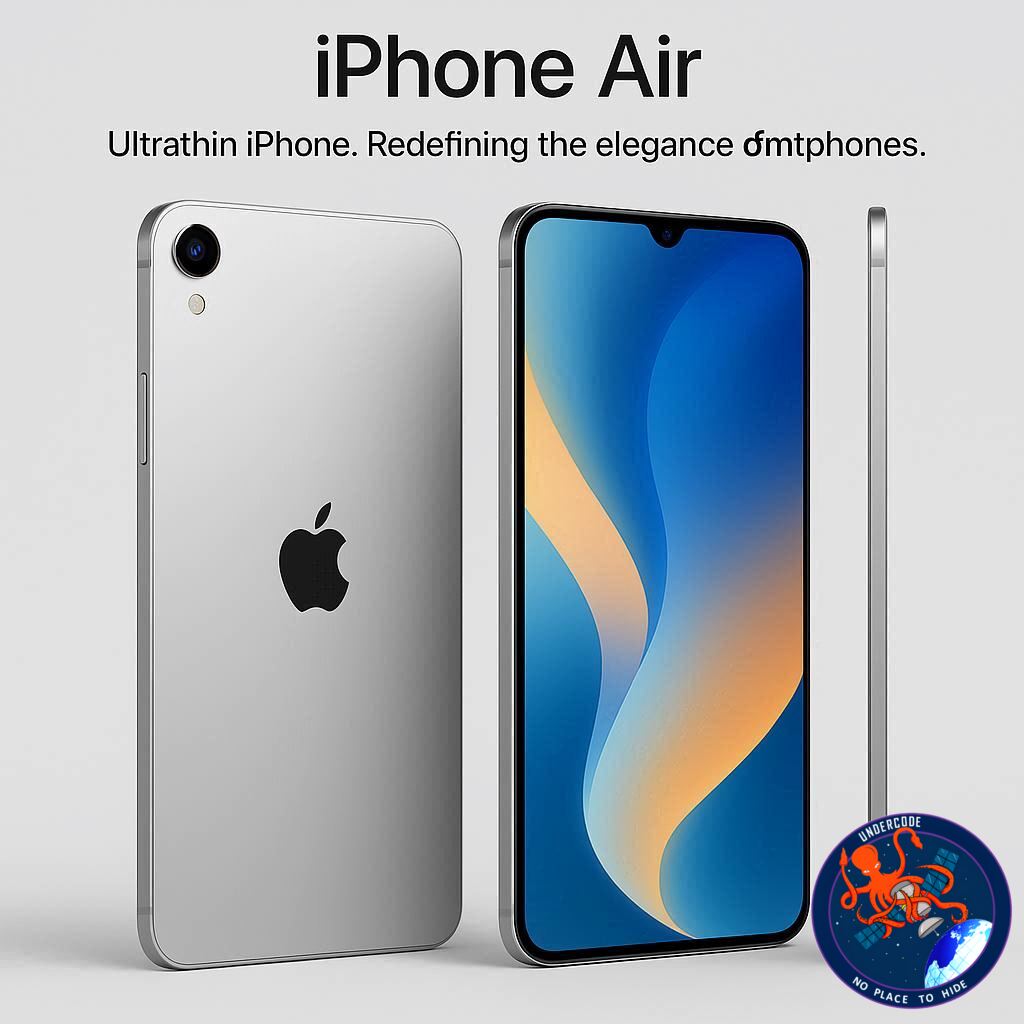
Apple’s 2025 “Awe Dropping” event has sent shockwaves through the tech world with the unveiling of the iPhone Air, the company’s boldest design yet. At just 5.6 mm thin and weighing 165 grams, the device is celebrated as the “thinnest iPhone ever.” This launch not only highlights Apple’s relentless pursuit of minimalism and elegance but also cements its dominance in the ecosystem game with the simultaneous release of the iPhone 17 lineup, Apple Watch Series 11, Ultra 3, SE 3, and AirPods Pro 3.
The star of the event, the iPhone Air, generated widespread global buzz—trending on social media, debated on tech forums, and praised by industry leaders. Among them was OpenAI CEO Sam Altman, who openly admitted that this was the first iPhone upgrade in years he felt genuinely excited about. Apple’s announcement is more than just a product launch; it’s a cultural statement on how the company continues to influence design, technology, and even the perspectives of innovators in adjacent industries like AI.
the Original
Apple’s 2025 “Awe Dropping” event unveiled the long-awaited iPhone Air, a revolutionary model that redefines smartphone design with its impossibly thin 5.6 mm frame and lightweight build of 165 grams. Marketed as Apple’s sleekest creation yet, the iPhone Air blends futuristic aesthetics with durability, thanks to its aerospace-grade aluminum frame and reinforced glass.
The event also showcased other major products: iPhone 17 and 17 Pro, Apple Watch Series 11, Apple Watch Ultra 3, Apple Watch SE 3, and AirPods Pro 3, reinforcing Apple’s strategy of creating a deeply interconnected ecosystem.
OpenAI’s Sam Altman praised the iPhone Air in a post on X, calling it the first iPhone upgrade in years he truly desired. His endorsement, amplified across social media, fueled discussions about Apple’s design philosophy and the balance between innovation and usability.
The iPhone Air features a 6.5-inch ProMotion display, lightweight titanium-aluminum construction, and an advanced camera system with 28mm and 35mm lenses offering four focal lengths. Its front-facing camera includes Center Stage, aligning with features from the iPhone 17 series.
Accessories include ultra-thin cases in frost and shadow finishes, a lightweight bumper, and even a cross-body strap for portability. The iPhone Air is available in black, white, light gold, and light blue. Pricing begins at \$999 in the U.S. (₹88,120 approx.), with Indian pricing set at ₹1,19,900. Pre-orders opened on September 12, with sales commencing on September 26.
Apple emphasized how the Air integrates seamlessly into its ecosystem, connecting with devices like Apple Watch Series 11 and AirPods Pro 3 while supporting features such as Handoff, Universal Control, and Continuity Camera.
The launch has sparked lively online debates. Some hailed its futuristic design and portability, while others questioned durability, camera performance, and whether the iPhone 17 Pro offers better long-term value.
What Undercode Say:
The unveiling of the iPhone Air is more than just a routine Apple launch—it signals a strategic repositioning of the company’s innovation narrative. For years, Apple has been criticized for incremental updates, but the Air breaks away from that perception, becoming a symbol of renewed excitement for both casual users and industry insiders like Sam Altman.
Redefining Design Standards
The 5.6 mm thickness is not just a gimmick. Apple is staking its brand on form factor leadership, emphasizing minimalism without abandoning durability. This move is crucial in a market where consumers crave both style and practicality. By combining lightweight materials with premium engineering, Apple is attempting to dominate the conversation around aesthetic innovation in smartphones.
Ecosystem as Apple’s True Superpower
While the Air steals headlines, Apple’s real strategy lies in ecosystem stickiness. The seamless integration across iPhones, Watches, AirPods, and MacBooks transforms devices into an interconnected lifestyle rather than isolated gadgets. The message is clear: buying an iPhone Air isn’t just about owning a thin phone—it’s about being locked into a frictionless Apple world where switching to competitors feels inconvenient.
Competitive Implications
Competitors like Samsung, Google, and OnePlus will be forced to respond. If they focus only on specs, they risk losing ground in the experience-first narrative Apple has mastered. Apple is shifting the battlefield from raw hardware to holistic user experience, where features like Universal Control and Handoff overshadow marginal spec differences.
Social Validation from Tech Leaders
Sam Altman’s endorsement is no small detail. In an era where AI drives consumer expectations, the fact that one of AI’s leading figures praises the Air validates Apple’s relevance in the broader tech ecosystem. This cross-industry respect strengthens Apple’s brand image as not just a phone company, but a cultural innovator.
Risks and Criticism
However, the Air also raises concerns. At 5.6 mm, durability questions are unavoidable. Bend tests and drop resistance will determine whether Apple sacrificed practicality for aesthetics. Additionally, pricing at \$999 puts it squarely in the premium bracket, meaning Apple risks alienating budget-conscious markets where durability is often more valued than thinness.
The Consumer Perspective
For buyers, the dilemma is clear:
Choose the iPhone Air for design, portability, and futuristic appeal.
Or go with the iPhone 17 Pro for performance, camera superiority, and durability confidence.
This split could help Apple capture both market segments, but it also risks creating brand confusion if the Air fails to deliver in real-world durability tests.
Final Thought
The iPhone Air represents a reset button for Apple’s innovation narrative. By daring to redefine design while keeping its ecosystem unbeatable, Apple has once again placed itself at the center of both tech conversations and cultural trends.
🔍 Fact Checker Results
✅ The iPhone Air is officially Apple’s thinnest iPhone at 5.6 mm.
✅ Sam Altman publicly praised the iPhone Air on X, confirming authenticity.
❌ Durability claims remain untested until consumer reviews and independent tests are released.
📊 Prediction
The iPhone Air will likely ignite a new design race among smartphone makers, with rivals rushing to produce thinner, lighter flagships. While Apple will dominate the short-term buzz, real-world feedback on durability and usability will determine if the Air becomes a classic or a cautionary tale. Within two years, expect Apple to refine the Air with structural reinforcements while doubling down on ecosystem features to maintain its competitive edge.
🕵️📝✔️Let’s dive deep and fact‑check.
References:
Reported By: timesofindia.indiatimes.com
Extra Source Hub:
https://www.quora.com
Wikipedia
OpenAi & Undercode AI
Image Source:
Unsplash
Undercode AI DI v2
🔐JOIN OUR CYBER WORLD [ CVE News • HackMonitor • UndercodeNews ]
📢 Follow UndercodeNews & Stay Tuned:
𝕏 formerly Twitter 🐦 | @ Threads | 🔗 Linkedin | 🦋BlueSky | 🐘Mastodon


