
Listen to this Post
Introduction
Cloud-native applications have revolutionized the way enterprises build, deploy, and scale digital services. With containers, Kubernetes, and serverless technologies becoming the backbone of modern IT, businesses are innovating faster than ever. But this rapid evolution also brings new and complex security challenges. Traditional models, designed for static environments, are struggling to keep up with the dynamic, ephemeral nature of today’s cloud workloads.
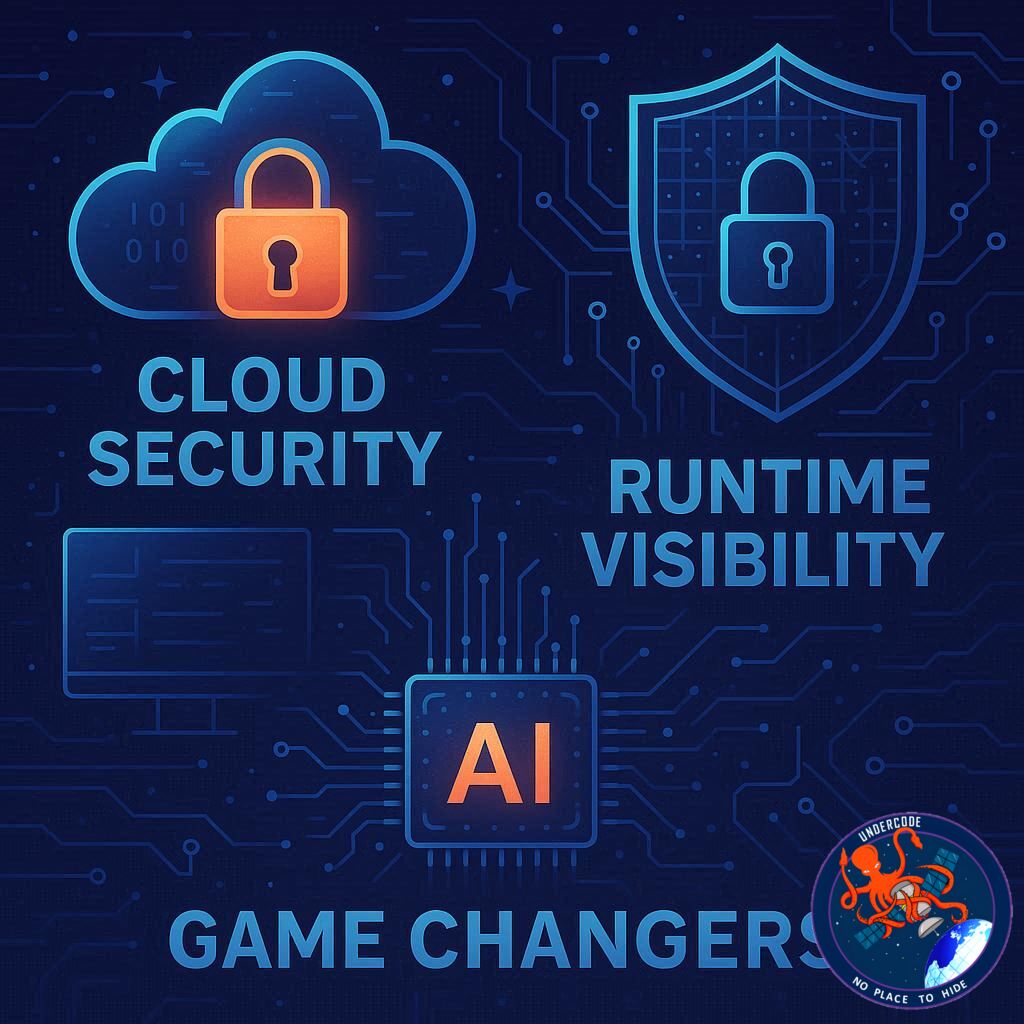
The rise of Cloud-Native Application Protection Platforms (CNAPPs) signals a shift in how organizations secure their systems. These platforms consolidate monitoring, compliance, and response into a single ecosystem. Yet, in 2025, one capability stands out as absolutely critical: runtime visibility. This article explores how runtime-powered insights, artificial intelligence, and platform unification are shaping the future of cloud security.
The Transformation of Cloud Security
The security landscape is undergoing a major shift as enterprises move to cloud-native architectures. Containers and Kubernetes now dominate, powering applications that scale rapidly across hybrid and multi-cloud environments. While this agility fuels innovation, it also expands the attack surface, creating opportunities for cybercriminals.
Security teams are faced with daunting complexity: sprawling infrastructure, endless alerts, and rapidly changing workloads. The challenge is no longer just about identifying risks but about understanding which risks truly matter in real time.
Runtime: The New Core of Protection
For years, preventative tools such as code scans and configuration audits were seen as the backbone of cloud security. While still important, these methods only reveal theoretical risks. Runtime visibility changes the game by showing how workloads behave in live production.
Key runtime questions include:
Is the vulnerability actually exploitable in a live environment?
Does the misconfiguration create an active attack path?
Is the workload under real-time exploitation?
With runtime intelligence, teams move from chasing false positives to prioritizing real threats, saving valuable time and reducing exposure.
From Noise to Prioritization
Modern security teams are drowning in alerts. Vulnerability scanners, posture tools, and monitoring platforms flood SOCs with notifications — most of which never lead to real attacks. Runtime-powered prioritization ensures that alerts map directly to:
The workloads currently running.
The applications they impact.
The teams responsible for fixing them.
This alignment bridges the gap between developers and security professionals, ensuring that the right people address the right problems, without unnecessary friction.
AI as the Security Force Multiplier
Even with better prioritization, human teams can’t keep pace with the complexity of today’s cloud environments. AI is stepping in as the ultimate force multiplier. By analyzing massive amounts of data at machine speed, AI can:
Correlate events across logs, workloads, and network traffic to detect hidden attack campaigns.
Reduce false positives by distinguishing real threats from noise.
Suggest or even automate remediation steps in safe scenarios.
Platforms like Sysdig Sage™ demonstrate how AI-driven reasoning shortens detection times and accelerates response, empowering security teams to stay ahead of attackers.
Accountability Through Context
Security findings are meaningless without accountability. A common problem in large organizations is the disconnect between vulnerability discovery and ownership. Runtime-linked insights provide clarity, mapping risks back to source code and the teams responsible for it.
This approach ensures that fixing vulnerabilities becomes a shared responsibility rather than a siloed burden. Integrations, like Sysdig’s collaboration with Semgrep, further streamline the process by linking runtime issues directly to the source code that introduced them.
Why Consolidation Matters
In the early days of cloud, enterprises adopted multiple point solutions for different security needs. Over time, this fragmentation has become a liability. Duplicate findings, tool sprawl, and lack of unified context increase risk instead of reducing it.
CNAPPs address this problem by consolidating vulnerability management, posture control, and incident response into one unified platform. This reduces operational overhead while giving teams a single source of truth for cloud risk.
Looking Ahead: The Next Era of Cloud Security
The growth of containers is unstoppable — soon, they will power half of all enterprise applications. With this growth, security teams must evolve their strategies to match the speed of business. The future will be defined by three priorities:
- Runtime-powered visibility to eliminate noise and spotlight real threats.
- AI-driven intelligence to triage, prioritize, and respond at scale.
- Unified CNAPP platforms to replace fragmented tools with holistic, contextualized protection.
Organizations that embrace this model will reduce risk exposure, improve collaboration, and maintain agility. Those that cling to outdated, siloed tools risk falling behind.
What Undercode Say:
The article reflects a broader truth: security can no longer be an afterthought in cloud-native environments. Undercode’s perspective highlights several critical insights:
Runtime as the ultimate filter: Security without runtime context is like navigating blindfolded. Undercode emphasizes that true risk prioritization depends on knowing what’s actually happening in production.
AI as the new ally: As attacks become more complex, automation and AI are not optional but necessary. These technologies will define how SOCs operate in the next five years.
Collaboration between teams: Security findings that don’t map to ownership are wasted effort. The key lies in building seamless pipelines that connect vulnerabilities to accountable teams.
Consolidation as survival: Tool sprawl is unsustainable. Enterprises that fail to consolidate risk drowning in noise, complexity, and inefficiency.
From Undercode’s lens, the shift is not just technological but cultural: developers, security teams, and operations must move from reactive firefighting to proactive collaboration. Organizations that master this alignment will lead the next wave of cloud transformation.
Fact Checker Results ✅❌
✅ Fact: Runtime visibility is now considered a core component of CNAPPs by major analysts.
✅ Fact: AI adoption in cloud security is accelerating, with proven results in reducing alert fatigue.
❌ Myth: AI will replace security teams — in reality, it complements human expertise rather than replacing it.
Prediction 🔮
By 2030, runtime-driven CNAPPs powered by AI will dominate enterprise cloud security strategies. Point tools will become obsolete, replaced by unified platforms offering real-time context, automated prioritization, and collaborative workflows. Enterprises that invest early will not only reduce breaches but also unlock faster innovation without compromising trust.
🕵️📝✔️Let’s dive deep and fact‑check.
References:
Reported By: thehackernews.com
Extra Source Hub:
https://www.stackexchange.com
Wikipedia
OpenAi & Undercode AI
Image Source:
Unsplash
Undercode AI DI v2
🔐JOIN OUR CYBER WORLD [ CVE News • HackMonitor • UndercodeNews ]
📢 Follow UndercodeNews & Stay Tuned:
𝕏 formerly Twitter 🐦 | @ Threads | 🔗 Linkedin | 🦋BlueSky | 🐘Mastodon


