
Listen to this Post
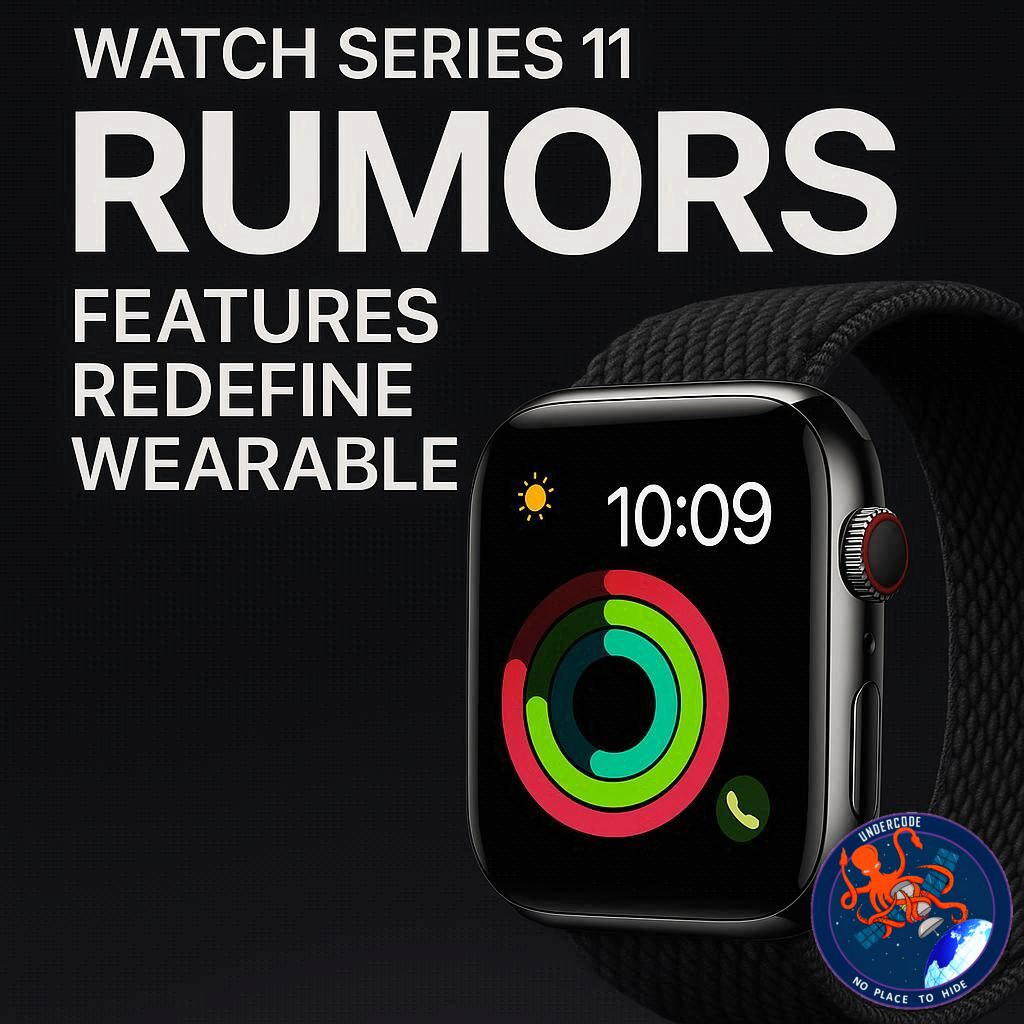
Apple is once again at the center of the tech world as its highly anticipated “Awe-dropping” event approaches. Alongside the unveiling of the iPhone 17 and other surprises, all eyes are on the upcoming Apple Watch Series 11. The Cupertino giant is rumored to be preparing updates that may give its smartwatch lineup a significant edge over rivals like Google’s Pixel Watch and Samsung’s Galaxy Watch.
For years, the Apple Watch has been synonymous with health innovation, design refinement, and ecosystem integration. Yet, users still have a growing wishlist: longer battery life, brighter displays, thinner designs, and even more advanced health features. Rumors surrounding the Series 11 suggest Apple may finally be ready to check off many of these demands. Below is a breakdown of what’s expected—and what users are hoping for.
The Wishlist and Rumors Around Apple Watch Series 11
Apple’s September event is expected to deliver big announcements, but for wearable fans, the focus is firmly on the Apple Watch Series 11. These are the rumored features that could make it stand out:
Longer Battery Life
Apple Watch users have long struggled with battery limitations, often recharging daily. While the Series 10 improved charging speed—reaching 85% in just 30 minutes—users are still calling for multi-day endurance. A Series 11 that could last several days without tweaks or low-power modes would finally bring Apple closer to Fitbit and Garmin levels of longevity.
Brighter Display
Competitors like Samsung and Google already offer 3,000-nit displays, making outdoor visibility effortless. Apple’s Ultra 2 hits that same mark, but the standard Series 10 peaks at 2,000 nits. Rumors suggest Apple could close this gap, bringing high brightness across its lineup for better usability in all conditions.
Thinner Design
Last year’s Series 10 became the thinnest Apple Watch to date, a noticeable improvement over bulkier predecessors. Comfort is key to wearable adoption, and Apple is likely to push boundaries even further with a thinner, more discreet Series 11—mirroring leaks about its upcoming ultra-thin iPhone.
FDA-Cleared Health Features
Apple has differentiated itself by pursuing medically validated features, such as sleep apnea detection and hearing health monitoring. Series 11 may continue this path, possibly introducing hypertension monitoring or other FDA-cleared tools that transform the watch into a true medical companion rather than just a fitness tracker.
Sleep Scoring
While Apple Watch tracks sleep stages and vital signs, it lacks the straightforward “sleep score” popularized by Fitbit, Oura, and Whoop. Leaks suggest Apple may finally embrace this, offering users simple, AI-powered insights that transform raw data into actionable advice for rest and recovery.
Smarter Stress Tracking
Current Apple Watch stress features, based mostly on heart rate monitoring, lack depth. Users cannot easily pinpoint when spikes occur or correlate them with daily habits. Rivals like Oura already excel in contextual stress analysis. Series 11 could bring a redesigned stress-tracking timeline, giving users clearer insights into their emotional and physical states throughout the day.
What Undercode Say:
The Apple Watch Series 11 may represent a pivotal moment in the smartwatch market. While Apple has always excelled at premium design and seamless integration into its ecosystem, its wearable journey has also faced criticism for incremental updates. If these rumored features materialize, they could finally address long-standing user frustrations.
First, battery life is Apple’s Achilles heel. No matter how refined the design, a smartwatch that struggles to last more than a day feels incomplete. Garmin and Fitbit have long offered multi-day wear, and Apple’s refusal to match them has left users frustrated. Should the Series 11 offer two or three days of use, it would redefine Apple Watch adoption—especially among athletes and health-conscious users who rely on continuous tracking.
Second, display brightness is more than a cosmetic improvement. A brighter screen directly impacts usability in outdoor environments, from runners tracking workouts under the sun to field workers checking notifications. Matching the 3,000-nit industry standard would eliminate a key disadvantage Apple currently faces.
Third, the thinner design aligns with Apple’s broader product philosophy: make devices invisible until needed. Comfort is non-negotiable for a wearable. If the rumors about an even slimmer profile are true, Apple could create the most discreet watch yet, further pushing wearability into the mainstream.
The FDA-cleared health features are where Apple has the greatest opportunity to separate itself from rivals. Samsung and Google deliver wellness-focused features, but Apple’s rigorous approach to medical-grade validation gives it unmatched credibility in healthcare technology. Hypertension monitoring or new diagnostic tools could shift the Apple Watch from a lifestyle gadget into an essential health device.
On sleep scoring, Apple risks being left behind. While the raw data it provides is detailed, most users crave simplicity. A single score, backed by Apple’s AI, could bridge the gap between complex data and actionable advice, keeping users engaged and loyal.
Lastly, stress tracking represents the next big frontier. Wearables are becoming less about counting steps and more about interpreting how we live and feel. Apple’s current offering feels static, but a redesigned stress timeline could empower users to see direct links between lifestyle choices—like caffeine intake, work stress, or workouts—and their physiological responses.
If Apple delivers across these categories, the Series 11 won’t just be another incremental update; it could cement Apple’s dominance in the health and wellness sector of wearables, outpacing both Google and Samsung. However, if Apple underdelivers, critics will likely accuse the company of recycling old ideas while its competitors innovate faster.
🔍 Fact Checker Results
✅ Apple Watch Ultra 2 already supports 3,000-nit brightness.
✅ FDA-cleared features like sleep apnea detection were introduced in Series 10.
❌ Sleep scoring is not currently available, though leaks suggest Apple is working on it.
📊 Prediction
The Apple Watch Series 11 is likely to introduce at least two major upgrades: brighter displays across all models and AI-powered sleep scoring. While multi-day battery life remains a long-shot due to Apple’s hardware constraints, health-tracking advancements—especially in stress analysis—are highly probable. If confirmed, these features will not only improve user experience but also push the Apple Watch closer to becoming the go-to health device of the decade.
🕵️📝✔️Let’s dive deep and fact‑check.
References:
Reported By: www.zdnet.com
Extra Source Hub:
https://www.twitter.com
Wikipedia
OpenAi & Undercode AI
Image Source:
Unsplash
Undercode AI DI v2
🔐JOIN OUR CYBER WORLD [ CVE News • HackMonitor • UndercodeNews ]
📢 Follow UndercodeNews & Stay Tuned:
𝕏 formerly Twitter 🐦 | @ Threads | 🔗 Linkedin | 🦋BlueSky | 🐘Mastodon


