
Listen to this Post
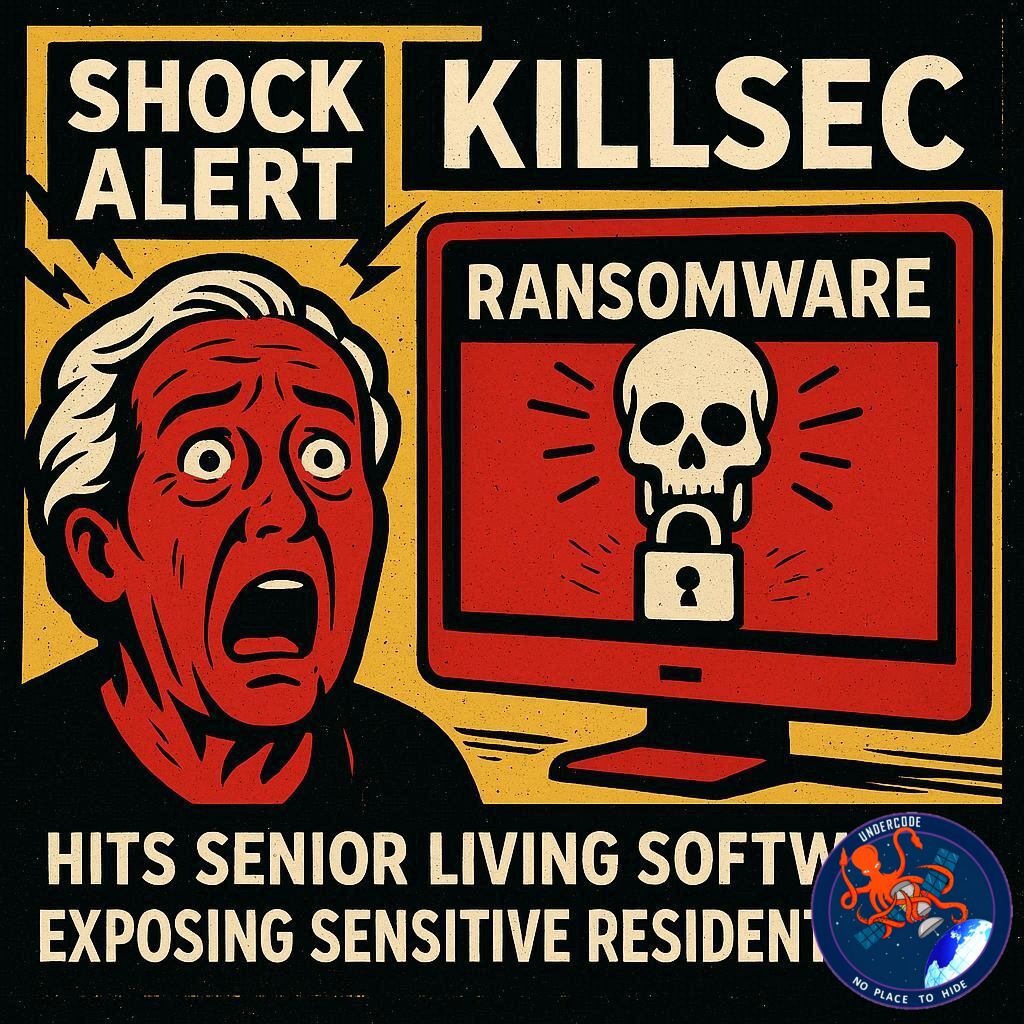
Introduction: Cybersecurity Breach Strikes Vulnerable Communities 🛡️
A recent cyberattack has sent shockwaves through senior living communities in the USA. The KillSec ransomware group allegedly targeted AVA Senior Connect, a popular software provider that manages operations for senior living facilities. This attack reportedly exposed sensitive personal data of both residents and staff, raising urgent questions about digital security in care environments.
the Incident 📰
On September 9, 2025, the cybersecurity community was alerted to a potential ransomware attack by KillSec on AVA Senior Connect, a software platform serving senior living communities. The breach reportedly involved the leaking of sensitive information, including personal data of residents and employees. Cybersecurity experts emphasize that ransomware attacks targeting healthcare-related software can have devastating consequences, from identity theft to financial fraud. Social media channels, including Daily Dark Web, quickly reported the incident, signaling the growing trend of cybercriminals targeting vulnerable sectors.
The implications are broad: senior living communities rely on AVA Senior Connect to manage critical operations, from medical records to staff scheduling. A disruption in this system can directly affect the quality of care, delay medical responses, and create panic among residents and their families. Cybersecurity analysts note that ransomware groups like KillSec often demand hefty payments, and victims face difficult choices—paying the ransom or risking public exposure of sensitive data.
This attack is a reminder of the evolving threats in the cyber landscape. While healthcare institutions invest in cybersecurity, ransomware groups are adapting rapidly, exploiting weaknesses in third-party software and cloud services. The public response has been swift, with media coverage highlighting the ethical and operational concerns surrounding data privacy in elder care.
What Undercode Say: Analytical Insights 🧠
The KillSec ransomware attack on AVA Senior Connect is emblematic of a larger trend: cybercriminals are increasingly targeting software providers rather than individual institutions. By compromising a single platform, hackers can access multiple client organizations simultaneously, amplifying the impact.
From a technical perspective, ransomware attacks often begin with phishing campaigns, malicious downloads, or exploitation of unpatched vulnerabilities in software systems. AVA Senior Connect’s exposure suggests potential lapses in endpoint security, network monitoring, or employee cybersecurity awareness. Experts argue that robust encryption protocols, multi-factor authentication, and continuous threat monitoring could mitigate such risks.
The human element also plays a crucial role. Staff working in senior living communities are often not trained for sophisticated cybersecurity threats. This makes them vulnerable to social engineering, which ransomware groups exploit to gain entry. In response, organizations must implement mandatory training programs, simulate attack drills, and establish rapid response teams to contain breaches.
Financially, ransomware attacks have become a high-stakes game. Paying the ransom rarely guarantees data recovery, and organizations may face legal penalties for not adequately protecting sensitive health data. The reputational damage is another significant factor, as families may lose trust in facilities unable to safeguard personal information.
Cybersecurity trends indicate that ransomware groups like KillSec operate on decentralized models, often leveraging cryptocurrency for ransom payments. This makes tracing funds challenging for law enforcement agencies. Collaboration between federal authorities, cybersecurity firms, and private organizations is critical to disrupt these networks and prevent further attacks.
Analysts predict that attacks on software providers will continue to rise, particularly targeting industries handling sensitive data, such as healthcare, finance, and education. The AVA Senior Connect incident may serve as a wake-up call for organizations to reassess their cybersecurity strategies, prioritize incident response plans, and invest in proactive threat detection tools.
Emerging technologies like AI-driven threat detection and zero-trust architectures could provide additional layers of defense. However, the evolving tactics of ransomware groups mean that vigilance, rapid response, and continuous adaptation are essential to mitigate risks effectively.
Ultimately, the KillSec incident is not just a technical issue—it reflects a broader societal concern about data privacy, ethical responsibility, and the intersection of technology with vulnerable populations. By addressing these challenges, senior living communities can better protect residents and staff while maintaining trust in digital systems.
Fact Checker Results ✅❌
✅ KillSec ransomware targeting AVA Senior Connect reported by credible dark web intelligence sources.
✅ Sensitive resident and staff data allegedly exposed.
❌ No confirmed report of ransom payment or full data recovery yet.
Prediction 🔮
Cybersecurity experts predict an increase in ransomware attacks on third-party software providers in 2025–2026, particularly in healthcare sectors. Organizations may face heightened regulatory scrutiny and must adopt advanced threat mitigation strategies to prevent future breaches. Enhanced staff training, AI-powered monitoring, and rapid response protocols will likely become standard in high-risk industries.
🕵️📝✔️Let’s dive deep and fact‑check.
References:
Reported By: x.com
Extra Source Hub:
https://www.reddit.com
Wikipedia
OpenAi & Undercode AI
Image Source:
Unsplash
Undercode AI DI v2
🔐JOIN OUR CYBER WORLD [ CVE News • HackMonitor • UndercodeNews ]
📢 Follow UndercodeNews & Stay Tuned:
𝕏 formerly Twitter 🐦 | @ Threads | 🔗 Linkedin | 🦋BlueSky | 🐘Mastodon


