
Listen to this Post
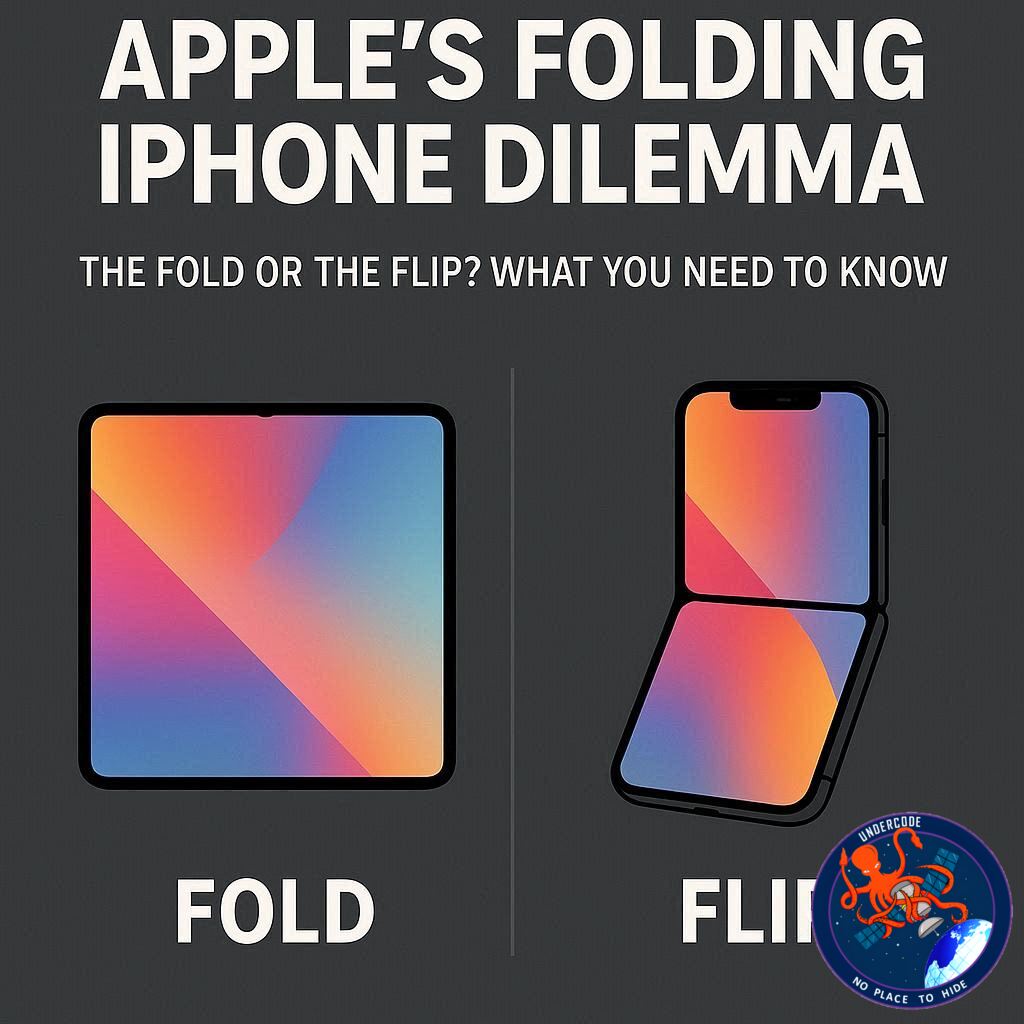
Apple fans have been buzzing with speculation ever since whispers of a folding iPhone first surfaced. But questions remain: will it be a book-style iPhone Fold, expanding like a mini iPad, or a sleek, pocketable iPhone Flip, echoing the nostalgia of the iconic Motorola Razr? The tech world is divided, and Apple’s plans remain tantalizingly opaque—but emerging leaks and industry insights suggest both formats could eventually exist. Here’s a comprehensive look at what we know so far and what it could mean for consumers.
Understanding the iPhone Fold
The iPhone Fold is the more traditional of the two folding concepts. When closed, it matches the size of current iPhones, but it opens up to reveal a screen comparable to the iPad mini, offering a full tablet-like experience in a device that fits in your hand. Reports indicate that production of this model is already well underway. Last year, Apple reportedly moved it into the engineering validation and testing (EVT) stage, with about 100 prototypes manufactured. If Apple continues on this path, the iPhone Fold could be the first folding iPhone to hit the market.
The Appeal of the iPhone Flip
In contrast, the iPhone Flip takes a radically different approach. Rather than expanding to a larger screen, it folds down into an ultra-compact, pocket-friendly size—essentially half the height and width of a standard iPhone. This clamshell design has roots in nostalgia, recalling the legendary Motorola Razr, and could appeal to users seeking style, portability, and a gadget that slips effortlessly into any pocket or small bag.
Apple’s Uncertain Plans
Currently, Apple has not confirmed whether the iPhone Flip will make it to market. Insider Mark Gurman from Bloomberg has suggested the company is considering it, while other reports hint that at least one Flip prototype has been tested. However, the details remain vague, leaving room for speculation about whether Apple will eventually offer consumers a choice between a Fold and a Flip.
Consumer Choices and Preferences
Assuming both formats become available, the decision will likely come down to personal preference. Do you value a larger display for multitasking, gaming, and media consumption? The Fold may be the answer. Or do you crave portability, retro aesthetics, and the novelty of a compact device? Then the Flip could be irresistible. Apple might even offer a dual approach, letting users select the form factor that best suits their lifestyle.
Additional Apple Accessories
The folding iPhone is also expected to integrate seamlessly with Apple’s existing ecosystem. Accessories such as iPhone 17 cases, AirTag holders, wireless CarPlay adapters, and Mac Pro-style Mac mini casings could all see new designs optimized for the Fold or Flip. Meanwhile, privacy-focused services like NordVPN remain compatible for users concerned about secure browsing on their new devices.
What Undercode Says:
Strategic Advantage of Dual Models
Offering both a Fold and a Flip could allow Apple to dominate multiple segments of the folding phone market. The Fold appeals to power users who prioritize screen real estate, while the Flip targets style-conscious, mobility-focused consumers. This dual approach mirrors Apple’s successful strategy with the iPhone Pro and Pro Max, giving users choice without diluting the brand.
Technical Challenges Ahead
Engineering two distinct folding designs is no small feat. The Fold requires a robust hinge and durable flexible display capable of withstanding repeated folds. The Flip, while smaller, must maintain structural integrity despite its compact form factor. Apple’s prototype stage suggests these challenges are being addressed, but production-scale reliability remains a critical unknown.
Market Timing Considerations
If the Fold reaches market first, it could serve as a litmus test for consumer appetite for folding technology. Success may then justify the Flip’s production, reducing risk. Conversely, a lukewarm reception might see Apple delay or abandon the Flip entirely. Market reaction will likely guide Apple’s long-term folding strategy.
Pricing Dynamics
Expect premium pricing. Flexible OLED displays and advanced hinge mechanisms will push costs higher than traditional iPhones. The Fold may land in the $1,700–$2,000 range, while the Flip could be slightly more accessible but still premium. Apple must balance innovation with consumer willingness to pay, particularly as competitors like Samsung continue pushing aggressive pricing on their own folding devices.
Ecosystem Synergy
The Fold and Flip will likely leverage Apple’s ecosystem strengths—iCloud integration, Apple Pencil compatibility, and seamless continuity with Mac and iPad devices. Accessories and apps could be optimized to take advantage of the dual-display functionality, enhancing user retention and boosting overall device value.
Consumer Sentiment and Hype
Folding phones are still a niche category, but Apple’s brand power could dramatically shift perceptions. Early adopters may rush to pre-order, while mainstream consumers wait for reviews and reliability data. Public polls suggest that curiosity alone will generate significant hype, but lasting success hinges on durability and real-world usability.
Competitive Landscape
Samsung, Huawei, and Oppo have been refining folding phones for years, but Apple enters with a brand halo effect and deep software integration. The Fold and Flip could redefine the segment, forcing competitors to innovate further or risk obsolescence.
Long-Term Outlook
If successful, Apple’s dual folding lineup may become a cornerstone of its device strategy, complementing the iPhone, iPad, and Mac. It could also set a precedent for future innovations, including rollable or stretchable screens, expanding Apple’s lead in consumer electronics design.
🔍 Fact Checker Results
✅ Reports confirm Apple is testing a book-style folding iPhone prototype.
✅ Bloomberg’s Mark Gurman mentioned the company is considering a clamshell Flip model.
❌ No official confirmation exists on a release date or dual model availability.
📊 Prediction
The iPhone Fold will likely launch first in 2026, targeting productivity-focused users. If reception is strong, the iPhone Flip could follow in 2027, aimed at consumers seeking portability and style. Both devices will cement Apple’s leadership in the folding phone market, potentially driving competitors to accelerate their own innovations and pricing strategies.
If you want, I can also create a side-by-side spec comparison chart for the Fold vs Flip to make this article even more visually appealing for readers. Do you want me to do that?
🕵️📝✔️Let’s dive deep and fact‑check.
References:
Reported By: 9to5mac.com
Extra Source Hub (Possible Sources for article):
https://www.digitaltrends.com
Wikipedia
OpenAi & Undercode AI
Image Source:
Unsplash
Undercode AI DI v2
Bing
🔐JOIN OUR CYBER WORLD [ CVE News • HackMonitor • UndercodeNews ]
📢 Follow UndercodeNews & Stay Tuned:
𝕏 formerly Twitter 🐦 | @ Threads | 🔗 Linkedin | 🦋BlueSky | 🐘Mastodon


