
Listen to this Post
Introduction: A New Era for MacBook Pro
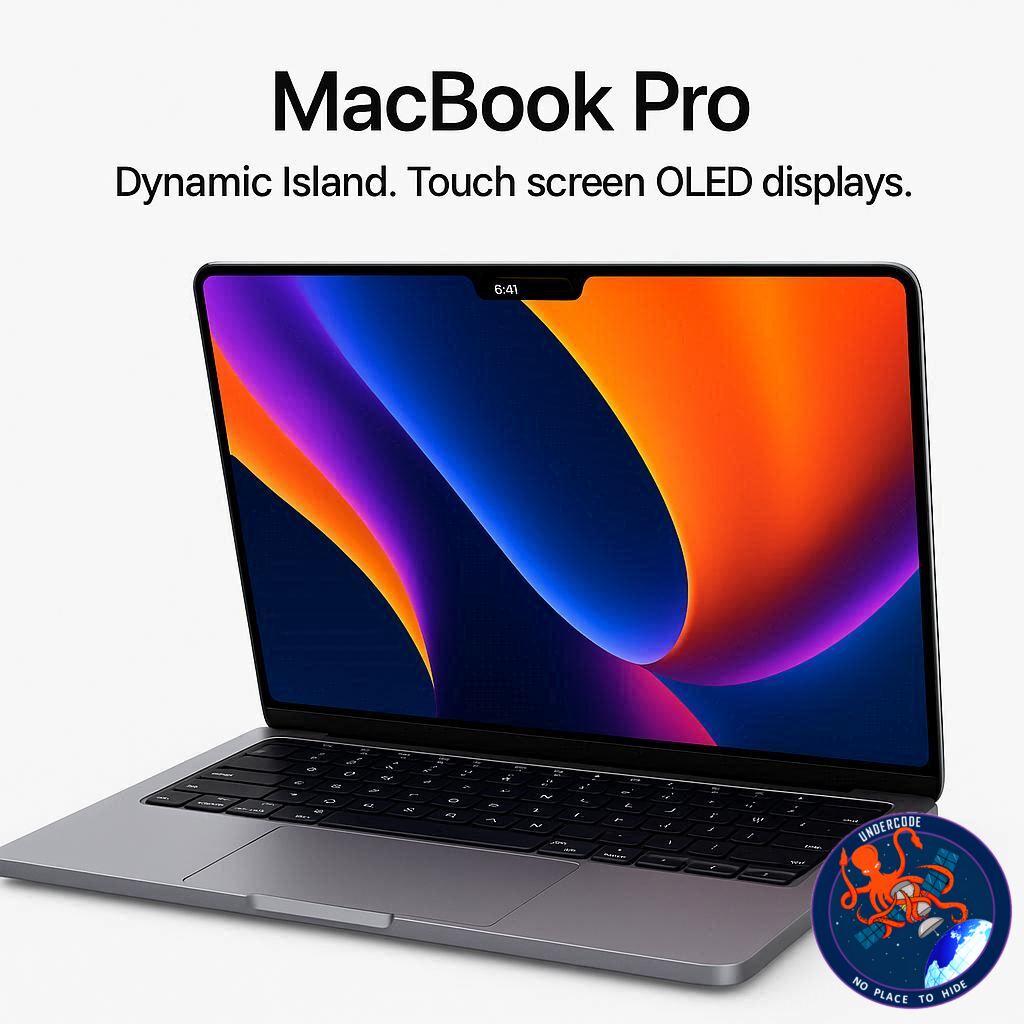
Apple is gearing up for a major overhaul of its MacBook Pro lineup later this year, promising features that fans have been dreaming about for years. From Dynamic Island integration to touchscreen functionality and OLED displays, this refresh could redefine how we interact with Apple’s flagship laptops. With reports emerging from Bloomberg, excitement is mounting for what could be the most ambitious MacBook Pro redesign in nearly a decade.
the Upcoming MacBook Pro Changes
Apple’s MacBook Pro is set to receive one of its most substantial updates, combining hardware innovation with software optimization. The Dynamic Island feature, previously exclusive to iPhones, is reportedly making its way to the Mac. Unlike the pill-shaped cutout on the iPhone 17 Pro, the MacBook Pro’s version will be smaller and built around a hole-punch camera cutout. This feature allows users to access real-time information seamlessly, such as music playback, weather updates, sports scores, ride-sharing status, and flight tracking—all without leaving the current app.
Touchscreen functionality is another highlight. Unlike a simple touchscreen layer slapped onto macOS, Apple is reportedly refining the operating system to provide intuitive touch interactions. For example, tapping a control will summon a contextual menu around the finger with relevant options. Menus and top-bar controls will dynamically resize for better accessibility. These changes aim to make touch input genuinely useful on a laptop rather than a gimmick.
Apple is also planning to launch new MacBook Pro models powered by M5 Pro and M5 Max chips next month. In addition to Dynamic Island and touchscreen support, the new devices are expected to feature OLED displays, promising richer colors and improved contrast. This combination of hardware and software enhancements represents a significant step forward in both functionality and user experience.
Despite excitement, questions remain. Adding a touchscreen could impact design, battery life, and thermal management. Apple’s implementation will need to balance these factors while still delivering the smooth, premium experience users expect from a MacBook Pro. Bloomberg reports suggest that this complete redesign is expected to launch in the fall, aligning with Apple’s usual release schedule for high-end laptops.
What Undercode Says: The Implications of the MacBook Pro Refresh
Dynamic Island Extends Apple’s Ecosystem
The introduction of Dynamic Island on the MacBook Pro signifies Apple’s commitment to creating a unified ecosystem experience. By bringing a feature previously limited to iPhones to macOS, Apple is bridging the gap between mobile and desktop workflows. Users can now receive real-time notifications and information without breaking their focus, a subtle but impactful productivity boost.
Touchscreen Optimization Goes Beyond Gimmicks
Apple’s approach to touchscreen on the MacBook Pro appears thoughtful, focusing on software interaction rather than mere hardware addition. Contextual menus, adaptive controls, and touch-aware UI elements show that Apple wants touch to feel native, not forced. This could reshape how macOS users interact with apps, making tasks like photo editing, design, and note-taking more intuitive.
OLED Displays: A Visual Leap
The inclusion of OLED displays will significantly enhance the visual experience. Deep blacks, vibrant colors, and improved energy efficiency are expected. For creative professionals who rely on accurate color reproduction, this is a major selling point, potentially setting a new standard in premium laptops.
Potential Challenges: Battery, Thermals, and User Adaptation
Adding a touchscreen and OLED panel could impact battery life and device thermals. Apple has historically optimized both, but the new hardware combination introduces unknowns. Users may need to adjust their workflows to maximize efficiency while adapting to new touch gestures on macOS.
Market and Consumer Impact
This refresh positions Apple aggressively in the high-end laptop market. Competitors like Dell and Microsoft have offered touch-enabled and OLED laptops for years, but Apple’s implementation, combined with M5 chip performance, could shift the competitive landscape. Early adopters and Apple enthusiasts are likely to be the primary drivers of initial sales, while mainstream users may wait to see how practical the touchscreen features truly are.
Integration with Apple Services
Dynamic Island’s real-time notifications tie into services like Apple Music, Apple Sports, Carrot Weather, and Flighty. This reinforces Apple’s ecosystem lock-in, encouraging users to engage with its apps and services more deeply. The synergy between hardware and software could increase user loyalty and elevate the perceived value of Apple laptops.
Long-Term Implications for macOS
If successful, touchscreen integration might influence future macOS designs. Developers could create apps optimized for both traditional keyboard/mouse input and touch gestures, potentially leading to more versatile and interactive software. The MacBook Pro could become a platform that bridges the gap between desktop computing and mobile interactivity.
Accessibility Benefits
Touchscreen and Dynamic Island features could also improve accessibility. Users with mobility limitations might find gesture-based controls easier than traditional keyboard shortcuts. Real-time, context-aware notifications provide instant, actionable information without navigating multiple menus.
Pricing and Consumer Considerations
While details on pricing are scarce, the combination of OLED, M5 chips, touchscreen, and Dynamic Island suggests a premium price point. Consumers may have to weigh the benefits of new features against cost, particularly if battery life or thermal management is affected.
Overall User Experience
If executed well, this MacBook Pro refresh could transform user interactions with laptops. Dynamic Island and touch gestures enhance efficiency, while OLED screens and M5 chips boost performance and visual fidelity. However, Apple must carefully balance these innovations with usability, reliability, and battery life to ensure the upgrade feels worthwhile.
🔍 Fact Checker Results
Dynamic Island on Mac: ✅ Bloomberg reports confirm the feature is coming, smaller than iPhone’s version.
Touchscreen macOS optimization: ✅ Sources indicate Apple is creating touch-specific menus and adaptive controls.
OLED display inclusion: ✅ Multiple leaks and reports suggest the new MacBook Pro will feature OLED panels.
📊 Prediction
The new MacBook Pro will likely drive strong early adoption among creative professionals and tech enthusiasts, particularly those already invested in Apple’s ecosystem. If touch gestures and Dynamic Island integration work as intended, we could see a gradual shift in how macOS apps are designed, prioritizing interactivity and context-aware controls. Apple may also use this refresh to justify premium pricing, positioning the M5 MacBook Pro as a must-have for productivity and content creation. Over time, competitors may follow suit, leading to a new era of touch-optimized, OLED-equipped laptops across the industry.
🕵️📝✔️Let’s dive deep and fact‑check.
References:
Reported By: 9to5mac.com
Extra Source Hub (Possible Sources for article):
https://www.instagram.com
Wikipedia
OpenAi & Undercode AI
Image Source:
Unsplash
Undercode AI DI v2
Bing
🔐JOIN OUR CYBER WORLD [ CVE News • HackMonitor • UndercodeNews ]
📢 Follow UndercodeNews & Stay Tuned:
𝕏 formerly Twitter 🐦 | @ Threads | 🔗 Linkedin | 🦋BlueSky | 🐘Mastodon


