
Listen to this Post
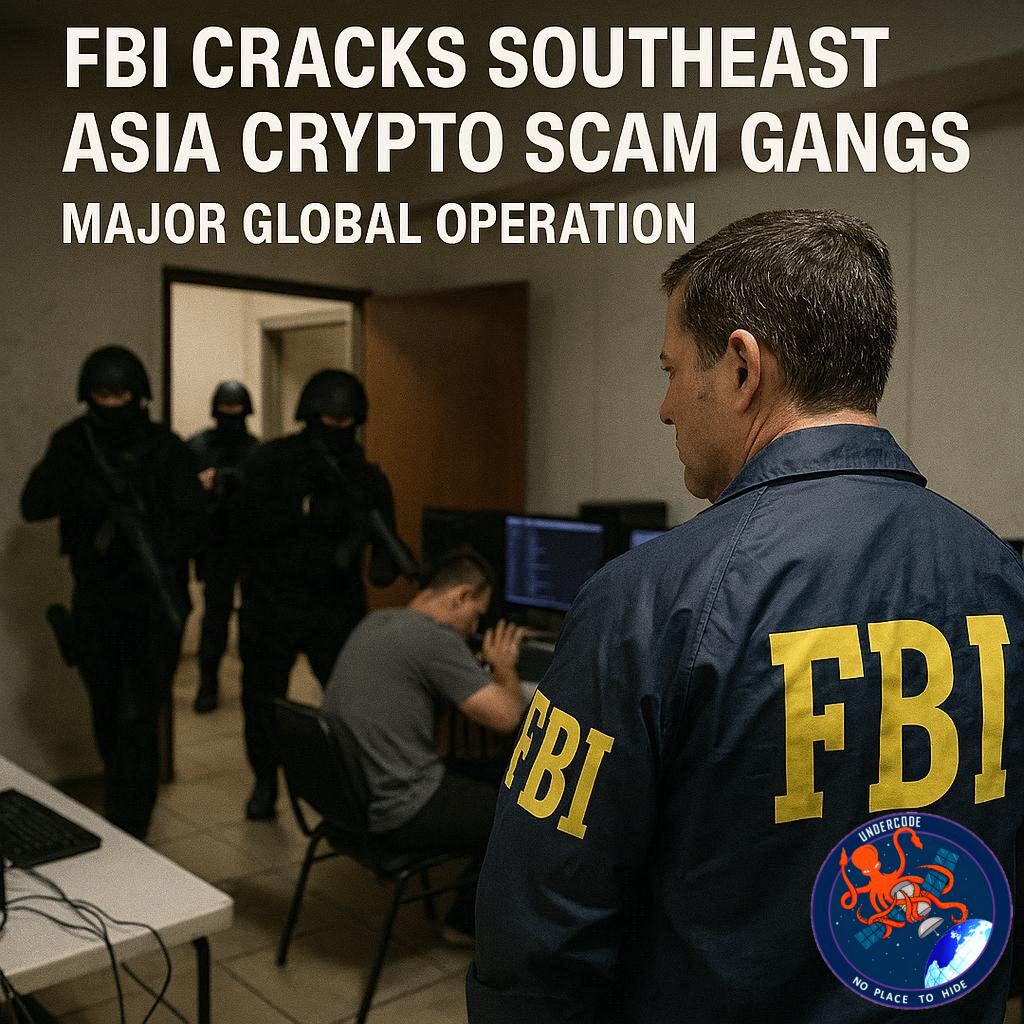 In a bold move to curb cybercrime, the FBI has intensified its fight against transnational scam networks in Southeast Asia. These operations, which include illegal cryptocurrency schemes and human trafficking links, have drawn international attention due to their growing sophistication and global reach. Leveraging global partnerships, the FBI aims to dismantle these criminal networks and protect victims worldwide.
Southeast Asia Becomes the Hotbed for Crypto Fraud
The FBI’s latest operations have uncovered a surge in crypto-related scams emanating from Thailand and neighboring countries. These networks exploit loopholes in cryptocurrency regulations and use complex methods to defraud investors and unsuspecting individuals. The scams often involve fake investment platforms, phishing attacks, and sophisticated social engineering techniques that lure victims into transferring significant amounts of money.
Global Enforcement Collaboration
To tackle these operations, the FBI is coordinating with multiple international law enforcement agencies, including Interpol and local authorities in Southeast Asia. Joint raids and intelligence-sharing have been pivotal in disrupting the infrastructure of these transnational gangs. Authorities are focusing not only on the perpetrators but also on the financial mechanisms that sustain these illegal activities.
The Role of Cryptocurrency in Crime
Cryptocurrencies, while offering legitimate opportunities for investment, have become a preferred tool for criminals due to their pseudonymous nature. The FBI’s investigation highlights how these digital assets can be exploited for laundering money, funding illicit operations, and evading traditional banking oversight. Analysts warn that without stringent regulations, such scams will continue to proliferate.
Victim Awareness and Reporting
Awareness campaigns have been launched to educate the public about the risks associated with unregulated crypto investments. Victims are encouraged to report suspicious activity immediately, enabling authorities to trace transactions and prevent further losses. The FBI emphasizes that global cooperation and informed vigilance are crucial to staying ahead of these rapidly evolving threats.
Technology-Driven Investigations
Modern cyber investigations are heavily technology-driven. The FBI is employing advanced blockchain analytics, AI-powered threat detection, and cross-border digital forensics to identify and track scam operations. These tools have proven effective in mapping the financial flows and digital footprints of cybercriminals.
What Undercode Says:
Rising Threat Levels in Southeast Asia
Southeast Asia has increasingly become a hub for sophisticated cybercrime, especially in the cryptocurrency sector. Countries like Thailand are targeted due to relatively weaker regulatory frameworks and high digital penetration. The FBI’s intervention highlights the urgent need for regional governments to implement stronger cybersecurity laws and investor protections.
Impact on Global Cryptocurrency Markets
Scam operations of this magnitude can destabilize investor confidence globally. Each high-profile takedown sends ripples through cryptocurrency markets, sometimes causing short-term volatility. Institutional investors are paying close attention to these enforcement actions, as they signal the potential for stricter regulations and tighter compliance requirements.
Cross-Border Enforcement Challenges
Despite global cooperation, prosecuting transnational cybercriminals remains challenging. Jurisdictional complexities, differences in legal frameworks, and the anonymity of crypto transactions complicate enforcement. Effective disruption requires coordinated international policies and harmonized legal measures to ensure criminals cannot exploit gaps between nations.
Technological Arms Race
The conflict between law enforcement and cybercriminals is increasingly an arms race. As criminals adopt AI and encrypted communication tools, agencies like the FBI must continuously innovate to maintain an edge. Investments in cyber threat intelligence, AI-driven monitoring, and blockchain tracking are essential to stay ahead of evolving tactics.
Public Education as a Defense
Regulatory measures alone are insufficient. Public education about safe investment practices, recognizing phishing attempts, and verifying crypto platforms is critical. Communities that are more digitally literate are less likely to fall prey to sophisticated scams, ultimately reducing the success rate of these criminal enterprises.
Broader Implications for Policy
The FBI’s actions may serve as a catalyst for broader policy initiatives in Southeast Asia. Governments might tighten cryptocurrency regulations, enforce stricter KYC/AML policies, and enhance cross-border cybersecurity cooperation. This proactive approach could prevent the region from becoming a persistent hub for global cybercrime.
Strategic Recommendations for Investors
Investors should diversify holdings, verify exchange legitimacy, and stay updated on regulatory announcements. Risk mitigation strategies, including cold wallets and multi-factor authentication, are becoming increasingly essential in safeguarding digital assets.
Collaboration Between Private and Public Sectors
Private cybersecurity firms can complement law enforcement by providing real-time threat intelligence. Joint task forces and information-sharing platforms could further disrupt organized crypto fraud networks, making coordinated defense more effective than isolated efforts.
Lessons for Global Law Enforcement
The operation underscores that tackling cybercrime requires a combination of technology, intelligence, and diplomacy. Agencies worldwide can learn from the FBI’s approach of merging local insight with international expertise to dismantle complex criminal networks.
Long-Term Outlook
Without continuous vigilance, cybercriminals will adapt to new technologies and regulatory gaps. Ongoing investments in digital forensics, international cooperation, and public education will be critical in reducing the prevalence and impact of cryptocurrency scams.
🔍 Fact Checker Results
✅ FBI confirms active campaigns against Southeast Asian crypto scam networks.
✅ Partnerships with local and international authorities are central to enforcement actions.
❌ No evidence currently suggests all crypto platforms in the region are unsafe; the focus is on illegal operations.
📊 Prediction
As enforcement intensifies, we can expect a short-term spike in arrests and platform shutdowns in Southeast Asia. Investor confidence in legitimate crypto exchanges may stabilize gradually, while regulators in neighboring countries likely implement stricter compliance and monitoring frameworks. Over the next 12–18 months, we could see a noticeable reduction in large-scale crypto scams, though smaller opportunistic frauds may continue to persist.
🕵️📝✔️Let’s dive deep and fact‑check.
References:
Reported By: x.com
Extra Source Hub (Possible Sources for article):
https://www.pinterest.com
Wikipedia
OpenAi & Undercode AI
Image Source:
Unsplash
Undercode AI DI v2
Bing
🔐JOIN OUR CYBER WORLD [ CVE News • HackMonitor • UndercodeNews ]
📢 Follow UndercodeNews & Stay Tuned:
𝕏 formerly Twitter 🐦 | @ Threads | 🔗 Linkedin | 🦋BlueSky | 🐘Mastodon


