
Listen to this Post
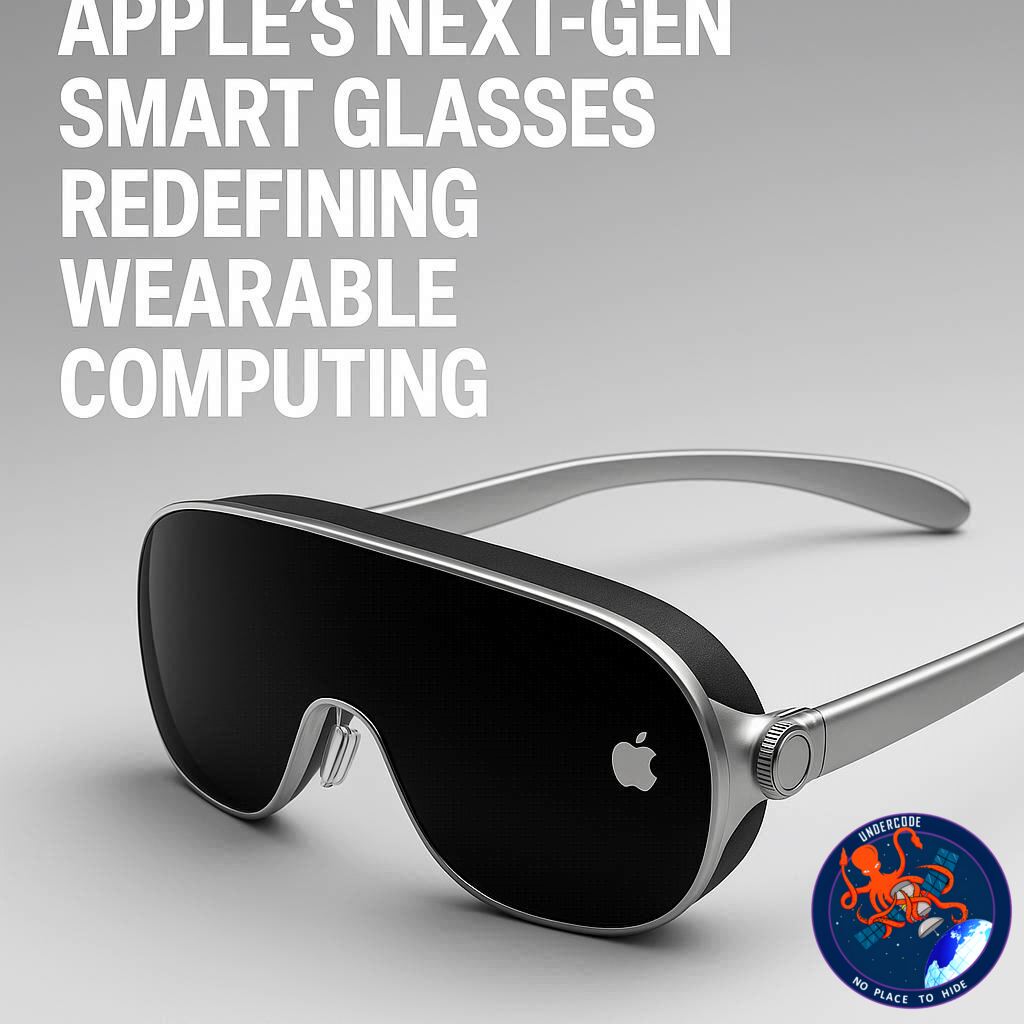
Apple is preparing to enter the wearable technology arena with a groundbreaking pair of smart glasses designed to transform how users interact with both their Macs and iPhones. These glasses promise to blend augmented reality and productivity seamlessly, offering a visionOS interface for immersive tasks and a streamlined mobile mode for quick, on-the-go interactions. With rumors of a potential launch in 2026 and broader availability in 2027, Apple appears poised to challenge existing players in the smart eyewear market, including Meta’s Ray-Ban smart glasses.
The upcoming Apple smart glasses are expected to feature dual-mode functionality, allowing users to switch between two distinct experiences depending on the device they are paired with. When connected to a Mac, the glasses would provide a full visionOS interface, enabling multitasking, immersive productivity, and potentially new ways to visualize digital content. Paired with an iPhone, the glasses would offer a lighter, mobile-optimized interface designed for navigation, notifications, and quick interactions. This adaptive design could make the device versatile enough for both professional and casual use.
Compared to competitors, Apple’s entry into smart eyewear seems strategically cautious yet innovative. Meta’s Ray-Ban smart glasses, currently retailing around $799 in the U.S., already feature in-lens displays but focus more on integrated audio, photography, and social media interactions. Apple’s first-generation model is rumored to prioritize the core display technology without initially including built-in speakers, cameras, or extensive health tracking. This approach may reflect Apple’s long-term vision of establishing a strong software ecosystem around the glasses first, then layering additional hardware features in future iterations.
While Apple has yet to confirm the product, insiders suggest the company could announce the glasses as early as 2026, with a commercial release potentially following in 2027. If these timelines hold, Apple could position itself as a dominant player in AR-powered wearable computing, leveraging its existing device ecosystem and reputation for design and usability. The dual-mode functionality is particularly compelling, as it addresses a major challenge in smart eyewear: creating a device that is both powerful enough for productivity and convenient for casual use.
What Undercode Say:
Apple’s smart glasses could redefine the concept of wearable computing by combining adaptive functionality with a strong software-first approach. The dual-mode design indicates Apple is not merely chasing novelty but solving a practical problem: how to integrate wearable technology into existing workflows without creating fragmentation. A full visionOS interface for Macs could open doors for augmented reality productivity tools, from virtual desktops to immersive collaboration platforms, while the iPhone mode ensures the device remains relevant for everyday tasks.
By not including features like cameras or built-in speakers initially, Apple seems to be deliberately narrowing the focus to core AR experiences, potentially mitigating privacy concerns and production complexity. This restraint could also position the glasses as a premium, focused productivity tool rather than a general consumer gadget, giving Apple a strategic advantage over devices like Ray-Ban’s smart glasses. Moreover, the integration with macOS and iOS ecosystems could create an unprecedented level of seamless cross-device functionality, a hallmark of Apple’s approach to hardware and software synergy.
From a market perspective, these smart glasses could stimulate a new category of wearable devices, blending AR productivity with lifestyle convenience. Developers may quickly respond with apps tailored for both immersive Mac experiences and lightweight mobile interactions. The dual-mode concept might also serve as a blueprint for future wearables, highlighting adaptive interfaces as a key differentiator. Strategically, Apple is not just launching a gadget but potentially establishing a new platform for software and services, reinforcing its ecosystem and deepening customer loyalty.
The choice to limit first-generation hardware features may appear conservative but could prove visionary. It allows Apple to refine its AR interface, address user feedback, and gradually expand capabilities over successive iterations. If executed successfully, these glasses could become essential for remote work, immersive entertainment, and AR-enabled daily productivity. Apple’s cautious yet innovative strategy could redefine expectations for smart eyewear, prioritizing user experience and ecosystem integration over gimmicky features.
Fact Checker Results:
✅ Apple is developing smart glasses with potential dual-mode functionality.
❌ No official confirmation yet; all timelines and features remain speculative.
✅ Competitor comparison to Meta’s Ray-Ban smart glasses is accurate.
Prediction:
📊 Apple’s smart glasses are likely to debut as a productivity-focused AR device in 2026, with broad consumer adoption by 2027. The dual-mode interface could set a new standard for wearable computing, inspiring competitors to adopt more adaptive, cross-device experiences. Over time, Apple may expand hardware features such as cameras, audio, and health tracking, positioning the glasses as a central hub for both work and lifestyle applications.
🕵️📝✔️Let’s dive deep and fact‑check.
References:
Reported By: timesofindia.indiatimes.com
Extra Source Hub (Possible Sources for article):
https://www.reddit.com/r/AskReddit
Wikipedia
OpenAi & Undercode AI
Image Source:
Unsplash
Undercode AI DI v2
Bing
🔐JOIN OUR CYBER WORLD [ CVE News • HackMonitor • UndercodeNews ]
📢 Follow UndercodeNews & Stay Tuned:
𝕏 formerly Twitter 🐦 | @ Threads | 🔗 Linkedin | 🦋BlueSky | 🐘Mastodon


