
Listen to this Post
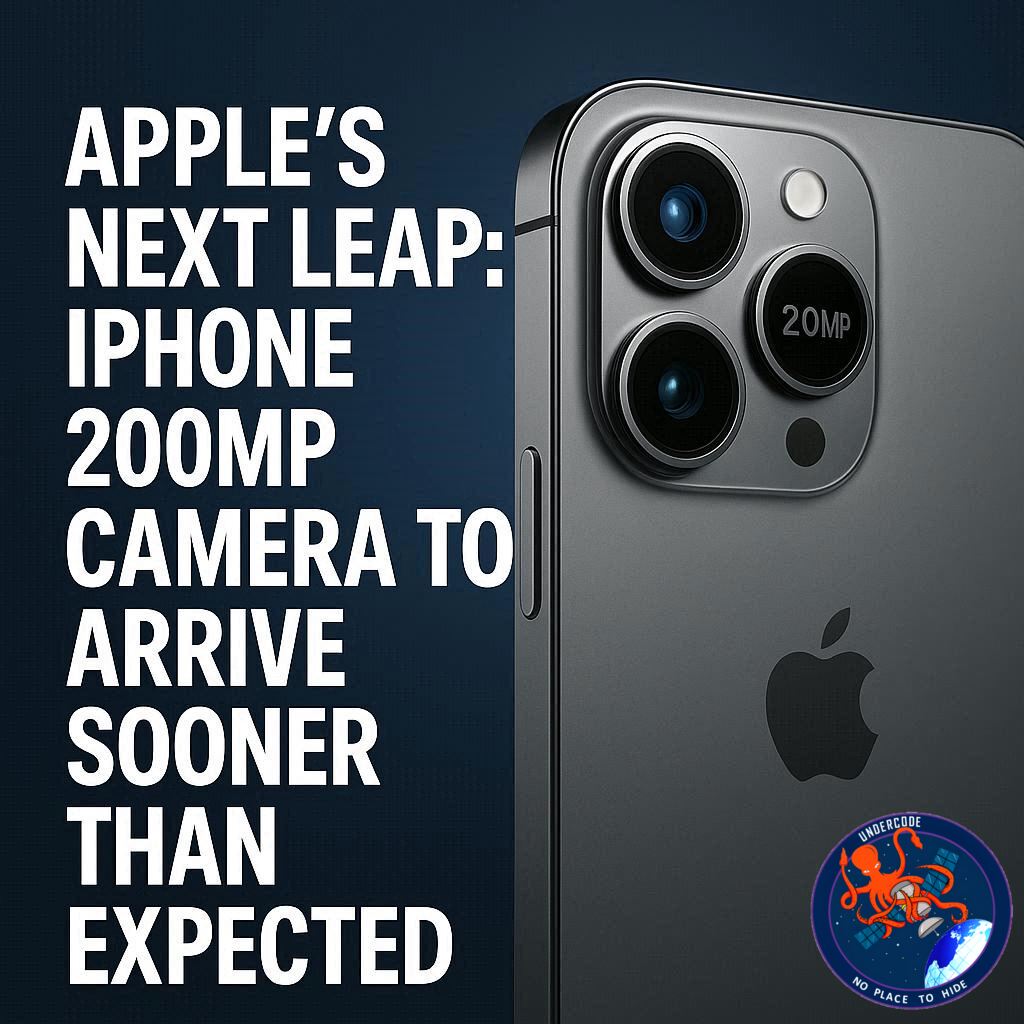
Apple is reportedly preparing to take smartphone photography to an unprecedented level with a 200-megapixel camera, potentially arriving in the iPhone lineup as early as next year. While the idea of cramming so many pixels into a small smartphone sensor raises concerns about low-light performance, recent reports suggest Apple may have found a way to balance mega-resolution with photo quality.
The Rumor of a 200MP Camera
Back in May last year, Weibo leaker Digital Chat Station (DCS) first claimed that Apple was developing a 200MP camera for future iPhones. This would mark a dramatic jump from the 48MP sensors currently used in iPhone 17 Pro models. By January this year, Morgan Stanley backed this report, predicting a launch as late as 2028.
Why More Megapixels Aren’t Always Better
Increasing megapixels without enlarging the sensor can harm image quality. Higher pixel density often introduces noise, particularly in low-light environments. Apple historically avoided chasing megapixel numbers, sticking to 12MP sensors while competitors ramped up their counts. This conservative approach made iPhones exceptional for low-light photography, capturing key life moments like birthday parties, indoor gatherings, and family events with remarkable clarity. Only recently did Apple move to 48MP sensors.
The Importance of Sensor Size
The solution to high pixel density is a larger sensor, which can capture more light and produce cleaner images. Reports indicate Apple may be planning a 200MP 1/1.12-inch sensor, the same size used in Oppo Find X9 Ultra. If Apple follows Oppo’s approach, the high-resolution sensor may be limited to the telephoto lens, minimizing low-light issues. Supply chain sources even suggest this sensor could arrive in next year’s iPhone, not 2028 as previously thought.
Understanding Sensor Sizes
Camera sensors are measured in a legacy system dating back to 1950s television tubes. Converting to total area:
Model Sensor Size Area
iPhone 17/iPhone Air 1/1.56″ 48mm²
iPhone 17 Pro/Pro Max 1/1.28″ 71.5mm²
Rumored 200MP sensor 1/1.12″ 93.2mm²
This shows Apple could dramatically increase sensor size, which is crucial to maintaining image quality at 200MP.
Potential Implications for Photography
If Apple follows Oppo’s blueprint, the 200MP sensor would be dedicated to telephoto use, where indoor low-light photography is less critical. This strategy allows Apple to push megapixel counts without sacrificing its reputation for excellent low-light performance.
What Undercode Says:
Balancing Pixels and Quality
Apple’s potential move to 200MP signals its intent to compete not just in sensor resolution but in overall imaging versatility. While more megapixels sound impressive on spec sheets, the challenge lies in ensuring the photos retain clarity, especially in dim lighting. If Apple uses the 200MP sensor primarily for telephoto lenses, it cleverly sidesteps the most common low-light pitfalls.
Innovation Driven by Competition
Smartphone brands like Oppo and Samsung are already experimenting with high-resolution telephoto and ultra-wide sensors. Apple adopting a similar approach shows the company is keen to stay competitive in the flagship camera market without compromising its core strengths in computational photography.
A Strategic Sensor Upgrade
The rumored 1/1.12-inch sensor represents a substantial upgrade in light-gathering capacity. Compared with iPhone 17 Pro’s 71.5mm² sensor, this larger sensor could capture significantly more light, helping to maintain image clarity even at high megapixels. This signals Apple’s intent to push technical boundaries in sensor engineering.
Potential Market Impact
Introducing a 200MP telephoto sensor may influence prosumer photographers and tech enthusiasts, attracting users who prioritize camera specifications. The move could also push competitors to accelerate their sensor innovation, potentially sparking a new wave of flagship smartphone cameras.
Technical Trade-offs
Despite the excitement, challenges remain: file sizes will increase dramatically, demanding faster processors and more storage. Post-processing and AI-driven noise reduction will be key to turning raw 200MP shots into usable images. Apple’s software prowess could be decisive in making this high-resolution camera practical.
Timing and Supply-Chain Clues
Reports suggesting a launch next year indicate Apple may have accelerated development. Supply-chain leaks often hint at early prototypes and production runs, suggesting Apple may introduce this innovation sooner than industry watchers expect.
Consumer Experience Focus
Apple’s focus on a telephoto-specific high-megapixel sensor means everyday users won’t see drawbacks in primary photography. Standard photos, selfies, and low-light shots will likely remain dominated by the current 48MP and computational photography system.
Photography Evolution
This upgrade may redefine how iPhone users perceive telephoto lenses. The ability to crop heavily without losing detail could revolutionize travel photography, wildlife shots, and portrait work, all without needing a standalone camera.
Design Considerations
Integrating a 200MP sensor into the iPhone form factor requires careful heat management, lens quality optimization, and firmware calibration. Apple’s history suggests it will handle these technical hurdles adeptly, avoiding pitfalls that other manufacturers sometimes face.
Long-Term Strategy
Apple may be laying the groundwork for even larger sensors or multi-lens, ultra-high-resolution arrays in future models. This could mark the start of a multi-year camera innovation cycle focused on versatility and professional-grade photography.
🔍 Fact Checker Results
Claim: Apple planning 200MP iPhone camera. ✅ Supported by multiple credible leaks (DCS, Morgan Stanley).
Claim: Sensor size 1/1.12-inch. ✅ Matches industry rumors and Oppo Find X9 Ultra comparison.
Claim: Release as early as next year. ⚠ Unconfirmed but supply-chain sources suggest acceleration from 2028 timeline.
📊 Prediction
Apple’s potential adoption of a 200MP telephoto sensor is likely to reshape the high-end smartphone photography market. Expect competitors to follow suit with larger, high-resolution sensors in telephoto or ultra-wide cameras. The technology may initially appeal to photography enthusiasts, but software-driven optimization could make ultra-high-resolution photography mainstream in flagship smartphones by 2027. The move also positions Apple as a leader in camera innovation, balancing hardware leaps with computational photography excellence.
If you want, I can also create a visual comparison chart showing the evolution from 12MP to 200MP sensors, highlighting potential improvements in detail and light capture—it would make this article even more compelling.
🕵️📝✔️Let’s dive deep and fact‑check.
References:
Reported By: 9to5mac.com
Extra Source Hub (Possible Sources for article):
https://www.quora.com/topic/Technology
Wikipedia
OpenAi & Undercode AI
Image Source:
Unsplash
Undercode AI DI v2
Bing
🔐JOIN OUR CYBER WORLD [ CVE News • HackMonitor • UndercodeNews ]
📢 Follow UndercodeNews & Stay Tuned:
𝕏 formerly Twitter 🐦 | @ Threads | 🔗 Linkedin | 🦋BlueSky | 🐘Mastodon


