
Listen to this Post
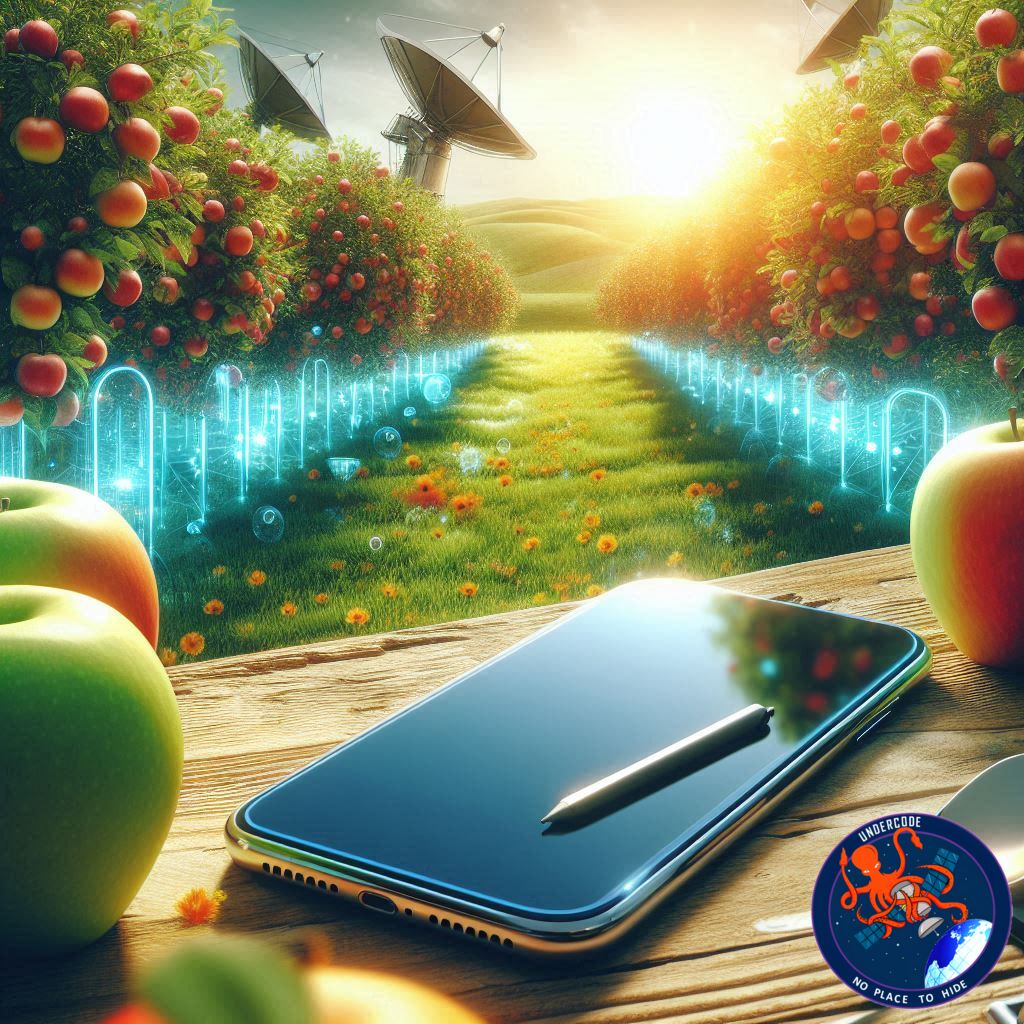
How Apple is quietly building the foundation for a world where iPhones stay connected—no matter where you are.
The Dawn of a New Era in iPhone Connectivity
Apple’s ambitions for satellite connectivity are far bigger than anyone imagined. What began in 2022 as the life-saving Emergency SOS via Satellite feature is now evolving into a full-scale communication revolution. According to Bloomberg’s Mark Gurman, Apple isn’t stopping at emergencies—it wants iPhones to stay connected even when traditional cell towers vanish from the map.
For over a decade, Apple’s engineers have been exploring how satellites could bridge the digital gap, and it seems that groundwork is finally paying off. The tech giant is reportedly working on a series of breakthroughs that could redefine what “always connected” truly means. Among them: a new framework for third-party apps, richer messaging experiences, satellite-based maps, and next-generation 5G NTN integration.
There’s also a quiet debate brewing within Apple’s walls—should it become its own satellite carrier? Some executives are hesitant, arguing that Apple should not act like a telecom company. Yet others see massive advantages in cutting ties with third-party providers like Globalstar or SpaceX, giving Apple more control and reliability as satellite tech grows central to mobile communication.
The possibilities are vast. Imagine sending photos via satellite text, navigating through the wilderness without pre-downloaded maps, or keeping a signal inside your car when cell coverage drops to zero. Apple’s roadmap includes improvements that make satellite communication natural and seamless—so much so that users won’t even think about it.
Perhaps the most transformative leap is 5G NTN (Non-Terrestrial Networks), which blends 5G and satellite technologies. It means that even if you’re out of range of a cell tower, your iPhone could automatically tap into orbiting satellites for coverage. The line between cellular and satellite networks could soon blur entirely.
Today, total signal loss is rare—but “no usable service” zones are still everywhere. Satellite-assisted 5G could turn those frustrating dead zones into seamless, invisible transitions between Earth and orbit. In Apple’s world, there may soon be no such thing as being “out of range.”
What Undercode Say:
Apple’s satellite vision isn’t just a technical upgrade—it’s a strategic power move. For years, Apple has been building an ecosystem where hardware, software, and services work in perfect harmony. Adding a satellite layer takes that control skyward, literally.
Owning the satellite connection framework would position Apple as not just a smartphone maker, but a global communications platform. The idea of bypassing carriers and third-party providers reflects Apple’s long-standing desire for end-to-end control. Remember how the company built its own chips to escape reliance on Intel? The same logic applies here. Apple doesn’t want to depend on others for something as vital as connectivity.
But this ambition comes with massive technical and financial challenges. Building and maintaining a private satellite network would require billions of dollars in investment and regulatory approvals across multiple countries. That’s a logistical nightmare even for Apple. Hence, the internal hesitation makes sense. Yet, in the long term, the payoff could be immense—especially as devices become more autonomous, AI-driven, and always online.
From a user experience standpoint, Apple’s rumored improvements could make satellite communication feel invisible. The current version of Emergency SOS requires users to aim their phone toward the sky—a process that feels novel but cumbersome. The next phase aims for “natural usage,” meaning your iPhone could maintain satellite links in your pocket, your car, or even indoors through relay and advanced antenna technologies.
Then there’s the integration with third-party apps. Allowing developers to tap into satellite connectivity could unleash an entirely new category of offline-first applications—think adventure trackers, rural communication tools, or even drone control interfaces that never lose connection.
Richer messaging, especially with support for images, marks another leap. Apple knows that communication is visual; photos convey urgency and context that words can’t. Sending images over satellite links could save lives in emergencies, or simply make communication more expressive when off-grid.
The introduction of satellite-powered maps is yet another subtle but significant enhancement. No more downloading areas before a trip—your iPhone could provide live navigation anywhere, from desert trails to open seas.
Finally, 5G NTN could be Apple’s ace. By merging 5G terrestrial networks with satellite coverage, users might never see a “No Service” icon again. That seamless continuity could redefine how we perceive connectivity itself.
Strategically, this development fits Apple’s broader push toward “device independence.” Future iPhones, Apple Watches, and even Vision Pro headsets could function robustly without ever depending fully on terrestrial internet. It’s Apple’s vision of a world where their ecosystem transcends boundaries—geographical, technical, and infrastructural.
Apple’s quiet race to perfect satellite connectivity also reflects growing competition. Elon Musk’s SpaceX and Amazon’s Project Kuiper are vying for dominance in the same orbit. If Apple manages to build or partner cleverly, it could secure its spot not just in the smartphone market, but in the very architecture of global communication.
The bottom line: Apple isn’t trying to be a carrier—it’s trying to be the sky itself.
Fact Checker Results
✅ Apple launched Emergency SOS via satellite in 2022.
✅ Bloomberg’s Mark Gurman confirmed ongoing satellite-related projects at Apple.
❌ Apple has not officially announced plans to build its own satellite network.
Prediction 🚀
In the next 3–5 years, Apple will likely integrate satellite access into standard iPhone connectivity, merging it seamlessly with 5G networks. Emergency SOS will evolve into “Always-On Connectivity,” where users stay online even off-grid. By 2030, Apple could emerge not only as a tech company but as a global communication ecosystem, connecting people where no carrier ever could.
🕵️📝✔️Let’s dive deep and fact‑check.
References:
Reported By: 9to5mac.com
Extra Source Hub (Possible Sources for article):
https://www.medium.com
Wikipedia
OpenAi & Undercode AI
Image Source:
Unsplash
Undercode AI DI v2
Bing
🔐JOIN OUR CYBER WORLD [ CVE News • HackMonitor • UndercodeNews ]
📢 Follow UndercodeNews & Stay Tuned:
𝕏 formerly Twitter 🐦 | @ Threads | 🔗 Linkedin | 🦋BlueSky | 🐘Mastodon


