
Listen to this Post
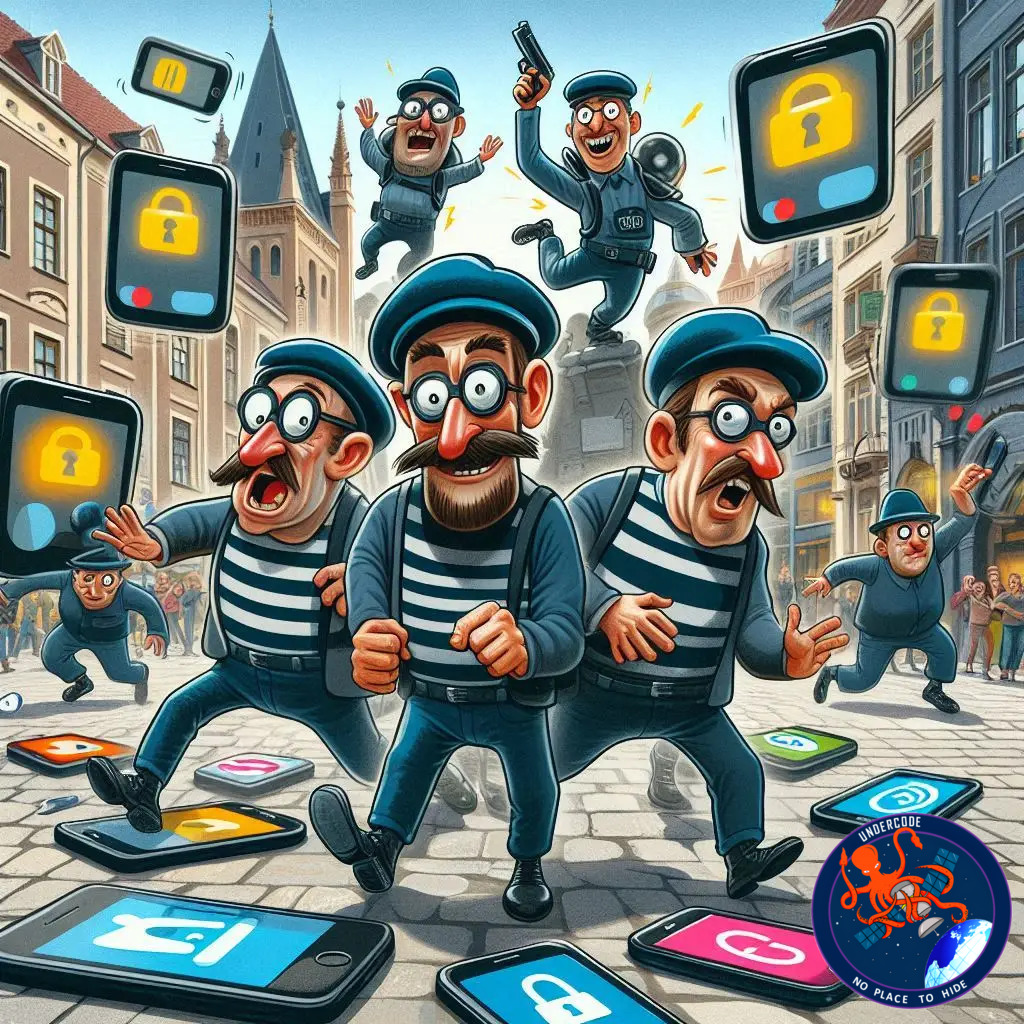
A New Breed of Digital Deception
In a chilling warning, Switzerland’s National Cyber Security Centre (NCSC) has raised the alarm about a surge in phishing attacks masquerading as legitimate “Find My iPhone” alerts. These scams are not the typical clumsy attempts users can easily spot. Instead, they exploit Apple’s trusted ecosystem—specifically, the “Find My” network—tricking victims into surrendering their Apple ID credentials through deceptively authentic notifications and websites.
According to the NCSC, victims receive messages that claim to have located their missing iPhone. The text includes a link that appears to lead to Apple’s official site, but it instead redirects users to a fake login portal designed to harvest Apple IDs and passwords. Once compromised, attackers gain the ability to disable Activation Lock, access personal data stored in iCloud, and even resell the stolen device as new.
This form of social engineering represents a sophisticated evolution of phishing. Rather than sending mass generic emails, cybercriminals are now weaponizing trust—using Apple’s own reputation as the bait. In many cases, these fraudulent alerts are nearly indistinguishable from legitimate “Find My” notifications, complete with Apple’s tone, logo, and URL mimicry.
The NCSC emphasizes that once the attackers gain access to an Apple ID, they can wreak havoc on multiple fronts: erasing backups, stealing photos and files, accessing payment information, and bypassing two-factor authentication if the victim is tricked into revealing verification codes. In short, the breach extends far beyond the device—it opens the door to a user’s digital life.
This incident marks a growing trend in Europe, where SMS-based phishing (“smishing”) has rapidly become one of the top methods used by cybercriminals to target users. With Apple devices being deeply integrated into personal and professional life, the potential damage is enormous.
The Swiss NCSC’s warning is clear: never trust unsolicited messages, even if they appear to come from Apple. Instead, users should go directly to the official “Find My” app or Apple’s legitimate iCloud website to verify any claims.
These attacks also highlight the psychological manipulation behind phishing. When people lose their phone, they’re often anxious, desperate, and emotionally vulnerable—exactly the state scammers exploit. The attackers rely on a simple human reflex: when panic strikes, caution fades.
What Undercode Say:
The sophistication of this campaign exposes a deeper truth about today’s cybersecurity landscape: trust has become the most exploited vulnerability.
Phishing has evolved far beyond crude email scams—it’s now psychologically engineered and technically refined. What makes this wave particularly dangerous is not just the technology behind it, but the emotional precision. The attackers aren’t hacking machines; they’re hacking minds.
Apple users, often considered tech-savvy, are now prime targets precisely because of their reliance on Apple’s ecosystem. With features like “Find My” deeply integrated into the user experience, the boundary between official and fake is thin. The attackers exploit this blind trust in interface consistency and brand authority.
From an analytical standpoint, these phishing campaigns demonstrate a fusion of social psychology, UX mimicry, and opportunistic timing. Each fake message leverages both design familiarity and emotional urgency—two of the most powerful tools in social engineering.
This is not just a technical threat—it’s a behavioral attack. Users aren’t tricked because they lack knowledge; they’re tricked because they act under stress. The false sense of security offered by platform branding (like Apple’s) amplifies the danger.
What’s most concerning is how these scams bypass traditional cybersecurity defenses. Even with antivirus, VPNs, and firewalls in place, the human factor remains the weakest link. A single tap on a fake link can undo years of careful security practices.
The NCSC’s alert should serve as a global wake-up call. Cybersecurity awareness must evolve from “don’t click suspicious links” to “question every notification—especially the ones that look legitimate.”
Apple itself faces a new challenge. It’s not enough to secure devices; the company must now secure the ecosystem’s perception. If users can’t tell real from fake, trust collapses—and so does the brand’s security foundation.
From a strategic viewpoint, Apple and other tech giants might soon need to integrate real-time verification features that allow users to cross-check alerts directly through system notifications, without relying on external links.
This is also a reminder that digital empathy is now a cybersecurity factor. Attackers exploit emotions like hope, fear, and relief—the same emotions that power human decision-making. To counter this, education campaigns need to focus not just on technical literacy but on emotional awareness during digital interactions.
In essence, cybersecurity has entered a psychological battlefield. And the “Find My” phishing campaign is just one of many upcoming attacks that will test not our firewalls, but our instincts.
Fact Checker Results:
✅ The Swiss NCSC officially issued a phishing alert related to fake Find My iPhone texts.
✅ The campaign uses fraudulent Apple login portals to steal Apple ID credentials.
❌ No evidence currently suggests Apple’s servers were directly compromised.
Prediction: 🔮
Over the next year, expect phishing campaigns to merge even more closely with legitimate brand ecosystems, exploiting notification systems, app interfaces, and trusted device features. As technology becomes more seamless, so will deception. The line between real and fake will blur—and the strongest defense will no longer be software, but skepticism.
🕵️📝✔️Let’s dive deep and fact‑check.
References:
Reported By: x.com
Extra Source Hub (Possible Sources for article):
https://www.quora.com
Wikipedia
OpenAi & Undercode AI
Image Source:
Unsplash
Undercode AI DI v2
Bing
🔐JOIN OUR CYBER WORLD [ CVE News • HackMonitor • UndercodeNews ]
📢 Follow UndercodeNews & Stay Tuned:
𝕏 formerly Twitter 🐦 | @ Threads | 🔗 Linkedin | 🦋BlueSky | 🐘Mastodon


