
Listen to this Post
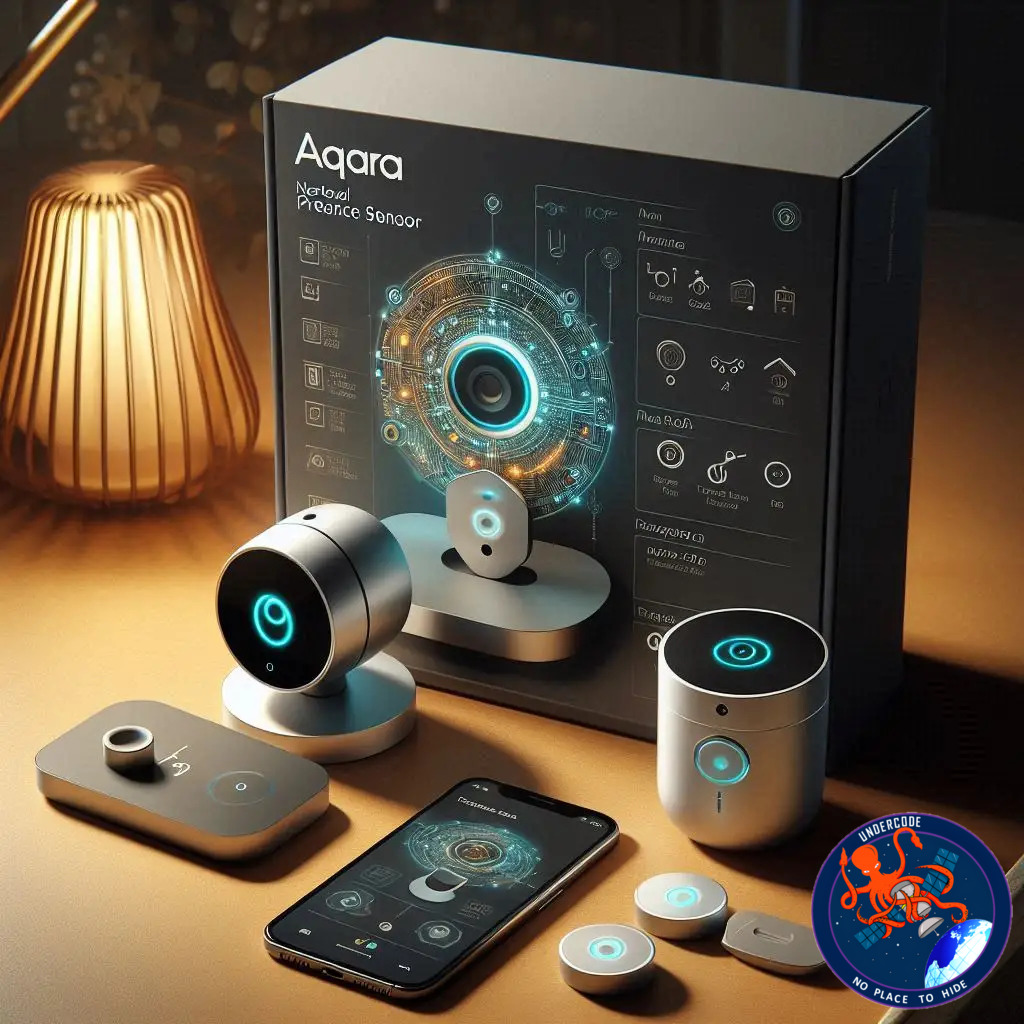
Apple HomeKit users looking for smarter, more reliable automations now have a compelling new option. Aqara has introduced the FP300 Presence Multi Sensor, designed to detect people in a room without the need for cameras while also monitoring light, temperature, and humidity. Combining traditional PIR motion sensing with advanced mmWave technology, the FP300 promises to make smart home automations more responsive, accurate, and privacy-conscious. With full Thread and Matter support, this sensor integrates seamlessly into the Home app, letting users build faster, room-aware automations with ease.
The FP300 Advantage for HomeKit Users
Presence detection is not the same as standard motion sensing. A typical PIR sensor detects movement but stops once someone remains still. The FP300’s mmWave technology solves this problem, identifying stationary occupants—whether reading, working at a desk, or relaxing on the couch—while PIR provides immediate detection for quick responses. This dual approach ensures lights, climate control, and other smart home devices respond intelligently, staying on only when someone is present and turning off precisely when rooms are empty.
Beyond presence, the FP300 reports environmental conditions including light levels, temperature, and humidity. This allows HomeKit to act as a “brain” for the room: automations can adjust lighting, climate, and ventilation based on real-time data, all through a single device.
Smart Home Automations Made Simple
Aqara FP300 opens the door to practical and personalized automations:
Room lighting: Lights can turn on automatically when presence is detected, dim after a period of stillness, and only shut off once the room is vacant.
Bedroom comfort: Fans or thermostats adjust automatically based on occupancy and temperature.
Office lighting: Desk lamps respond to changing light levels, switching from bright white to warmer tones depending on time of day and occupancy.
Humidity control: High humidity triggers ventilation, which turns off once the environment stabilizes.
Nighttime hallways: Soft night lights can illuminate hallways or children’s rooms between sunset and sunrise only when someone is present.
Thread and Matter: Faster, Smarter, More Reliable
Thread and Matter support make the FP300 especially compelling for HomeKit users. Thread ensures low-latency, low-power communication without relying on Wi-Fi, meaning sensors are faster and more responsive. Matter ensures the FP300 behaves like a native HomeKit accessory, easily integrating into scenes, automations, and room setups without requiring extra hubs beyond Apple TV or HomePod devices.
Where the FP300 Fits
The FP300 is versatile and works well in multiple spaces:
Living rooms: Maintain lighting while people are present.
Children’s rooms: Monitor motion, temperature, and humidity.
Entryways: Combine quick PIR wake-up with mmWave for smooth shutdown once rooms are empty.
For privacy-conscious HomeKit users, the FP300 offers a camera-free alternative that still tracks presence accurately. It can keep lights on only when needed, fans running efficiently, and automations responsive without capturing video or audio.
Key Specs
mmWave and PIR presence detection
Light, temperature, and humidity sensors
Matter support over Thread
Multi-year battery life
Compatible with HomeKit, Alexa, Google Home
Flexible mounting on walls, corners, or ceilings
What Undercode Say:
The Aqara FP300 is a significant step forward in home automation, offering a rare combination of advanced sensing, environmental monitoring, and seamless integration. Its dual detection system addresses a key limitation of traditional PIR sensors, making smart lighting and climate control more intuitive and less prone to premature shutdowns. The addition of mmWave sensing is particularly valuable in home offices or living spaces, where users often remain stationary for extended periods.
Thread and Matter support cannot be overstated. These protocols reduce lag and increase reliability, which is critical for presence-based automations. For HomeKit enthusiasts, this means automations respond in near real-time, providing a more polished and seamless smart home experience. Moreover, the environmental sensors elevate the FP300 from a simple presence detector to a small, multi-functional room controller. This opens opportunities for energy efficiency, comfort, and even safety—like humidity-triggered ventilation in bathrooms or kitchens.
From an installation standpoint, the FP300 is flexible and beginner-friendly. Battery operation eliminates the need for wiring, while the included bracket supports diverse placements. Its compatibility with Alexa and Google Home further enhances its appeal to users with multi-platform setups.
Privacy is another strength. In an era where camera-based sensors may raise concerns, the FP300’s camera-free detection reassures users while still enabling responsive, context-aware automations. It strikes a balance between automation intelligence and personal privacy.
In the broader context of the smart home market, Aqara’s FP300 positions itself as one of the most feature-rich and versatile presence sensors available today. It competes favorably against traditional motion sensors while addressing their limitations, and its multi-sensor functionality aligns with the growing trend toward all-in-one smart devices that reduce clutter and complexity.
For tech-savvy homeowners, FP300 could become central to living room, office, or bedroom automations, streamlining energy consumption and enhancing daily comfort. Its presence-sensing capabilities may also set new expectations for what smart homes can achieve without intrusive cameras, influencing future product designs in the industry.
Fact Checker Results:
✅ FP300 combines PIR and mmWave for enhanced presence detection.
✅ Thread and Matter support enables fast, reliable HomeKit integration.
❌ Not all automations are tested in real-world scenarios yet; user experience may vary.
Prediction:
The Aqara FP300 is likely to redefine presence-based automations for HomeKit users. 🌟 Expect wider adoption in privacy-conscious households and offices, where smart devices respond intelligently without cameras. Multi-sensor integration could become a new standard, driving competitors to offer similar combinations of environmental monitoring and presence detection. Over time, this may lead to smarter, more energy-efficient homes with fewer manual adjustments needed.
🕵️📝✔️Let’s dive deep and fact‑check.
References:
Reported By: 9to5mac.com
Extra Source Hub (Possible Sources for article):
https://www.reddit.com
Wikipedia
OpenAi & Undercode AI
Image Source:
Unsplash
Undercode AI DI v2
Bing
🔐JOIN OUR CYBER WORLD [ CVE News • HackMonitor • UndercodeNews ]
📢 Follow UndercodeNews & Stay Tuned:
𝕏 formerly Twitter 🐦 | @ Threads | 🔗 Linkedin | 🦋BlueSky | 🐘Mastodon


