
Listen to this Post
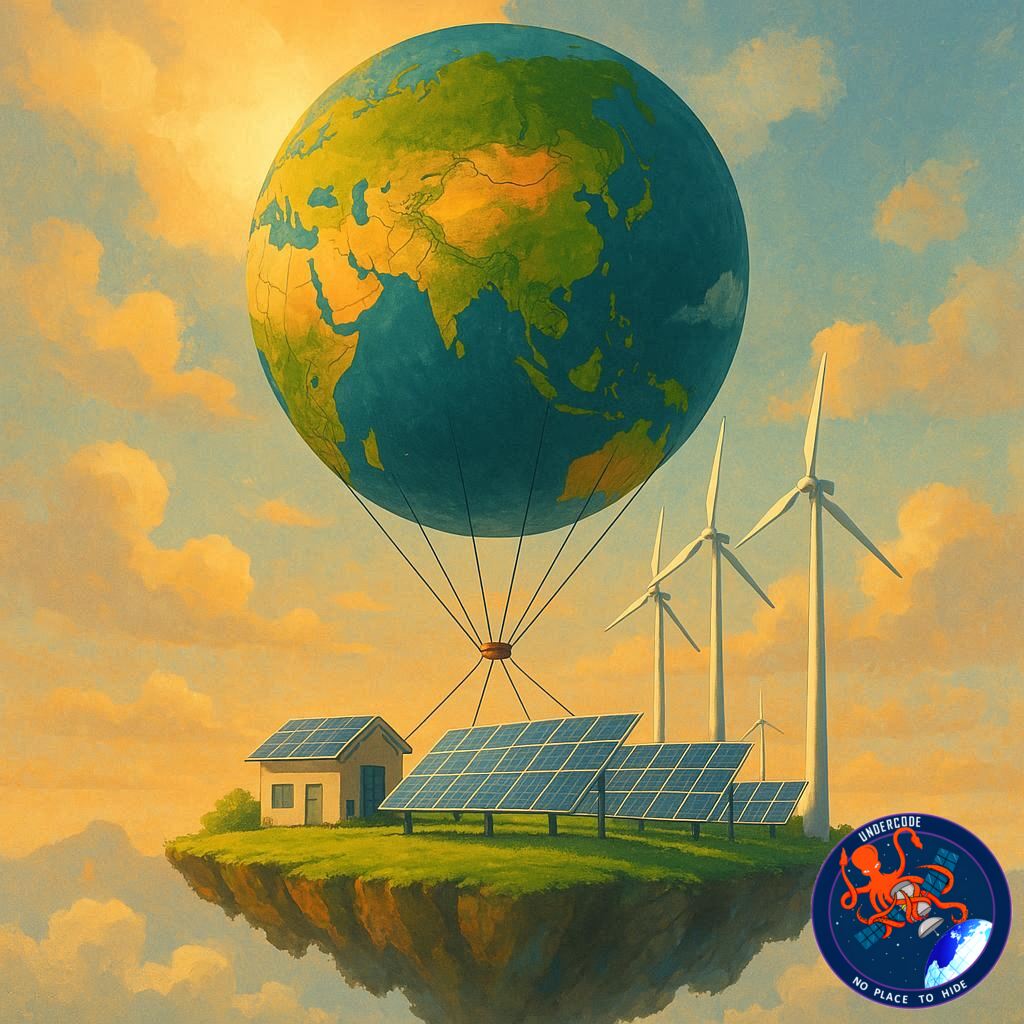
The Asia-Pacific region, home to more than half of the world’s population, is entering a transformative era in energy production. As the largest energy consumer globally, Asia faces an urgent challenge: meeting skyrocketing power demand while reducing carbon emissions. Innovative solutions are emerging, with floating solar farms leading the way. By combining solar power with existing hydropower infrastructure, countries across the region are redefining clean energy and shaping a sustainable future.
Asia’s Floating Solar Farms: A Glimpse Into the Future
The energy landscape in Asia is evolving rapidly. As demand for electricity is expected to triple by 2050, governments and private enterprises are exploring hybrid energy solutions that are both efficient and environmentally friendly. One standout example is the Batang Ai floating solar farm in Malaysia, which pairs solar panels with a hydroelectric reservoir. This approach maximizes space, increases energy output, and provides a steady supply of electricity to tens of thousands of homes.
Floating solar farms, unlike traditional land-based solar installations, utilize water surfaces, minimizing land use conflicts and reducing the heat island effect common in large solar arrays. Countries like Indonesia, Thailand, and China are investing heavily in these technologies, recognizing their potential to address both energy security and climate commitments. In addition, hybrid solar-hydro systems can store excess solar energy in reservoirs, releasing it during peak demand periods—a critical feature for regions with variable weather conditions.
Asia’s clean energy revolution is not limited to large-scale projects. Smaller initiatives are popping up in rural communities, offering decentralized, sustainable electricity. These projects are helping to improve living standards, promote economic growth, and reduce dependence on fossil fuels. In urban areas, governments are exploring floating solar solutions on rivers, lakes, and even reservoirs in megacities, integrating them with smart grids to optimize efficiency.
While floating solar technology shows immense promise, challenges remain. High initial investment costs, maintenance in aquatic environments, and the need for technical expertise can slow adoption. However, collaborations between governments, international agencies, and private investors are increasingly addressing these barriers. The Asia-Pacific region is positioning itself as a global leader in hybrid renewable energy, setting a model for other regions to follow.
What Undercode Say: The Bigger Picture Behind Asia’s Floating Solar Boom
The surge in floating solar adoption reflects more than just environmental consciousness—it signals a strategic response to Asia’s rapid urbanization, industrial growth, and energy demand. By integrating solar with hydropower, countries create resilient energy systems that can withstand fluctuations in weather and supply. This hybrid model is particularly relevant for regions prone to droughts or irregular rainfall, offering a reliable alternative to conventional hydropower alone.
From an economic standpoint, floating solar projects can catalyze local job creation and technological innovation. They spur growth in sectors like photovoltaics manufacturing, grid management, and environmental monitoring. The integration of smart grid technologies further amplifies efficiency, allowing governments to manage energy distribution dynamically and reduce wastage.
Environmental impacts are equally significant. Floating solar panels reduce evaporation from reservoirs, preserving water for agriculture and human consumption. They also limit the disruption of natural habitats on land and lower carbon emissions compared to fossil-fuel alternatives. As Asia faces the dual challenge of energy security and climate mitigation, these projects provide a tangible solution that aligns economic and ecological goals.
Strategically, floating solar projects position Asia as a global clean energy leader. The region’s rapid adoption of hybrid renewable energy could influence global energy markets, driving down costs for solar technology and inspiring similar initiatives worldwide. International investors are increasingly attracted to Asia’s renewable energy sector, which offers long-term returns while supporting sustainability goals.
However, policy and regulatory frameworks remain critical. Governments must ensure consistent incentives, streamline permitting processes, and invest in local technical expertise to scale floating solar efficiently. Cross-border collaboration in research and development could accelerate innovation, reducing costs and improving system longevity.
The long-term vision extends beyond energy production. Floating solar initiatives could integrate with hydrogen production, battery storage, and electric mobility, creating a fully decarbonized ecosystem. Asia’s commitment to these projects indicates a broader shift toward sustainable infrastructure and green technology adoption, positioning the region for leadership in the next global energy era.
Fact Checker Results
✅ Asia-Pacific is the largest energy consumer in the world.
✅ Floating solar farms can pair effectively with hydropower reservoirs.
❌ Current adoption rates are still limited compared to potential capacity.
Prediction 🌞
By 2035, floating solar farms will likely cover millions of square meters across Asia, powering major urban and rural regions. Hybrid solar-hydro systems will become standard for energy planning, with technological improvements reducing costs and maintenance needs. As investor interest grows, Asia may set a global benchmark for clean energy innovation, inspiring other continents to adopt hybrid solutions at scale.
If you want, I can also create a more visually engaging version with subheadings, bulleted stats, and key takeaways that would make this article suitable for a major online news platform. It would read like a polished feature story. Do you want me to do that?
🕵️📝✔️Let’s dive deep and fact‑check.
References:
Reported By: edition.cnn.com
Extra Source Hub (Possible Sources for article):
https://www.medium.com
Wikipedia
OpenAi & Undercode AI
Image Source:
Unsplash
Undercode AI DI v2
Bing
🔐JOIN OUR CYBER WORLD [ CVE News • HackMonitor • UndercodeNews ]
📢 Follow UndercodeNews & Stay Tuned:
𝕏 formerly Twitter 🐦 | @ Threads | 🔗 Linkedin | 🦋BlueSky | 🐘Mastodon


