
Listen to this Post
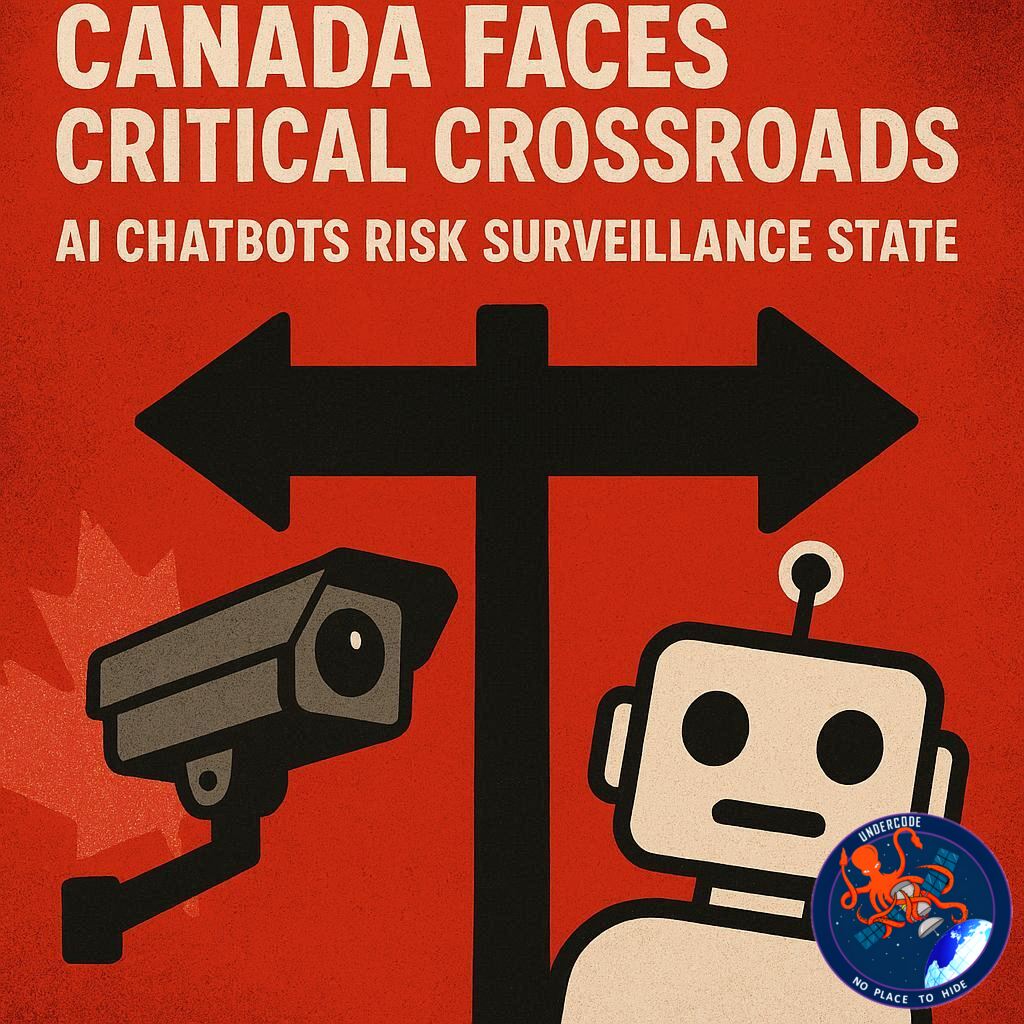
The tragic events in Tumbler Ridge, British Columbia, have reignited the urgent debate over the role of artificial intelligence in society. When reports surfaced that the assailant had planned his attack using ChatGPT, the Canadian government swiftly demanded answers from OpenAI. While public safety is paramount, Ottawa now stands at a delicate intersection: how to prevent future tragedies without creating a digital panopticon that undermines privacy, trust, and free expression. The debate is not just about AI; it is about the very boundaries between safety, ethics, and civil liberties in a modern democracy.
The Tumbler Ridge Incident and Its Immediate Aftermath
Following the massacre, victims filed lawsuits against OpenAI in British Columbia, alleging a “failure to warn” about the risks posed by AI systems. The Canadian government is considering requiring OpenAI and other AI labs to share massive datasets with law enforcement agencies, including the RCMP, as part of a preventative strategy. While these measures aim to stop potential violence, they carry the significant risk of establishing a surveillance apparatus within the intimate spaces where millions of Canadians interact with AI every day. Chatbots serve as digital diaries, brainstorming hubs, and emotional outlets, and mass monitoring could trigger fear, self-censorship, and widespread anxiety.
Privacy Versus Safety: The Core Tension
Canada’s emerging policies raise a critical distinction between privacy and safety. AI conversations are fundamentally different from social media posts—they are private, often exploratory, and sometimes emotionally raw. Treating these interactions as automatically incriminating would chill lawful speech protected under the Charter of Rights and Freedoms, leading users to self-censor and potentially driving vulnerable individuals away from digital spaces where they seek guidance or emotional relief. The danger lies not in policing violent intent but in normalizing the idea that private thoughts are automatically surveilled.
Lessons from History: The RCMP and the McDonald Commission
Canada’s historical experience with surveillance offers crucial context. In the 1970s, the RCMP was embroiled in a scandal for illegal surveillance, including opening mail and conducting warrantless searches. The McDonald Commission exposed the risks of allowing security agencies to operate without strong democratic oversight—a lesson that resonates today as AI systems could replicate the same logic of unchecked expansion under the guise of public safety. Technology may have changed, but the risk of overreach remains eerily familiar.
The Need for Narrow, Disciplined AI Reporting Frameworks
Any framework addressing AI-assisted violence must be precise, limited, and ethically grounded. Intervention should occur only in cases of credible, imminent threats, with clearly defined thresholds, due process, and strong privacy protections. Overbroad monitoring risks capturing ordinary, lawful, or even therapeutic expressions, turning the AI into a surveillance tool rather than a safety mechanism. De-escalation strategies, human review, and transparency must guide all AI reporting efforts.
AI as a Tool for De-escalation, Not Criminalization
AI systems should prioritize harm prevention through de-escalation. If a user appears to be spiraling toward dangerous behavior, the first step should be intervention within the AI interface—redirecting, warning, and connecting them to human support or crisis resources. Surprising users with law enforcement involvement should be a last resort. This approach safeguards both public safety and individual rights while preserving trust in AI as a tool rather than a threat.
Transparency, Data Minimization, and Public Trust
Trust in AI regulation depends on transparency. OpenAI and similar labs must publish clear policies, quarterly reports, aggregate referral data, and explanations of how escalations work. Data retention should be minimal, privacy by design should be standard, and end-to-end encryption should be implemented where feasible. Without these safeguards, the reporting infrastructure risks becoming a permanent digital panopticon.
Function Creep and the Danger of Normalized Surveillance
Once reporting pipelines exist, pressure to broaden them will only increase. Each tragedy can become a pretext for expanding thresholds, increasing monitoring, and normalizing retroactive scrutiny of private interactions. Canada must establish clear limits now to prevent AI safety mechanisms from evolving into a pervasive system of suspicion that affects millions of everyday users.
Building a Responsible AI Safety Framework
A mature AI safety model for Canada should include:
High reporting thresholds tied strictly to credible, imminent violence.
Prioritization of de-escalation and intervention before law enforcement involvement.
Public transparency and independent auditing.
Minimal data retention and privacy-focused architecture.
Strong human review and user awareness of what triggers escalation.
Explicit rejection of broad retroactive monitoring.
Such a system balances safety and privacy, ensuring that AI contributes to public well-being without eroding democratic freedoms.
What Undercode Says:
The Stakes Are Existential for Civil Liberties
Canada is at a pivotal moment where decisions about AI regulation will define privacy norms for decades. Treating intimate AI conversations as quasi-public data risks normalizing state intrusion into every private thought. The Tumbler Ridge tragedy is real, but policy responses must not compound harm by chilling lawful speech or driving vulnerable populations underground.
Narrow Scope and Contextual Awareness Are Essential
Broad, reactive surveillance measures often overreach. Effective frameworks should focus narrowly on imminent threats while accounting for context, intent, and human complexity. This requires AI systems that are transparent, explainable, and designed to intervene humanely rather than coercively.
Lessons from History Are Still Relevant
Canada’s prior surveillance scandals, especially those uncovered by the McDonald Commission, illustrate the dangers of function creep. Legal discipline and clear democratic oversight are indispensable for preventing the digital replication of historical mistakes. Without these guardrails, well-intentioned policies could inadvertently create an AI panopticon.
AI Can Support Mental Health and Public Safety
Generative AI is not just a potential threat—it can be a tool for emotional support, crisis intervention, and harm reduction. Properly regulated, AI can detect early signs of distress and guide users to help, reducing the need for coercive enforcement and enhancing both safety and well-being.
The Role of Transparency in Public Trust
Clear, public reporting and accountability mechanisms are crucial. Users must understand how data is used, what triggers escalation, and how errors are handled. Transparency prevents distrust and ensures that AI safety measures do not morph into secretive surveillance programs.
Minimal Data Retention Protects Democratic Values
Limiting the collection and retention of AI chat data protects privacy and reduces the risk of retroactive surveillance. End-to-end encryption and local processing should be prioritized wherever feasible, preserving the sanctity of personal digital spaces.
De-escalation First: A Pragmatic Safety Principle
AI interventions should prioritize slowing down dangerous behavior, providing resources, and redirecting users rather than immediately escalating to law enforcement. This approach is safer, more ethical, and aligned with public health principles, preventing unintended harm while respecting rights.
Avoiding Normalization of Suspicion
If Canadians internalize that private AI conversations can be surveilled, it alters societal behavior, inducing self-censorship and eroding trust. Policy must explicitly reject normalizing suspicion as the default, maintaining digital spaces as safe for private thought.
AI Safety Is Not Synonymous with Mass Surveillance
Effective safety frameworks distinguish between credible imminent threats and speculative concerns. Blurring this line undermines both efficacy and civil liberties, creating a system where risk aversion overrides human judgment and privacy.
Accountability Mechanisms Must Be Strong
Independent auditing, human oversight, and clear escalation rules ensure that mistakes do not cause irreparable harm. False positives are inevitable, but disciplined review and transparency reduce their consequences and maintain public confidence in AI governance.
🔍 Fact Checker Results
Reports linking the Tumbler Ridge assailant to ChatGPT are based on verified news sources. ✅
Lawsuits against OpenAI in British Columbia for “failure to warn” are factual and publicly filed. ✅
Canada’s RCMP surveillance scandals in the 1970s are well-documented through the McDonald Commission. ✅
📊 Prediction
If Canada enacts broad AI reporting requirements without stringent safeguards, a surveillance culture is likely to emerge, chilling lawful digital expression. Conversely, a narrow, transparency-driven framework could position Canada as a global leader in AI safety, balancing public security with privacy and civil liberties.
🕵️📝✔️Let’s dive deep and fact‑check.
References:
Reported By: huggingface.co
Extra Source Hub (Possible Sources for article):
https://www.linkedin.com
Wikipedia
OpenAi & Undercode AI
Image Source:
Unsplash
Undercode AI DI v2
Bing
🔐JOIN OUR CYBER WORLD [ CVE News • HackMonitor • UndercodeNews ]
📢 Follow UndercodeNews & Stay Tuned:
𝕏 formerly Twitter 🐦 | @ Threads | 🔗 Linkedin | 🦋BlueSky | 🐘Mastodon


