
Listen to this Post
A Sudden Cybersecurity Alert That Raises Alarms
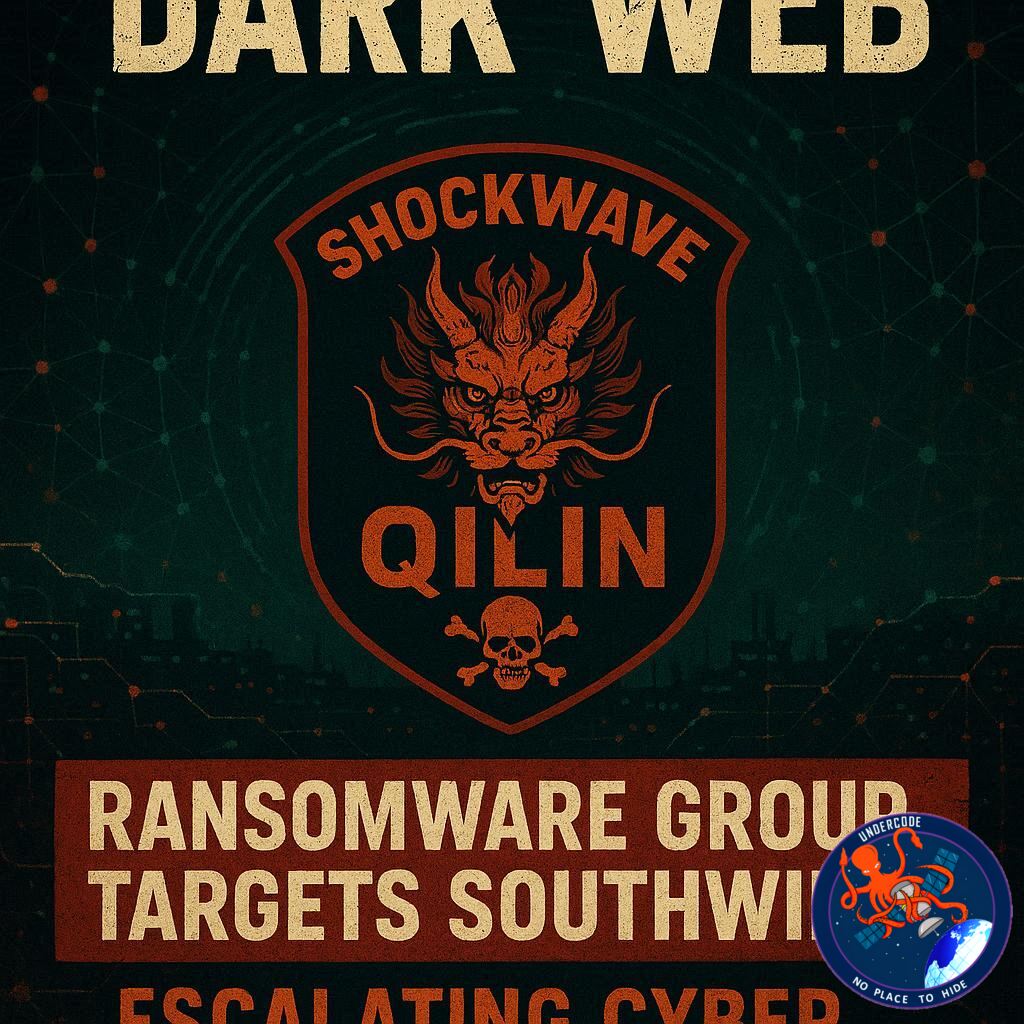
A fresh cybersecurity alert has emerged from dark web monitoring channels, signaling yet another high-profile ransomware incident. According to intelligence gathered by ThreatMon’s monitoring systems, the ransomware group known as Qilin has reportedly added Southwire to its growing list of victims. The announcement surfaced on March 22, 2026, sparking concern across cybersecurity communities and corporate sectors alike.
The Dark Web Signal Behind the Attack
The information originates from tracked activity on dark web forums, where ransomware groups often publicize their breaches to pressure victims into paying. ThreatMon’s Threat Intelligence Team detected the post and flagged it as part of ongoing ransomware surveillance efforts. While such claims are not always immediately verified, they are widely regarded as early indicators of potential data breaches or extortion campaigns.
Southwire Enters the Spotlight
Southwire, a major player in the manufacturing and electrical infrastructure industry, now finds itself in the crosshairs of cybercriminals. Being named by a ransomware group typically implies that sensitive data may have been exfiltrated or that systems were compromised. The extent of the damage, however, remains unclear at this stage, as no official confirmation or detailed disclosure has been released.
A Pattern of Escalating Attacks
This incident is not isolated. On the same day, another ransomware group—SilentRansomGroup—reportedly listed Phelps Dunbar as a victim. The clustering of multiple attacks within a short timeframe highlights a broader surge in ransomware operations, suggesting coordinated or opportunistic campaigns targeting organizations across different sectors.
The Role of Threat Intelligence Platforms
ThreatMon, the platform responsible for identifying these incidents, specializes in tracking Indicators of Compromise (IOC) and Command-and-Control (C2) infrastructure. Its detection capabilities rely heavily on monitoring dark web activity, where ransomware groups often leak or threaten to leak stolen data. Such intelligence plays a crucial role in early detection and response.
The Psychology of Ransomware Exposure
Publicly naming victims is a strategic move by ransomware groups. It increases pressure on organizations by exposing them to reputational risk, regulatory scrutiny, and potential financial consequences. This tactic has become a standard part of double-extortion schemes, where attackers demand payment not only to restore systems but also to prevent data leaks.
Uncertainty Surrounding Verification
At this stage, the claim remains unverified by Southwire or independent cybersecurity audits. Dark web announcements can sometimes exaggerate or misrepresent the scale of a breach. However, they are rarely baseless, making it critical for organizations and stakeholders to treat such reports with caution and urgency.
What Undercode Say:
The Growing Sophistication of Ransomware Ecosystems
Ransomware groups like Qilin are no longer isolated hacking units; they operate as structured ecosystems with affiliates, developers, and negotiators. This evolution has made attacks more efficient and scalable, enabling them to target large enterprises like Southwire with alarming precision. The industrial sector, in particular, has become a prime target due to its reliance on operational continuity.
Manufacturing Sector: A High-Value Target
Southwire’s presence in critical infrastructure supply chains makes it an attractive target. Disruptions in such companies can ripple across industries, affecting construction, energy, and telecommunications. Attackers understand this leverage and exploit it to demand higher ransoms, often calculated in millions of dollars.
Timing and Coordination of Attacks
The near-simultaneous appearance of multiple victims on the same day suggests either coordinated campaigns or a surge in opportunistic attacks. This pattern could indicate that ransomware groups are capitalizing on shared vulnerabilities, possibly exploiting newly discovered software flaws or misconfigured systems.
Dark Web as a Strategic Communication Channel
The dark web has become the primary stage for ransomware operations. It is not just a marketplace but also a communication platform where attackers control the narrative. By publicly listing victims, they create a sense of inevitability and urgency, pushing companies toward quick settlements.
The Role of Cybersecurity Intelligence in Modern Defense
Platforms like ThreatMon are increasingly essential in this landscape. Early detection through dark web monitoring allows organizations to prepare responses even before official breach confirmations. However, reliance on such intelligence also highlights the reactive nature of current cybersecurity strategies.
The Silent Cost of Cyberattacks
Beyond financial losses, ransomware incidents carry hidden costs—legal liabilities, customer trust erosion, and long-term reputational damage. For companies like Southwire, the impact could extend far beyond immediate operational disruptions.
Lack of Transparency and Its Risks
One of the persistent challenges in ransomware incidents is delayed disclosure. Companies often hesitate to confirm breaches due to legal and reputational concerns. This delay can hinder broader awareness and prevent other organizations from taking preventive measures.
The Evolution of Double and Triple Extortion
Modern ransomware attacks often involve multiple layers of extortion. In addition to encrypting data, attackers may threaten to leak sensitive information or launch further attacks. This multi-pronged approach increases pressure on victims and complicates response strategies.
Cybersecurity Preparedness Still Lagging
Despite increasing awareness, many organizations remain underprepared. Legacy systems, insufficient employee training, and lack of robust incident response plans continue to create vulnerabilities that ransomware groups exploit.
Regulatory Pressure Is Increasing
Governments worldwide are tightening regulations around data breaches and cybersecurity practices. Incidents like this could trigger investigations, fines, and mandatory disclosures, adding another layer of complexity for affected companies.
The Human Factor in Cybersecurity
Employees often serve as the first line of defense—and the weakest link. Phishing attacks, credential theft, and social engineering remain common entry points for ransomware groups. Strengthening human awareness is as critical as deploying advanced security tools.
Global Implications of Local Breaches
Even if the attack is localized, its implications can be global. Supply chain disruptions and data leaks can affect partners, clients, and markets worldwide, amplifying the impact of a single breach.
The Role of Public Awareness
Public reporting of such incidents, even when unverified, plays a role in raising awareness. It forces organizations to reassess their security posture and encourages industry-wide vigilance.
🔍 Fact Checker Results
Verification Status of the Claim
❌ The ransomware claim involving Southwire has not yet been officially confirmed by the company.
Credibility of the Source
✅ ThreatMon is a recognized threat intelligence platform known for monitoring dark web activity.
Pattern Consistency
✅ Similar ransomware announcements frequently precede confirmed breaches, lending partial credibility to the report.
📊 Prediction
Escalation of Ransomware Targeting Industrial Giants
Ransomware groups are likely to intensify their focus on manufacturing and infrastructure companies due to their high operational stakes.
Increased Use of Public Exposure Tactics
Public victim listings on the dark web will become more aggressive, with faster disclosures and more detailed leaks.
Stronger Regulatory and Corporate Response
This incident may accelerate investments in cybersecurity defenses and push organizations toward stricter compliance and transparency standards.
🕵️📝✔️Let’s dive deep and fact‑check.
References:
Reported By: x.com
Extra Source Hub (Possible Sources for article):
https://www.quora.com/topic/Technology
Wikipedia
OpenAi & Undercode AI
Image Source:
Unsplash
Undercode AI DI v2
Bing
🔐JOIN OUR CYBER WORLD [ CVE News • HackMonitor • UndercodeNews ]
📢 Follow UndercodeNews & Stay Tuned:
𝕏 formerly Twitter 🐦 | @ Threads | 🔗 Linkedin | 🦋BlueSky | 🐘Mastodon


