
Listen to this Post
Introduction
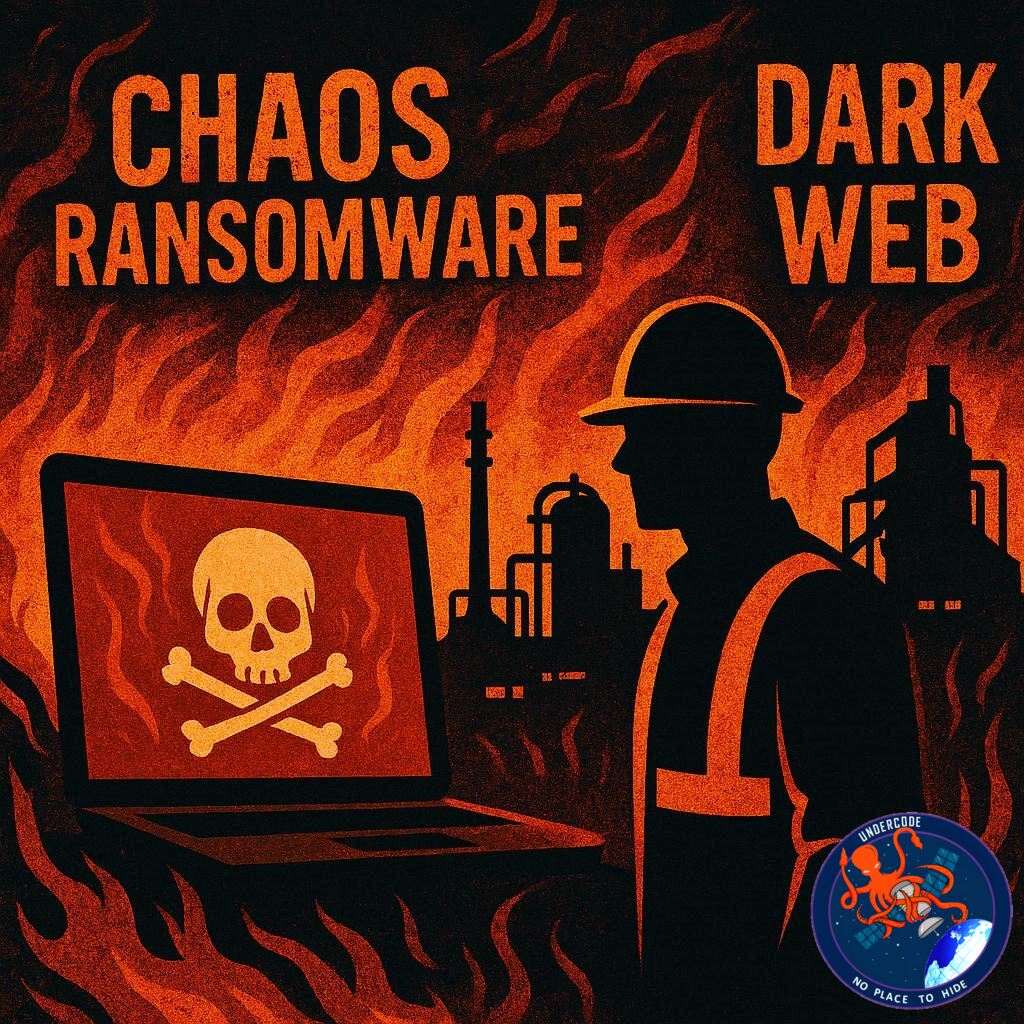
A fresh wave of ransomware activity is putting industrial and engineering companies under pressure after the notorious Chaos ransomware group reportedly added two major firms to its growing victim list. Cyber threat monitoring platform ThreatMon detected the activity on the dark web, identifying both Fall Protection Systems and CST Industries as newly listed targets. The development highlights the escalating risks facing manufacturing, engineering, and industrial infrastructure companies as ransomware gangs continue shifting their focus toward organizations tied to critical workplace operations and supply chains.
The incident has reignited concerns across the cybersecurity community, especially because companies connected to worker safety and industrial manufacturing often hold sensitive engineering documents, infrastructure blueprints, internal compliance records, and customer databases that can become valuable leverage during extortion attempts.
Chaos Ransomware Expands Its Victim List
Threat intelligence observers reported that the Chaos ransomware operation added Fall Protection Systems, accessible through fallprotect.com, to its leak portal on May 17, 2026. The company is known for engineering and manufacturing OSHA-compliant fall arrest systems and workplace safety equipment designed to protect industrial workers operating at height.
Shortly afterward, CST Industries was also allegedly listed by the same ransomware group. CST Industries is widely recognized in industrial sectors for manufacturing storage tanks, domes, and engineered containment systems used across energy, water, mining, and agriculture industries.
The appearance of these companies on ransomware leak sites typically indicates one of several scenarios: successful network intrusion, data theft, extortion attempts, or ongoing negotiations between attackers and victims. While public listings do not always confirm full encryption events, they often serve as pressure tactics intended to force companies into ransom discussions.
Industrial Companies Becoming Prime Targets
The latest attacks demonstrate a growing trend in cybercrime where ransomware operators increasingly focus on industrial and engineering sectors rather than only traditional corporate enterprises. Industrial firms often operate legacy infrastructure, specialized operational technology systems, and interconnected manufacturing environments that are harder to secure than standard office networks.
Attackers understand that downtime inside industrial environments can create immediate financial consequences. Delays in manufacturing, engineering disruptions, or interrupted supply chains can pressure victims into paying quickly to restore operations.
Companies specializing in workplace safety equipment may also possess proprietary engineering designs, certifications, and compliance documentation that attackers consider valuable during extortion campaigns.
Why the Chaos Group Is Drawing Attention
The Chaos ransomware brand has appeared repeatedly in cyber threat reports over recent years. While some versions of Chaos malware were initially associated with amateur ransomware builders, newer operations using the name have evolved into more organized extortion-focused campaigns.
Modern ransomware gangs no longer rely solely on encrypting files. Many now steal sensitive data before deploying malware, allowing them to threaten public leaks even if victims restore systems from backups. This “double extortion” model has become one of the most effective psychological weapons used by cybercriminal groups.
Threat actors also exploit public leak blogs on the dark web to generate fear, media attention, and reputational damage. Merely appearing on these sites can create uncertainty among customers, investors, and business partners.
Fall Protection Systems Faces Potential Reputational Risk
For a company focused on workplace safety and engineering reliability, being linked to a ransomware incident can trigger reputational concerns beyond immediate technical damage. Clients working in construction, infrastructure, oil and gas, or industrial sectors typically expect strong operational resilience from safety-oriented vendors.
If sensitive project data or engineering documentation were compromised, the consequences could extend beyond financial losses into contractual and regulatory complications.
Organizations handling industrial safety systems are particularly vulnerable to reputational fallout because trust plays a major role in long-term customer relationships.
CST Industries and the Threat to Critical Infrastructure Supply Chains
The alleged targeting of CST Industries raises broader concerns about critical infrastructure suppliers becoming increasingly exposed to cyber extortion campaigns. Industrial storage systems and containment technologies are often connected to essential sectors including water management, energy distribution, and agriculture.
Cybersecurity analysts have repeatedly warned that attacks against suppliers can create ripple effects throughout interconnected industries. Even when ransomware incidents only impact corporate IT systems, operational disruptions can spread across customer networks and logistics chains.
This growing interconnectedness makes industrial vendors attractive targets for ransomware operators seeking maximum leverage.
What Undercode Says:
Cybercriminals Are Following the Money
Ransomware groups have become highly strategic in choosing victims. Instead of randomly attacking small businesses, modern cybercriminal operations now focus on industries where downtime creates immediate financial panic. Engineering and manufacturing companies fit that profile perfectly because interruptions can halt construction projects, delay industrial operations, and trigger contractual penalties.
The Chaos group’s latest alleged victims reinforce this evolving strategy. Safety engineering firms and industrial manufacturers are deeply embedded within larger supply ecosystems, meaning attackers may view them as gateways to broader disruption.
Dark Web Leak Sites Are Psychological Weapons
One important aspect many readers overlook is the purpose of dark web leak blogs themselves. These sites are not only used for publishing stolen data. They function as intimidation platforms designed to publicly pressure victims.
Once a company appears on a ransomware leak portal, the damage begins immediately even before any data is released. Customers start questioning security practices. Partners begin reviewing risks. Competitors may exploit the uncertainty. Investors can panic. The psychological pressure alone often becomes part of the extortion model.
This strategy explains why ransomware groups publicly announce victims even while negotiations may still be ongoing behind the scenes.
Industrial Cybersecurity Remains Alarmingly Weak
Despite years of warnings, many industrial organizations continue relying on outdated cybersecurity frameworks. Operational technology environments are notoriously difficult to secure because production systems are often designed for stability rather than cyber resilience.
In many industrial companies, legacy systems remain active for decades. Patching them can risk operational downtime, so updates are delayed or ignored entirely. Threat actors understand this weakness and increasingly exploit it.
Engineering firms also tend to prioritize physical safety over digital security. Ironically, companies that build systems designed to protect workers physically may still be highly vulnerable digitally.
Ransomware Has Become a Full Business Model
Modern ransomware operations now resemble corporations more than underground hacker groups. Many run affiliate programs, customer support systems for negotiations, revenue-sharing arrangements, and organized leak infrastructures.
Groups like Chaos benefit from the broader ransomware-as-a-service ecosystem, where malware developers, access brokers, negotiators, and data leak operators work together in coordinated criminal networks.
This industrialization of cybercrime explains why ransomware incidents continue accelerating globally despite improved awareness campaigns.
Supply Chain Attacks Could Be the Bigger Story
The larger concern surrounding incidents like these may not even be the direct victims themselves. The real danger lies in interconnected suppliers, contractors, and customers.
Industrial ecosystems rely heavily on third-party vendors sharing engineering files, procurement systems, operational schedules, and technical documentation. Once attackers compromise one organization, they may gain indirect pathways into much larger networks.
This makes engineering firms especially dangerous entry points for sophisticated threat actors.
Public Reporting Does Not Always Reveal the Full Damage
When ransomware victims become publicly listed, the public usually sees only fragments of the incident. Companies often avoid disclosing the scale of breaches immediately due to legal reviews, forensic investigations, or negotiation sensitivity.
In some cases, stolen data may include customer contracts, internal blueprints, financial records, HR information, or confidential industrial documentation. The true impact may only emerge weeks or months later.
This delay often creates confusion and speculation, which ransomware gangs exploit to maximize pressure.
Reputation Damage Can Outlast Technical Recovery
Even if affected companies recover systems successfully, reputational scars can persist for years. Clients increasingly evaluate cybersecurity posture as part of supplier trustworthiness.
For firms operating in industrial safety sectors, trust is everything. Customers expect reliability, resilience, and operational maturity. Cybersecurity incidents can undermine that confidence quickly.
The long-term business implications sometimes become more damaging than the initial ransomware disruption itself.
🔍 Fact Checker Results
✅ ThreatMon Publicly Reported the Listings
ThreatMon did publicly post alerts on X claiming that both Fall Protection Systems and CST Industries were added to the Chaos ransomware victim list on May 17, 2026.
✅ No Official Breach Confirmation Yet
As of now, there is no public confirmation from either company verifying the full extent of the alleged compromise or whether sensitive data was stolen.
❌ Leak Site Listings Do Not Automatically Confirm Encryption
Being listed on a ransomware leak site does not always prove systems were encrypted. Some groups publish victims purely to pressure organizations during extortion attempts.
📊 Prediction
Industrial Firms Will Face Intensifying Cyberattacks
Ransomware gangs are expected to continue targeting industrial engineering firms throughout 2026 because these organizations combine valuable data with high operational urgency. Companies connected to manufacturing, infrastructure, workplace safety, logistics, and energy systems will likely remain priority targets for extortion campaigns.
Supply Chain Extortion Will Become More Common
Future ransomware attacks may increasingly focus on suppliers rather than primary corporations. Attackers recognize that compromising one specialized vendor can create cascading pressure across multiple industries simultaneously.
Regulatory Pressure on Industrial Cybersecurity Will Increase
Governments and regulators are likely to introduce stricter cybersecurity compliance requirements for industrial and engineering firms following the continued rise of ransomware incidents targeting infrastructure-related sectors.
🕵️📝Let’s dive deep and fact‑check.
References:
Reported By: x.com
Extra Source Hub (Possible Sources for article):
https://www.quora.com
Wikipedia
OpenAi & Undercode AI
Image Source:
Unsplash
Undercode AI DI v2
Bing
🔐JOIN OUR CYBER WORLD [ CVE News • HackMonitor • UndercodeNews ]
📢 Follow UndercodeNews & Stay Tuned:
𝕏 formerly Twitter 🐦 | @ Threads | 🔗 Linkedin | 🦋BlueSky | 🐘Mastodon


