
Listen to this Post
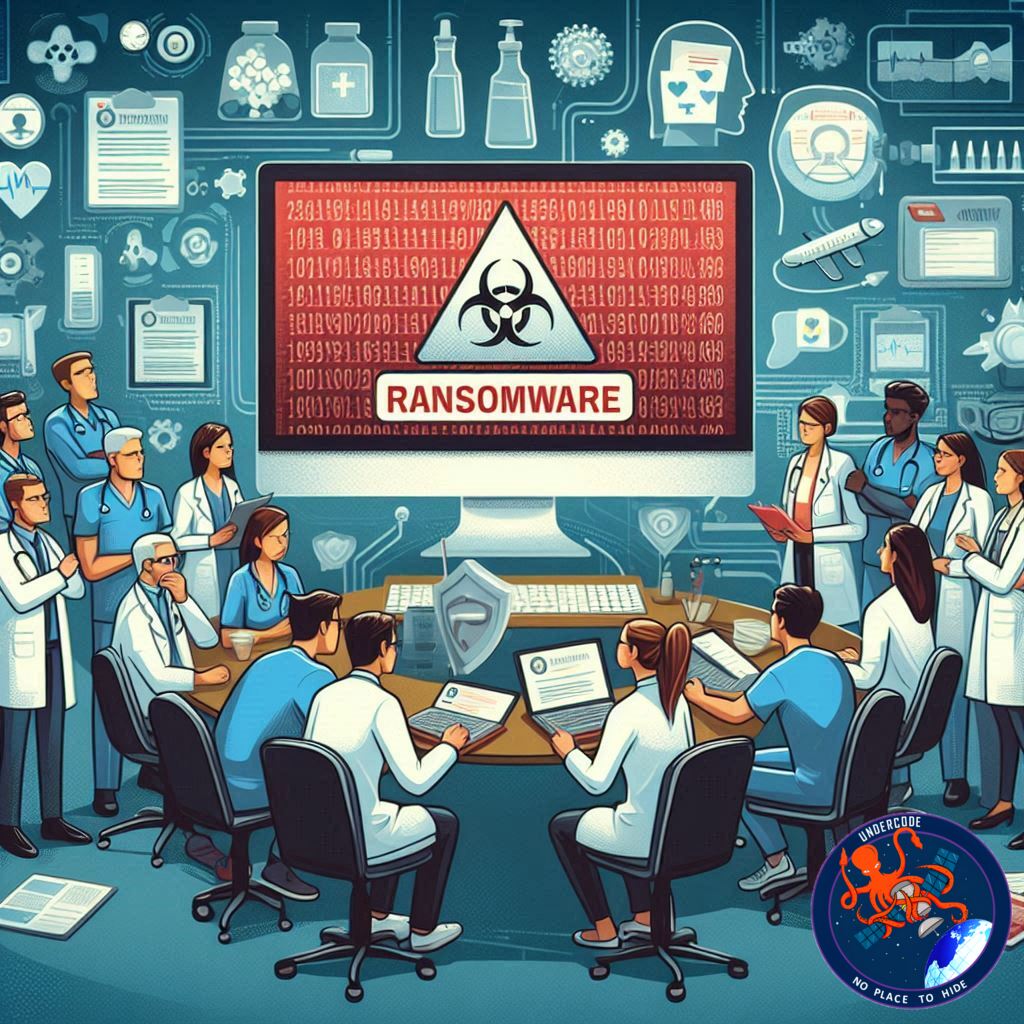
Introduction To A Silent Digital Emergency
A major cybersecurity disruption has shaken the healthcare technology sector. INTEGRALIFE, a well-known US medical technology company, has reportedly been targeted by the Clop ransomware group. The attack has raised new concerns about how exposed the healthcare industry has become as cybercriminals continue to evolve their methods. With proprietary medical data potentially at risk, and operational systems affected, this event is another sign of a rapidly escalating threat landscape surrounding digital health operations. What follows is a full exploration of what happened, why it matters, and what deeper lessons can be drawn from this attack.
Overview Of The Reported Incident
A cybersecurity news source reported that Clop ransomware operators targeted INTEGRALIFE. The attack appeared to compromise internal systems and possibly sensitive proprietary healthcare information. This is not the first time healthcare companies have faced ransomware, but the scale and sophistication of such attacks continue to grow. The healthcare industry’s reliance on interconnected systems, combined with valuable data repositories, has made it an irresistible target.
Description Of The Targeted Company
INTEGRALIFE operates as a US-based medical technology company, specializing in proprietary healthcare products and clinical innovations. With large volumes of patient-related research, intellectual property, manufacturing data, and operational medical technologies, the organization represents a treasure trove for ransomware operators.
The Role Of Clop Ransomware In Modern Cybercrime
Clop ransomware is infamous for high-impact attacks that involve data exfiltration, followed by encryption and extortion. This group has repeatedly targeted major institutions across sectors. Their strategy typically involves infiltrating networks through phishing, supply-chain weaknesses, or credential compromise.
Why Healthcare Continues To Be A Target
Healthcare firms often rely on legacy systems, inconsistent update cycles, and complex internal infrastructures. This combination creates a digital ecosystem that is difficult to secure. Attackers exploit any weakness, knowing that medical organizations cannot afford extended downtime.
Potential Consequences Of The Breach
When a company like INTEGRALIFE faces a ransomware event, several risks emerge. Sensitive proprietary data may be leaked or sold, intellectual property can be compromised, and disrupted operations may impact clinical workflows. If the attack impacts technology supporting patient care, the consequences may extend far beyond digital harm.
Wider Impact On The Healthcare Sector
This incident is part of a broader trend. Hospitals, pharmaceutical firms, med-tech companies, and research institutions have all faced waves of cyberattacks. With threat actors becoming more professionalized, the cost and frequency of ransomware events have increased dramatically in the last few years.
How This Attack Was Reported
Cybersecurity News Everyday (via @TweetThreatNews) first highlighted the incident, noting the compromise of systems and the risk to healthcare data. The report originated from hendryadrian.com and emphasized the urgent need for improved cybersecurity protections across the healthcare landscape.
What Undercode Say:
Assessment Of INTEGRALIFE’s Vulnerability
The attack on INTEGRALIFE illustrates a concerning gap in resilience among healthcare technology firms. Many medical enterprises hold valuable intellectual property yet still depend on outdated cybersecurity frameworks. These environments create an uneven defense system that modern ransomware groups easily exploit.
The Strategic Value Of Medical Technology Data
Medical technology data differs significantly from ordinary corporate information. It includes device design, manufacturing standards, experimental research, regulatory filings, and clinical trial insights. Threat actors recognize the monetary and strategic value of this data. The breach of such assets can influence competitive landscapes, delay medical innovation, and compromise patient-centered technologies.
The Unresolved Weakness In Healthcare Infrastructure
Healthcare systems traditionally emphasize operational continuity over security innovation. As a result, cybersecurity often plays a secondary role. Many facilities prioritize patient care and go live with complex systems that lack granular monitoring, segmentation, and rapid-response capabilities. Clop ransomware thrives in environments where visibility is weak and patching cycles are slow.
Impact On Medical-Grade Technology Networks
INTEGRALIFE’s systems likely include embedded operational software, manufacturing controls, and research databases. Any type of compromise across these areas can lead to cascading effects. Even temporary shutdowns can delay product shipments, interrupt data collection, or disable mission-critical design environments. Clop operators understand that companies under pressure will more often pay ransoms to restore functionality quickly.
Why Ransomware Groups Target Healthcare Supply Chains
Ransomware groups increasingly choose healthcare supply chains because one successful breach can give them leverage over multiple dependent systems. INTEGRALIFE serves hospitals, clinics, and research sites. An attack against them threatens not only their internal operations but also the reliability of technologies downstream.
Potential Regulatory Ramifications
US regulators take healthcare data protection very seriously. Any potential loss of proprietary or sensitive information may require reporting to federal agencies. Investigations, audits, and penalties could follow. Regulatory scrutiny typically increases after large-scale ransomware events, pushing companies to overhaul their cybersecurity posture.
The Psychological Impact Of Cyberattacks In Healthcare
Cyberattacks on healthcare systems are emotionally charged. Unlike retail or entertainment companies, healthcare entities deal with life-sustaining technology. When a medical tech firm is breached, trust becomes a critical currency. Patients, clinicians, and investors often react strongly to news of compromised systems.
Why Clop Remains A Persistent Global Threat
Clop has shown a long track record of striking high-value targets. Their operations include double extortion, leverage of stolen data, and strategic timing. They often attack organizations during holidays or low-staff periods, increasing their chances of success. Their ransomware builds on mature infrastructure and efficient monetization channels.
Long-Term Implications For Healthcare Cybersecurity
If incidents like the INTEGRALIFE attack continue, healthcare organizations may be forced to reconfigure their cyber defense models. That could include adopting real-time monitoring platforms, zero-trust architectures, and more aggressive patching cycles. The future of healthcare technology depends heavily on the ability to shield sensitive systems from ongoing criminal activity.
Economic Ripple Effects
A ransomware event does not only impact the targeted company. Delays in production, shipment disruptions, and legal costs can ripple throughout the healthcare market. Prices may rise, insurance premiums may increase, and new product launches may be delayed. Cyberattacks indirectly affect patients, medical staff, and partners across the industry.
Industry Response To The Attack
Incidents like this typically motivate the industry to invest more heavily in modern cybersecurity tools. Threat intelligence platforms, attack-surface mapping, and automated defense solutions are becoming essential. INTEGRALIFE’s experience may motivate other medical companies to audit their risk exposure more thoroughly.
Future Trends In Medical Cyber Defense
Healthcare cyber defense is shifting toward predictive analytics. Security teams no longer wait for breaches but attempt to forecast attack patterns. Ransomware groups like Clop force organizations to rethink their strategies. The next decade will likely see increased automation, portable security agents, and advanced anomaly detection tools.
Fact Checker Results
The incident was reported by a credible cybersecurity news source.
The involvement of Clop ransomware aligns with known threat patterns.
The risk to proprietary healthcare data appears consistent with the company’s industry. ✅
Prediction
Ransomware attacks targeting medical technology firms will increase.
Healthcare supply chains will face new waves of advanced extortion campaigns.
Companies like INTEGRALIFE may accelerate cybersecurity investments to avoid future incidents.
🕵️📝✔️Let’s dive deep and fact‑check.
References:
Reported By: x.com
Extra Source Hub (Possible Sources for article):
https://www.reddit.com/r/AskReddit
Wikipedia
OpenAi & Undercode AI
Image Source:
Unsplash
Undercode AI DI v2
Bing
🔐JOIN OUR CYBER WORLD [ CVE News • HackMonitor • UndercodeNews ]
📢 Follow UndercodeNews & Stay Tuned:
𝕏 formerly Twitter 🐦 | @ Threads | 🔗 Linkedin | 🦋BlueSky | 🐘Mastodon


