
Listen to this Post
Introduction
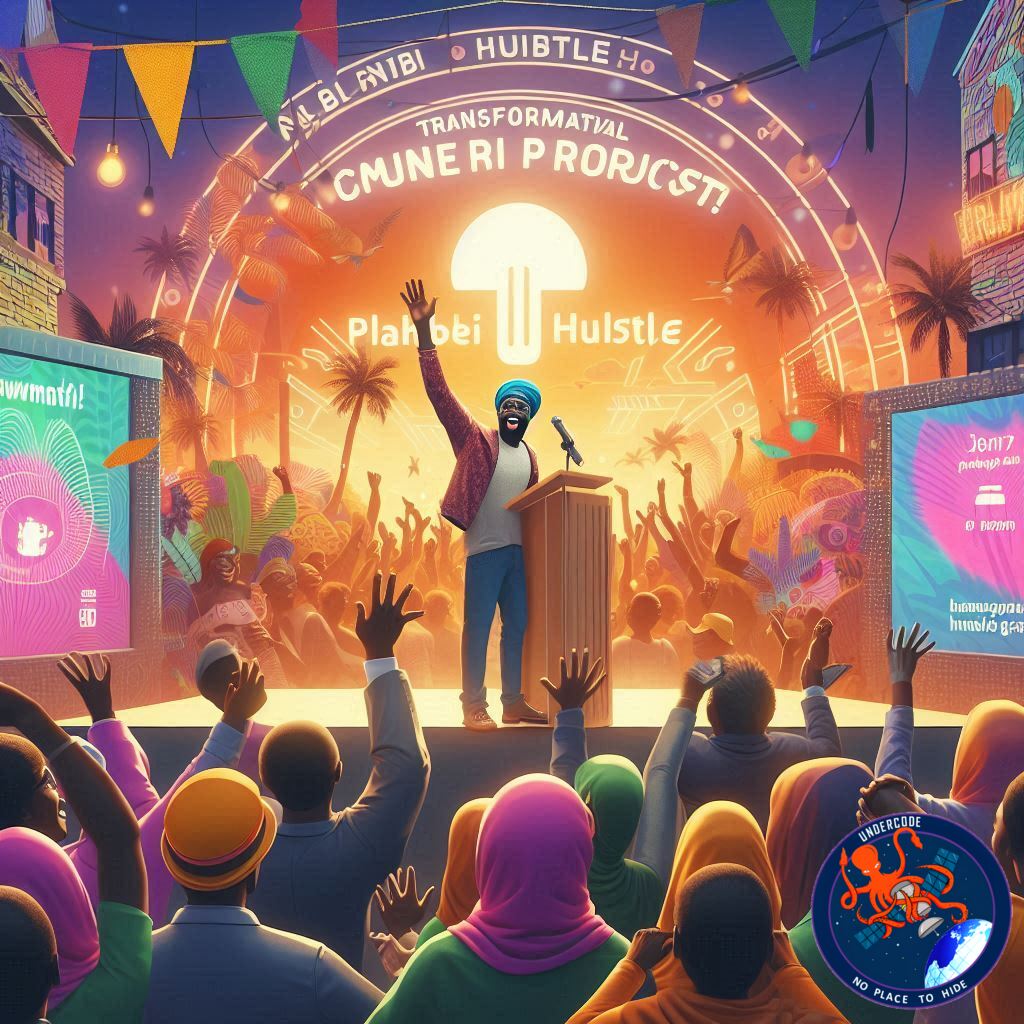
Across Nigeria, thousands of small entrepreneurs push through daily obstacles with little more than grit, vision, and a belief that tomorrow can be better. Among them is Shehu, a determined digital innovator from Kebbi State whose work has become a lifeline for young people longing for opportunity. His hub trains students in cybersecurity, AI, and digital literacy, turning a simple shop into a center of transformation. Yet, like many Nigerian creators, he was held back by one persistent enemy: the unstable electricity supply that constantly shut down his dreams. When Shehu submitted his video entry for the PalmPay Hustle Grant, he shared this frustration openly. Days later, everything changed.
Below is a detailed summary of the original article, followed by deeper analysis and insights.
How a Kebbi Entrepreneur Uses PalmPay’s Hustle Grant to Lift His Community
Shehu operates a multi-service digital and financial center in Kebbi State, a business that doubles as a personal mission to elevate young people through tech education. His hub teaches cybersecurity, artificial intelligence, and digital skills, quickly becoming a respected learning point in his community. Despite its promise, the business suffered frequent interruptions due to poor electricity supply. These outages disrupted customer service, delayed transactions, and limited training sessions for his students.
In his submission to the PalmPay Hustle Grant Campaign, Shehu highlighted this challenge, saying constant blackouts repeatedly slowed the progress of both the business and the learners who depended on him.
His story resonated strongly, and Shehu emerged as one of the earliest winners of the PalmPay Hustle Grant. He received ₦500,000, which he immediately planned to invest in solar inverter systems. With this support, he believes he can keep his center running reliably, expand his training programs, and continue empowering more youths in his community.
Shehu’s victory is not an isolated story. Three other inspiring entrepreneurs also secured the grant, each representing a unique vision of impact across Nigeria.
One of them is John Adekunle Akinloye of Greentead Farms NG in Oyo State. John focuses on reducing post-harvest food waste by converting tomatoes into puree, extending their shelf life and reducing losses. With his grant, he aims to improve packaging and distribution, which will open new opportunities for local farmers and strengthen food sustainability.
Another winner is Abimbola Janet, a fashion entrepreneur in Lagos. She once trekked across the city carrying heavy nylon bags filled with fabrics. Now, the grant gives her the chance to set up her dream boutique, upgrade her equipment, restock her materials, and run her business from a stable, professional environment.
Benjamin, a fashion designer in Jos, also secured the grant. Known for his bespoke menswear designs, he plans to use the funds to establish a professional fashion studio, acquire mannequins, and invest in high-resolution photography equipment to strengthen his online presence and brand visibility.
Together, these four entrepreneurs represent what the PalmPay Hustle Grant truly stands for. It is more than financial help. It is a launchpad for transformation, giving small hustlers the power to scale their dreams and create ripple effects in their communities.
As PalmPay marks its 6th anniversary, the company reinforces its long-term mission of supporting everyday business owners, accelerating SME growth, and contributing to Nigeria’s expanding digital economy. The next round of winners will be announced on September 30, 2025, after the voting cycle closes a day earlier on September 29.
From Kebbi to Lagos, Oyo to Jos, each story highlights the same message: ordinary Nigerians are working tirelessly to build financial independence, one step at a time.
What Undercode Say:
The momentum behind PalmPay’s Hustle Grant offers a revealing look into the evolving landscape of small business empowerment in Nigeria. Shehu’s story reflects a deeper reality: the nation’s economic pulse depends heavily on the resilience of micro and small entrepreneurs. These individuals stand at the intersection of innovation and survival, forced to build against infrastructure gaps, unpredictable market conditions, and limited access to capital. The grant, though modest in size, represents catalytic capital. It meets entrepreneurs at precisely the point where one investment can determine whether a dream expands or collapses.
Shehu’s shift toward solar inverters is also symbolic. It highlights a growing trend among Nigerian entrepreneurs who are forced to power their businesses independently. Rather than waiting for systemic solutions, they are building private infrastructure, one battery pack at a time. This independence mindset is shaping a new class of SMEs that combine digital savviness with resourcefulness, turning adversity into opportunity.
Furthermore, the additional winners illustrate the diversity of Nigeria’s entrepreneurial landscape. John’s tomato puree innovation touches food security, agriculture technology, and rural livelihood systems. His work reduces waste, supports farmers, and extends the economic lifespan of local produce. Abimbola and Benjamin represent the new creative economy driven by fashion, digital branding, and storytelling. Their growth not only creates jobs but also shapes cultural expression in cities like Lagos and Jos.
PalmPay’s role in this ecosystem is strategic. As a digital financial service platform, the brand benefits from stronger, tech-enabled SMEs that drive more transactions, adopt digital payments, and encourage financial inclusion. The Hustle Grant is both philanthropy and smart market building. When small businesses thrive, digital economies expand.
The distribution of winners across multiple states also showcases regional impact. Funding is not concentrated in major cities but extends to places like Kebbi and Oyo, where rural and semi-urban entrepreneurs often struggle the most. These grants spark confidence, visibility, and community support that money alone cannot buy.
Finally, the timing matters. Nigeria’s cost of living crisis, currency instability, and energy challenges have made survival harder for SMEs. The grant may not solve the larger structural issues, but it provides breathing room. In many cases, it transforms a struggling business into a sustainable one. This is where PalmPay’s intervention becomes meaningful. It meets people where they are and helps them take the next step, even when the road ahead looks uncertain.
The stories remind us that development is not always driven by big corporations or government programs. Sometimes, it begins in a small shop, a one-room fashion studio, a roadside farm processing plant, or a digital hub built by someone who refuses to give up. The Hustle Grant does not simply reward effort, it amplifies possibility.
🔍 Fact Checker Results
The PalmPay Hustle Grant did award ₦500,000 to selected entrepreneurs. ✅
Four winners were highlighted across Kebbi, Oyo, Lagos, and Jos. ✅
The second batch of winners is scheduled for September 30, 2025. ✅
📊 Prediction
Nigeria’s SME landscape will grow more decentralized as grants and digital financial platforms reach rural and semi-urban regions. 🌱 Expect more youth-focused tech hubs to emerge as solar power investments increase reliability. 🔌 Fashion, agriculture, and digital education will remain top-performing sectors for micro-grants and community-driven growth. 📈
🕵️📝✔️Let’s dive deep and fact‑check.
References:
Reported By: www.legit.ng
Extra Source Hub (Possible Sources for article):
https://www.quora.com/topic/Technology
Wikipedia
OpenAi & Undercode AI
Image Source:
Unsplash
Undercode AI DI v2
Bing
🔐JOIN OUR CYBER WORLD [ CVE News • HackMonitor • UndercodeNews ]
📢 Follow UndercodeNews & Stay Tuned:
𝕏 formerly Twitter 🐦 | @ Threads | 🔗 Linkedin | 🦋BlueSky | 🐘Mastodon


