
Listen to this Post
Introduction
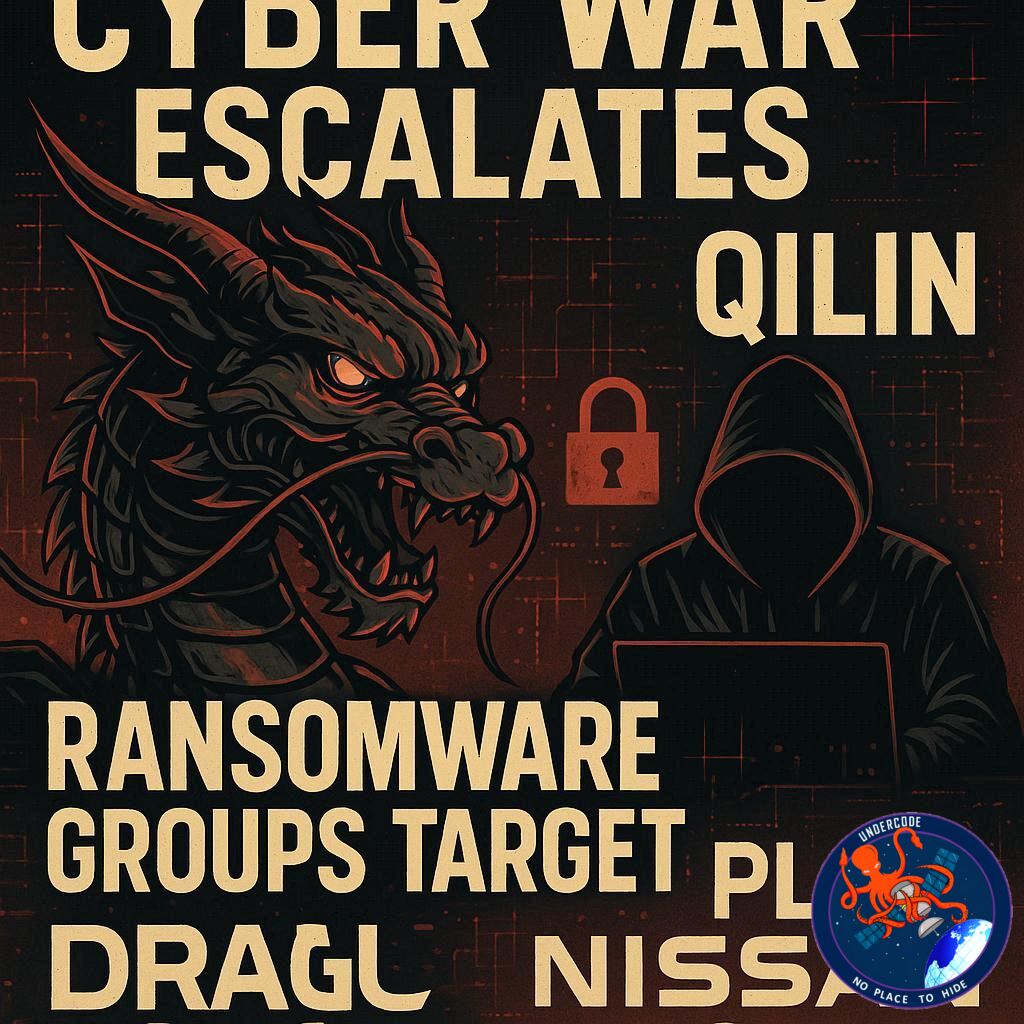
The digital battlefield is heating up once again as two notorious ransomware gangs—DragonForce and Qilin—make headlines with their latest victims. According to real-time intelligence from ThreatMon’s Ransomware Monitoring team, DragonForce has added PLN (Perusahaan Listrik Negara, Indonesia’s state-owned electricity company) to its victim list, while Qilin has struck Nissan CBI, a significant division of the global automotive giant. These incidents underline the growing aggressiveness of ransomware syndicates operating in the shadows of the dark web, with major corporations and critical infrastructure now in their crosshairs.
the Report
The latest reports from ThreatMon reveal two major cyberattacks unfolding on August 21, 2025.
At 17:13 UTC+3, the DragonForce ransomware group claimed responsibility for compromising PLN, Indonesia’s national electricity provider. The attack is alarming because PLN plays a critical role in powering millions of homes, businesses, and industries across the nation. A disruption here could have nationwide consequences.
Earlier the same day, at 08:36 UTC+3, the Qilin ransomware group targeted Nissan CBI, a key arm of the Japanese auto manufacturer. Such an attack could impact production, logistics, and supply chains, potentially stalling operations not only regionally but also in global automotive markets.
Both events highlight a dangerous trend: ransomware groups are increasingly aiming at large enterprises and public infrastructure, leveraging the fear of operational paralysis to demand huge ransoms.
ThreatMon’s monitoring suggests these groups are highly organized, leveraging advanced dark web coordination and possible affiliates. DragonForce, already infamous for attacks on government-linked organizations, seems to be focusing on critical service providers, while Qilin continues to expand its reach within the corporate sector.
These incidents illustrate the escalating arms race in cybercrime, where defenders are struggling to keep pace with evolving ransomware tactics. From financial losses to reputational damage and public safety concerns, the ripple effects of such attacks can be devastating.
What Undercode Say:
When we break down these attacks, several critical points emerge:
Strategic Targeting: DragonForce’s choice of PLN signals a move beyond financial gains toward geo-political disruption. Targeting a national power grid creates leverage far beyond money—it destabilizes public trust and governmental credibility.
Corporate Supply Chain Risks: The hit on Nissan CBI is not just about encrypted files. It’s a direct attack on the supply chain ecosystem, threatening production timelines and global automotive exports. In today’s interconnected world, a ransomware breach in one hub can cause ripple effects across continents.
Dark Web Economy: Both DragonForce and Qilin thrive on a dark web-driven ecosystem of stolen data marketplaces, hacker-for-hire services, and crypto laundering channels. These underground economies provide the infrastructure that fuels their persistence.
Pattern of Double Extortion: Ransomware gangs no longer just encrypt data; they also threaten to leak sensitive information if ransoms are unpaid. This dual-threat makes organizations more likely to comply, fearing regulatory fines, customer lawsuits, and PR fallout.
Cybersecurity Gaps: While PLN and Nissan are large organizations, their compromise indicates persistent weaknesses in endpoint security, network segmentation, and real-time monitoring. Attackers often exploit overlooked vulnerabilities like unpatched servers, weak credentials, or phishing emails.
Global Threat Landscape: These incidents are not isolated. They reflect a global ransomware surge, where state-sponsored actors, organized cybercriminals, and opportunistic hackers often blur lines. This makes attribution difficult and response strategies complex.
Economic Fallout: For PLN, prolonged downtime could mean millions in losses and public unrest due to power outages. For Nissan, delays in automotive production could lead to stock market fluctuations, delivery failures, and reputational harm in consumer trust.
Need for Collaboration: Governments, corporations, and cybersecurity firms must work together. Intelligence sharing, stricter cyber hygiene, and robust incident response planning are the only way to reduce exposure.
Ultimately, these attacks highlight that ransomware is no longer just a cyber nuisance—it is a weapon of disruption. The convergence of technology, economy, and national security makes ransomware the defining digital threat of our era.
✅ Fact Checker Results
ThreatMon confirmed DragonForce listed PLN as a victim.
Qilin ransomware verified to have targeted Nissan CBI.
Both attacks were timestamped on August 21, 2025, according to official ThreatMon intelligence reports.
🔮 Prediction
Ransomware attacks are likely to intensify against critical infrastructure in Southeast Asia and corporate giants in the automotive and manufacturing sectors. With groups like DragonForce and Qilin evolving rapidly, the next wave may include energy grids, financial systems, and global logistics providers, amplifying the stakes in the ongoing cyber war.
🕵️📝✔️Let’s dive deep and fact‑check.
References:
Reported By: x.com
Extra Source Hub:
https://www.github.com
Wikipedia
OpenAi & Undercode AI
Image Source:
Unsplash
Undercode AI DI v2
🔐JOIN OUR CYBER WORLD [ CVE News • HackMonitor • UndercodeNews ]
📢 Follow UndercodeNews & Stay Tuned:
𝕏 formerly Twitter 🐦 | @ Threads | 🔗 Linkedin | 🦋BlueSky | 🐘Mastodon


