
Listen to this Post
Introduction
A new dark web claim has placed Taiwan’s pharmaceutical sector under an uncomfortable spotlight. According to underground monitoring sources, a major local drug manufacturer has allegedly fallen victim to a large-scale ransomware intrusion. The incident, attributed to a well-known cybercriminal group, highlights how healthcare and pharmaceutical companies remain prime targets due to the sheer value of clinical, partner, and identity data. While full technical confirmation is still pending, the scale and nature of the alleged leak raise serious questions about cybersecurity readiness in the life sciences industry.
the Original Report
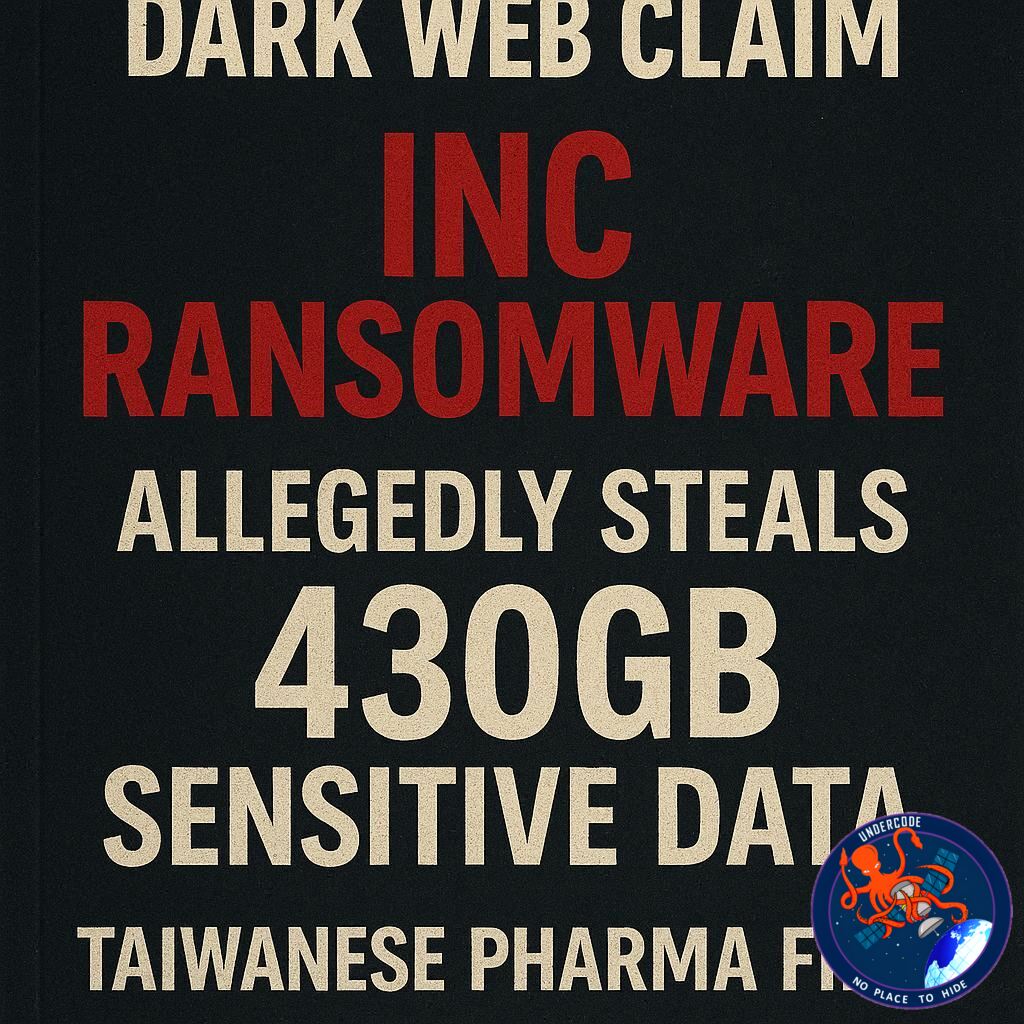
Dark web monitoring outlet DailyDarkWeb reported that INC Ransomware has allegedly compromised Nang Kuang Pharmaceutical Co., Ltd., a Taiwan-based pharmaceutical manufacturer. The attackers claim to have exfiltrated approximately 430GB of internal data, spanning corporate documents, clinical-related information, and partner records.
More concerning is the allegation that the stolen dataset includes sensitive personal identification materials, such as scanned ID documents. If accurate, this would significantly elevate the risk profile of the breach, extending potential harm beyond corporate disruption to individual privacy and identity theft.
The claim surfaced via a post on X (formerly Twitter) by Dark Web Intelligence, a well-known account that tracks ransomware activity and underground disclosures. The post links to a detailed dark web–focused article describing the alleged breach and situating it within INC Ransomware’s broader campaign history.
At the time of reporting, no public confirmation or denial had been issued by the affected company. Likewise, no official Taiwanese regulatory notice had been cited in relation to the incident. This leaves the situation in a familiar gray zone common to ransomware disclosures: credible signals from the dark web, but limited independent verification.
INC Ransomware has previously been associated with data-theft-and-extortion tactics, where attackers steal data first and then threaten public release if ransom demands are not met. The scale of the alleged Nang Kuang dataset suggests a prolonged or poorly detected intrusion rather than a brief opportunistic attack.
If verified, this breach would add to a growing list of healthcare-related ransomware incidents across Asia, reinforcing the perception that pharmaceutical firms are lucrative targets due to their intellectual property, regulated data, and time-sensitive operations.
What Undercode Say:
From an analytical standpoint, this alleged incident fits a broader and deeply troubling trend. Pharmaceutical companies increasingly sit at the intersection of high-value data and historically uneven cybersecurity maturity. Clinical research files, partner contracts, regulatory submissions, and employee identity records are all monetizable assets in the ransomware economy.
The claimed volume of 430GB is particularly notable. Data theft at this scale typically implies either compromised backup systems, excessive internal access privileges, or a lack of effective data loss prevention controls. It also raises questions about network segmentation—large exports of mixed corporate and clinical data should trigger alerts in a well-monitored environment.
INC Ransomware’s alleged involvement is also significant. Groups operating under this model tend to favor double-extortion tactics, meaning the real leverage comes not from encryption alone, but from reputational damage and regulatory fallout. For a pharmaceutical company, especially one operating in regulated markets, the threat of leaked clinical or identity data can be more damaging than temporary system downtime.
Another red flag is the mention of ID scans. Identity documents are rarely required for core pharmaceutical operations, which suggests either broad internal data access or centralized storage practices that aggregate unnecessary sensitive information. From a compliance perspective, this is a structural weakness that attackers routinely exploit.
Taiwan’s pharmaceutical sector has grown rapidly in recent years, with increased global partnerships and cross-border data flows. That growth, however, often outpaces investment in security architecture and incident response planning. Ransomware groups are acutely aware of this gap and actively probe for exposed services, outdated VPNs, and unpatched edge devices.
Even if portions of the dark web claim prove exaggerated, the reputational impact alone can be severe. Investors, partners, and regulators tend to respond to the allegation first and the technical details later. Silence or delayed communication from affected firms often worsens the narrative, allowing attackers to control the information space.
In practical terms, this case underscores why pharmaceutical firms must treat cybersecurity as a core business risk rather than an IT afterthought. Continuous monitoring, strict access controls, encrypted identity storage, and rehearsed breach response plans are no longer optional. The cost of prevention is now consistently lower than the cost of recovery—both financially and reputationally.
🔍 Fact Checker Results
✅ The breach claim originates from a dark web–focused intelligence source.
❌ No official confirmation from the company or regulators has been published so far.
✅ The tactics described align with known ransomware extortion patterns.
📊 Prediction
If the claim is substantiated, similar pharmaceutical and healthcare firms in the region are likely to face increased targeting over the next quarter. Attackers will interpret any weak or delayed response as confirmation that the sector remains a high-yield, low-resistance environment for ransomware operations.
🕵️📝✔️Let’s dive deep and fact‑check.
References:
Reported By: x.com
Extra Source Hub (Possible Sources for article):
https://www.linkedin.com
Wikipedia
OpenAi & Undercode AI
Image Source:
Unsplash
Undercode AI DI v2
Bing
🔐JOIN OUR CYBER WORLD [ CVE News • HackMonitor • UndercodeNews ]
📢 Follow UndercodeNews & Stay Tuned:
𝕏 formerly Twitter 🐦 | @ Threads | 🔗 Linkedin | 🦋BlueSky | 🐘Mastodon


