
Listen to this Post
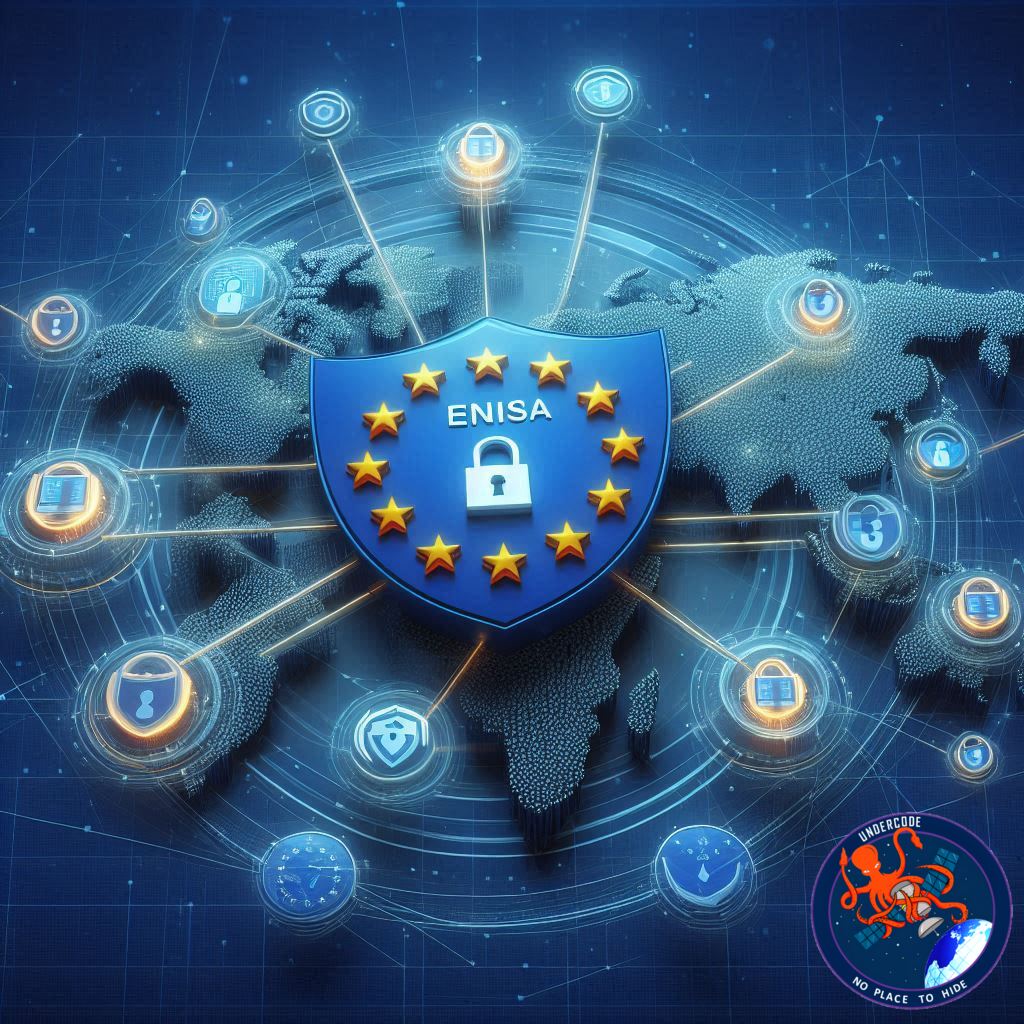
The European Union is taking a decisive step to strengthen its cybersecurity infrastructure. The European Union Agency for Cybersecurity (ENISA) has officially been designated as a Program Root in the global Common Vulnerabilities and Exposures (CVE) Program. This milestone reinforces the EU’s commitment to a more resilient, coordinated, and autonomous cybersecurity landscape, ensuring that vulnerabilities are identified, reported, and mitigated efficiently across member states. With this move, ENISA becomes the central hub for vulnerability coordination, providing both EU institutions and private sector actors a streamlined approach to handling security threats.
ENISA’s Strategic Role in EU Cybersecurity
As a Program Root, ENISA will serve as the main point of contact for national authorities, members of the EU CSIRTs network, and other partners. This designation is not merely symbolic; it aligns closely with key legislative initiatives, including the NIS2 Directive and the Cyber Resilience Act, while also supporting the development and implementation of the EU Vulnerability Database (EUVD). By centralizing CVE coordination in Europe, ENISA is poised to ensure faster and more consistent vulnerability handling across the bloc.
Expert Insights on the Move
Boris Cipot, Principal Security Engineer at Black Duck, described this designation as a pivotal development in European cybersecurity. Centralizing vulnerability coordination allows for faster processing and standardized handling of security issues, while reducing the EU’s reliance on non-European entities. Cipot emphasized that this move also harmonizes CVE practices across EU member states, providing a clear and structured framework for researchers and cybersecurity vendors. With enhanced visibility through both the EUVD and global CVE listings, stakeholders can access CVE ID assignments more efficiently, fostering transparency and collaboration in vulnerability management.
Daniel dos Santos, head of research at Forescout, highlighted that the designation demonstrates mutual momentum between ENISA and the CVE program. It reflects ENISA’s commitment to shaping the CVE landscape while also signaling the program’s recognition of ENISA’s value. He noted that a single point of contact for CVE coordination in Europe simplifies collaboration for national authorities, CSIRTs, researchers, and vendors alike, promoting standardized disclosure practices and reducing procedural complexities.
Challenges and Considerations
While this development is promising, experts caution that its success hinges on sufficient resources and careful implementation. Cipot mentioned integration challenges, such as aligning policies, procedures, and technological tools. Dos Santos emphasized the need for sustained investment to ensure ENISA can balance its existing responsibilities with the additional workload of CVE coordination. Recent examples, such as backlogs in the National Vulnerability Database (NVD), illustrate the substantial effort required for effective vulnerability management.
The expanded role of ENISA also underscores the importance of strategic autonomy in cybersecurity. By becoming a Program Root, ENISA reduces Europe’s dependency on external actors and establishes a platform for harmonized vulnerability reporting and management. This can significantly benefit EU researchers and vendors by providing clearer legal guidance, faster CVE ID assignment, and greater visibility both locally and globally.
What Undercode Say:
ENISA’s designation as a Program Root represents a transformative step for European cybersecurity. Centralization allows for a coherent EU-wide vulnerability management strategy, reducing fragmentation between member states and providing consistent standards for reporting and mitigation. This is particularly crucial as Europe faces increasingly sophisticated cyber threats from both state and non-state actors.
The move also supports legislative ambitions like NIS2 and the Cyber Resilience Act, which aim to establish uniform cybersecurity requirements across critical sectors. By integrating CVE coordination into ENISA’s mandate, the EU can bridge gaps in vulnerability reporting, reduce duplication of effort, and accelerate response times. For cybersecurity vendors, researchers, and national authorities, this streamlining can enhance operational efficiency, lower response times, and increase trust in the EU cybersecurity ecosystem.
However, the challenges should not be underestimated. ENISA will need to scale up staffing, funding, and technological capacity to manage its expanded mandate. Coordination with global CVE authorities requires harmonized workflows, and any misalignment could lead to delays or inconsistencies in vulnerability reporting. Moreover, ENISA must maintain neutrality and transparency while managing high-stakes security data, ensuring no single member state or external actor dominates the process.
From a strategic perspective, this initiative strengthens Europe’s digital sovereignty. Reducing reliance on non-EU entities allows for tailored cybersecurity policies and enhanced protection of sensitive infrastructure. It also provides a fertile environment for EU-based cybersecurity research and innovation, potentially attracting talent and investment into the European cybersecurity ecosystem.
The designation also signals a broader trend of regional cybersecurity agencies taking more prominent roles in global vulnerability coordination. As cyber threats grow in complexity, centralized, well-funded institutions like ENISA could become pivotal in shaping the global CVE landscape. This could lead to more collaborative threat intelligence sharing, faster patch deployment, and standardized disclosure practices—critical factors in mitigating large-scale cyber incidents.
Ultimately, ENISA’s success will depend on its ability to balance ambition with capacity. Sustained investment, clear governance structures, and efficient coordination with global partners are essential to make this initiative a benchmark for regional cybersecurity governance. If executed well, Europe could emerge as a model for other regions seeking greater autonomy and resilience in vulnerability management.
Fact Checker Results
✅ ENISA has been officially designated as a Program Root in the CVE Program.
✅ The move aligns with NIS2 and the Cyber Resilience Act objectives.
❌ Implementation challenges may arise without adequate resources and coordination.
Prediction
📊 ENISA’s new role is likely to accelerate CVE reporting and harmonization across the EU.
📊 Researchers and vendors will gain faster CVE ID assignments and improved visibility.
📊 With sustained investment, the EU could become a global benchmark for regional cybersecurity coordination.
🕵️📝✔️Let’s dive deep and fact‑check.
References:
Reported By: www.itsecurityguru.org
Extra Source Hub (Possible Sources for article):
https://www.facebook.com
Wikipedia
OpenAi & Undercode AI
Image Source:
Unsplash
Undercode AI DI v2
Bing
🔐JOIN OUR CYBER WORLD [ CVE News • HackMonitor • UndercodeNews ]
📢 Follow UndercodeNews & Stay Tuned:
𝕏 formerly Twitter 🐦 | @ Threads | 🔗 Linkedin | 🦋BlueSky | 🐘Mastodon


