
Listen to this Post
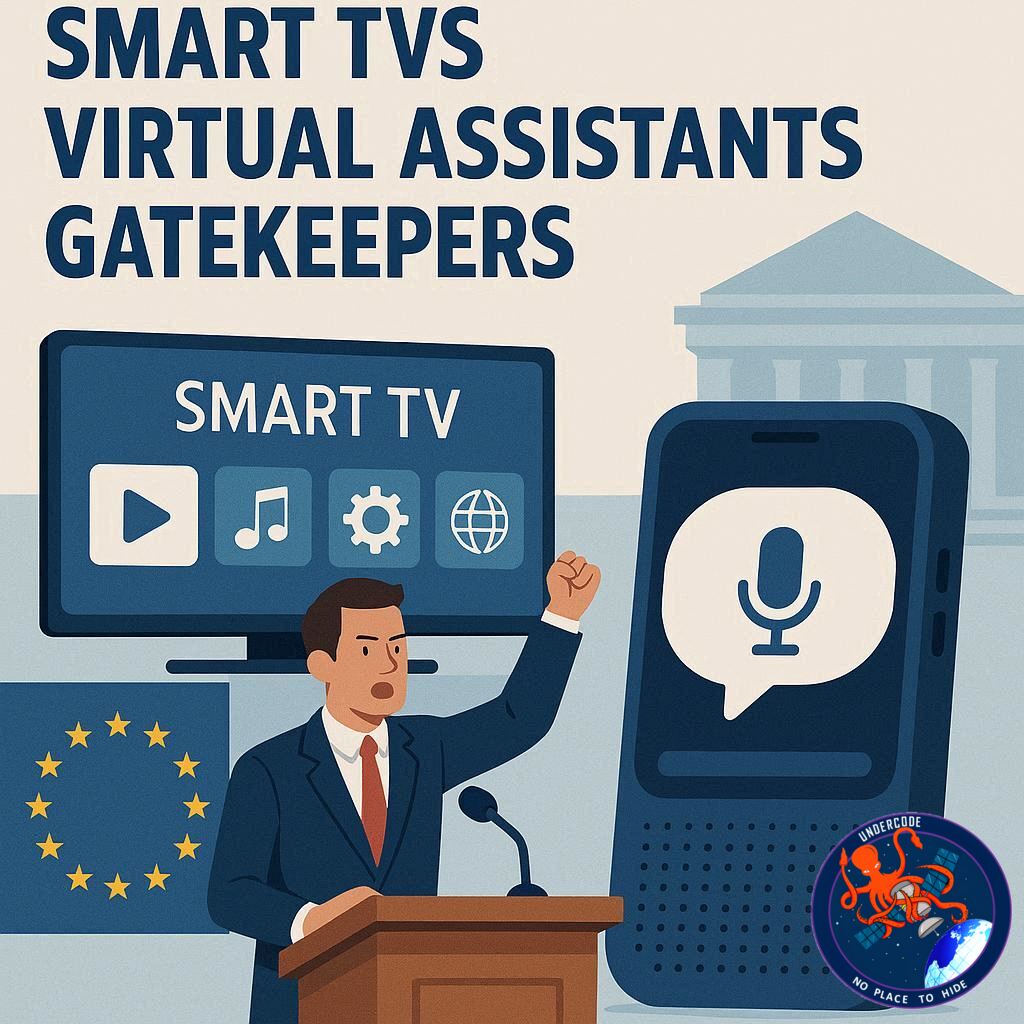
The European media landscape is entering a potential regulatory turning point as major broadcasters urge the European Commission to extend the Digital Markets Act (DMA) to smart TVs and virtual assistants. With tech giants like Apple, Google, Amazon, and Samsung increasingly shaping how millions of Europeans consume content, media companies argue that these devices and services wield unprecedented market power—power that, without oversight, could distort competition and limit consumer choice.
Broadcasters Demand Gatekeeper Status for Smart TVs
Europe’s Association of Commercial Television and Video on Demand Services (ACT) has formally requested that smart TV platforms and virtual assistants be designated as “gatekeepers” under the EU’s strictest digital regulations. The group believes these devices are no longer just passive tools—they actively control access to content, influencing what audiences see and how businesses distribute media. This designation would require tech companies to adhere to stringent DMA rules aimed at promoting fairness and competition.
Tech Giants Targeted in Lobbying Effort
ACT’s appeal specifically names the largest players in the industry, including Apple, Google, Amazon, and Samsung, highlighting their growing market dominance. The group communicated its concerns directly to EU antitrust chief Teresa Ribera, emphasizing that concentrated control over operating systems could allow a few firms to dictate the flow of media content across millions of users.
Broad Coalition Supports ACT’s Proposal
The request was backed not only by ACT but also by a wide network of European media organizations, including the European Broadcasting Union (EBU), the Association of European Radios (AER), and several national broadcaster associations. These alliances signal a coordinated push from traditional media to ensure that digital gatekeepers face legal scrutiny comparable to other platforms already regulated under the DMA.
Apple’s App Store Precedent
Much of ACT’s argument mirrors previous EU concerns over Apple’s App Store, which has been under intense DMA scrutiny for potential anti-competitive practices. Apple has defended its ecosystem, arguing that certain services, such as Apple Maps and Ads, do not constitute gatekeepers due to limited European market impact. However, broadcasters warn that smart TVs and virtual assistants could create similar ecosystem lock-ins, keeping users within proprietary platforms and restricting access to alternative media sources.
Expanding Focus to Virtual Assistants
ACT’s lobbying extends beyond smart TVs to virtual assistants, including Amazon’s Alexa, Apple’s Siri, and AI services like OpenAI’s ChatGPT. These assistants increasingly curate content through devices such as smartphones, smart speakers, and in-car infotainment systems. According to ACT, the absence of DMA oversight creates a “regulatory void,” potentially allowing AI assistants to act as de facto gatekeepers without legal accountability.
Concerns About Consumer Choice and Market Fairness
The coalition warns that without regulation, these gatekeepers could manipulate content distribution, prioritize their own services, and limit interoperability. Broadcasters argue that enforcing DMA obligations on these platforms is crucial to preserving fairness, contestability, and audience access to diverse media.
Global Implications for Tech Companies
The lobbying effort underscores Europe’s ongoing tension with major U.S. tech companies. By extending DMA regulations to emerging platforms, European authorities could set a precedent that influences global digital market standards, potentially reshaping how tech giants operate worldwide.
Regulatory Gaps Highlighted
ACT emphasizes that current DMA rules do not adequately cover virtual assistants, creating a loophole that could allow unchecked influence over digital content distribution. Bridging this gap would align regulatory frameworks with the evolving digital ecosystem, ensuring accountability across new technologies.
Industry Reaction and Next Steps
While broadcasters press for action, tech companies are expected to push back, citing innovation and user experience concerns. The European Commission will need to weigh industry input, competition law, and consumer protection considerations before deciding whether to classify smart TVs and virtual assistants as gatekeepers under the DMA.
Market Power of Smart TVs
Smart TVs are no longer passive screens; they are integrated media hubs, controlling content recommendations, app access, and streaming services. Regulators are increasingly concerned that a handful of companies could dominate this space, limiting market choice and innovation.
Virtual Assistants as Gatekeepers
Virtual assistants are evolving into content curators, shaping what users hear, see, and interact with across devices. By influencing which media platforms gain visibility, they hold growing power over market dynamics.
Strategic Importance for Broadcasters
For traditional media companies, ensuring that smart TVs and virtual assistants operate under DMA rules is critical. Without intervention, broadcasters risk losing control over content distribution and ad revenues, potentially being sidelined in favor of platform-owned media.
What Undercode Says:
Implications for European Media Competition
Extending DMA regulations to smart TVs and virtual assistants could level the playing field for broadcasters, preventing a few tech giants from monopolizing content distribution. This would strengthen competition and ensure smaller media providers retain access to audiences.
Consumer Protection Concerns
If these devices are left unregulated, consumers may face limited choices and exposure to algorithm-driven content that favors proprietary services. Designating gatekeepers would require transparency in recommendations, enhancing consumer autonomy.
Impact on Tech Giants
Tech giants like Apple, Google, and Amazon may face stricter compliance costs and operational constraints. While potentially slowing innovation, these regulations could promote fairer market practices and prevent anti-competitive ecosystem lock-ins.
AI and Virtual Assistant Oversight
Regulating AI assistants is crucial, as these systems increasingly curate media content. Without oversight, they risk becoming invisible gatekeepers, shaping consumer behavior and content access without accountability.
Legal and Economic Considerations
The EU faces a delicate balance: fostering innovation while enforcing competition laws. Introducing gatekeeper rules for these devices may set a precedent influencing global tech regulation, affecting revenues, partnerships, and digital market strategies.
Technological Trends
The rise of interconnected ecosystems—smart TVs, virtual assistants, and AI—underscores the need for forward-looking regulation. DMA oversight could ensure that technological advancement benefits consumers broadly rather than consolidating power in a few companies.
Strategic Pressure on Broadcasters
Traditional broadcasters gain leverage by pushing regulators to act, potentially securing more favorable content distribution conditions and protecting their market share in a rapidly digitizing landscape.
Cross-Border Regulatory Impact
EU decisions often ripple globally. Enforcing DMA rules on smart TVs and virtual assistants could influence regulatory frameworks in the U.S., Asia, and beyond, setting a benchmark for responsible digital platform governance.
Market Transparency and Accountability
Designating gatekeepers would demand clearer operational transparency, including how platforms recommend content, handle user data, and prioritize services. This is a step toward holding dominant tech players accountable.
Long-Term Industry Reshaping
In the long run, these regulatory changes could redefine how media is distributed and monetized, with implications for subscription models, advertising revenues, and content partnerships worldwide.
🔍 Fact Checker Results
✅ Major European broadcasters like Canal+, RTL, Mediaset, and Sky support ACT’s proposal.
✅ Smart TVs and virtual assistants are not yet classified as DMA gatekeepers, creating regulatory gaps.
❌ Apple Maps and Apple Ads have not been designated as gatekeepers due to limited market impact.
📊 Prediction
If the European Commission follows ACT’s recommendations, smart TVs and virtual assistants could soon face DMA obligations. This would likely shift market dynamics, increase regulatory compliance costs for tech giants, and improve competitive conditions for European broadcasters, ultimately giving consumers more diverse content options.
🕵️📝✔️Let’s dive deep and fact‑check.
References:
Reported By: 9to5mac.com
Extra Source Hub (Possible Sources for article):
https://www.instagram.com
Wikipedia
OpenAi & Undercode AI
Image Source:
Unsplash
Undercode AI DI v2
Bing
🔐JOIN OUR CYBER WORLD [ CVE News • HackMonitor • UndercodeNews ]
📢 Follow UndercodeNews & Stay Tuned:
𝕏 formerly Twitter 🐦 | @ Threads | 🔗 Linkedin | 🦋BlueSky | 🐘Mastodon


