
Listen to this Post
Introduction
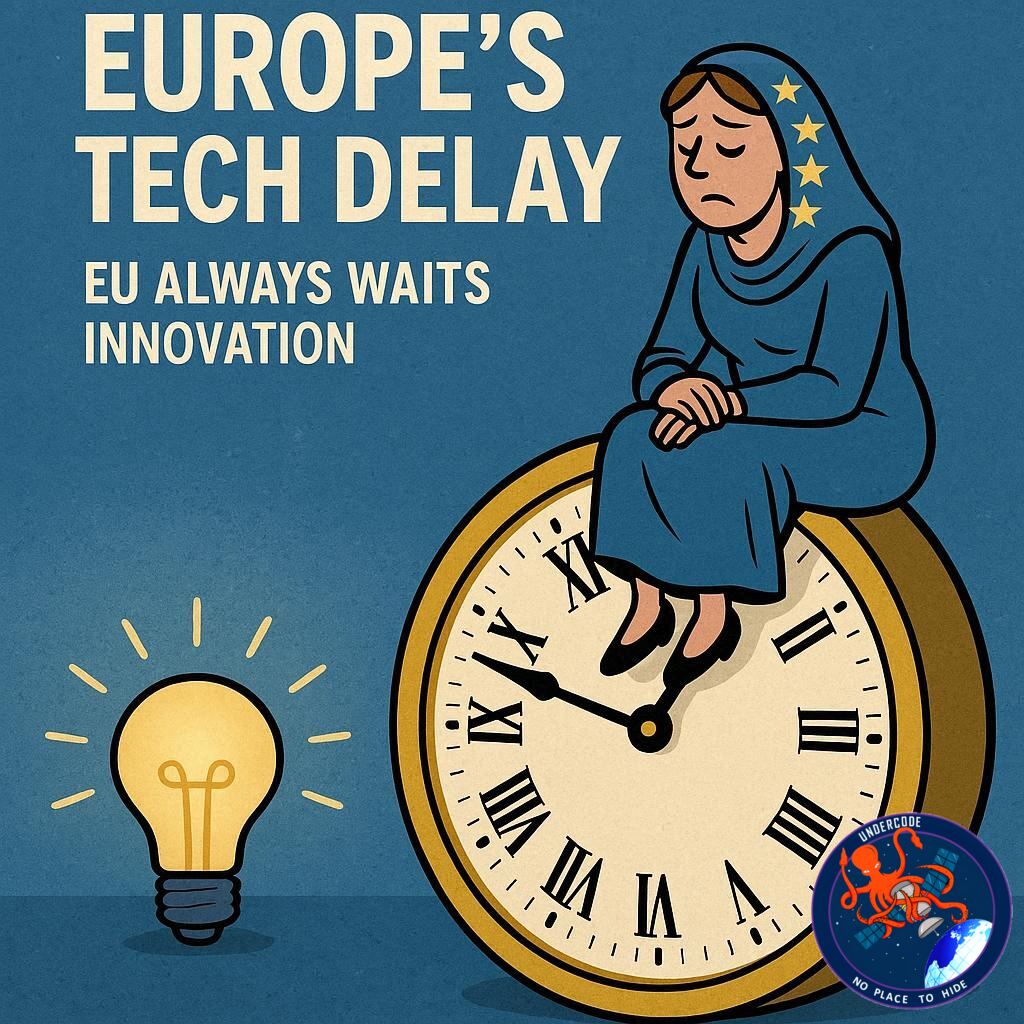
When the latest iPhone feature, AI tool, or autonomous car service hits the market in the United States, European consumers often find themselves waiting months—sometimes nearly a year—before they get access. These delays are not just inconvenient; they reshape how businesses, startups, and ordinary users adopt technology. While Americans are already building workflows, tutorials, and even businesses around these innovations, Europeans remain stuck behind a wall of regulation, privacy laws, and geopolitical caution.
Europe’s Ongoing Struggle with Tech Rollouts
European users are now accustomed to waiting three to five months for major tech product launches, with some features arriving almost a year late. While some delayed features may seem minor, the impact on productivity and innovation is substantial. By the time products reach the EU, U.S. users already have mature ecosystems, established use cases, and revenue streams in place.
The Regulatory Hurdle
The Digital Markets Act (DMA), the General Data Protection Regulation (GDPR), and the upcoming AI Act all contribute to Europe’s slow adoption. While these frameworks aim to protect privacy and ensure fairness, they also discourage companies from launching quickly in the EU. For startups, especially those in sensitive sectors like healthcare, compliance becomes a major obstacle, making the U.S. a more attractive scaling ground.
The Growing List of Delayed Features
- iPhone Mirroring – Apple’s feature that lets users control iPhones directly from Macs remains unavailable in the EU due to DMA compliance.
- AirPods Live Translation – Apple’s on-device translation tool won’t arrive in Europe anytime soon, again due to DMA interoperability rules.
- Starlink Direct-to-Cell – The satellite-based texting and calling service faces strong resistance from European telecoms and regulators.
- Autonomous Taxis – While Waymo operates freely in U.S. cities, Europe only runs small-scale pilot programs, with widespread adoption still years away.
- Threads – Meta’s Twitter rival launched five months later in the EU due to privacy worries.
- Sora (OpenAI) – Text-to-video AI reached Europe months after its U.S. debut.
- Apple Intelligence – Apple’s generative AI assistant faced half a year of delays before landing in the EU.
- Google AI Overviews – AI-powered summaries appeared nearly a year later in European search results.
- Claude (Anthropic) – The AI chatbot launched in the U.S. in mid-2023 but only reached European markets by mid-2024.
The Future of Regulation in Europe
The DMA is not the end of Europe’s tightening grip. Policymakers are considering the Digital Fairness Act, which could further reshape advertising models, reduce personalization in apps, and alter the influencer economy. Meanwhile, debates around GDPR reform risk leaving the law rigid and outdated, potentially stifling new AI and data-driven businesses.
What Undercode Say:
Europe’s constant tech delays are not just about bureaucracy—they represent a fundamental competitive disadvantage. While the U.S. and parts of Asia sprint ahead in AI, cloud infrastructure, and consumer tech adoption, Europe is left struggling to catch up.
Economic Impact: By the time tools like Apple Intelligence or Google AI Overviews land in the EU, businesses in the U.S. are already profiting from them. This gap widens the economic divide between the continents.
Startup Exodus: Many European founders prefer to scale in the United States because compliance costs are lower and go-to-market timelines are faster. This drains Europe of innovation and investment.
Consumer Frustration: Everyday users in Europe often feel like second-class customers, paying the same high prices for devices but with fewer features or long waiting times.
Geopolitical Protectionism: The EU’s push for sovereignty in projects like IRIS² satellites may be noble in intent but risks slowing down adoption of globally beneficial tech.
AI Stagnation: While Europe debates regulation, American companies already monetize generative AI across industries. The AI Act may protect against risks, but it also delays competitiveness.
Telecom Barriers: Starlink’s struggles highlight how protectionist EU telecoms block innovation to protect their own market share, even when new technologies could improve resilience in times of crisis.
The biggest risk is irrelevance. If Europe remains a “secondary launch market,” global tech companies may deprioritize it altogether, focusing instead on regions with faster adoption and higher returns.
✅ Fact Checker Results
Delays of 3–12 months for major tech rollouts in the EU are confirmed by multiple product launches.
Regulatory frameworks like GDPR, DMA, and the AI Act are widely cited by companies as primary causes of late rollouts.
U.S. users consistently get early access, tutorials, and monetization opportunities before Europeans.
🔮 Prediction
Europe will continue to fall behind in AI adoption, autonomous transport, and satellite-based connectivity unless it streamlines its regulations. Over the next five years, startups may increasingly choose the U.S. over Europe, leaving the continent dependent on imported innovation rather than leading in breakthrough technologies.
🕵️📝✔️Let’s dive deep and fact‑check.
References:
Reported By: www.euronews.com
Extra Source Hub:
https://www.discord.com
Wikipedia
OpenAi & Undercode AI
Image Source:
Unsplash
Undercode AI DI v2
🔐JOIN OUR CYBER WORLD [ CVE News • HackMonitor • UndercodeNews ]
📢 Follow UndercodeNews & Stay Tuned:
𝕏 formerly Twitter 🐦 | @ Threads | 🔗 Linkedin | 🦋BlueSky | 🐘Mastodon


