
Listen to this Post
Introduction
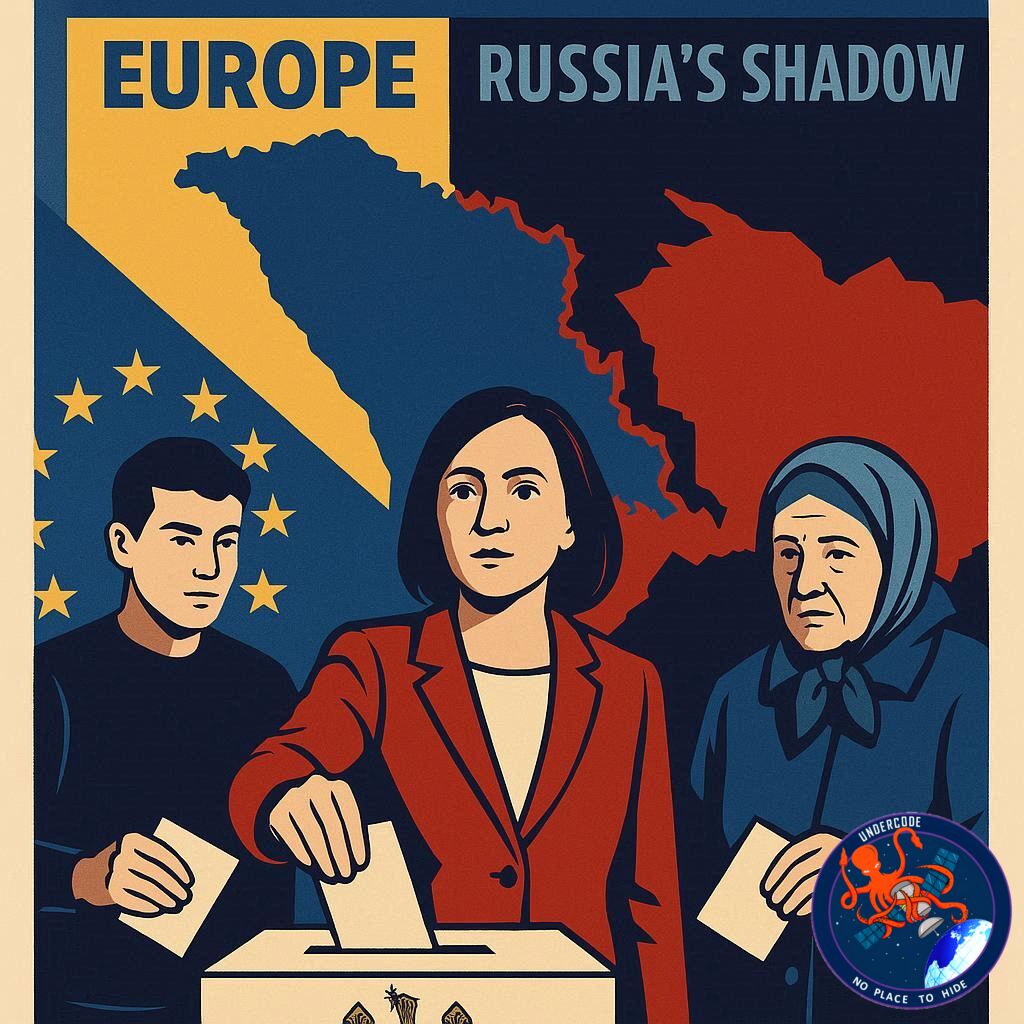
Moldova stands at a historic crossroads, with its upcoming parliamentary election being described as nothing less than “existential.” The outcome will determine whether the country continues its pro-European path or falls back under Moscow’s influence. With allegations of Russian interference, disinformation campaigns, and political scandals dominating the headlines, this election could shape Moldova’s future for decades to come.
the Situation
The Party of Action and Solidarity (PAS), led by Igor Grosu, currently dominates Moldova’s parliament but risks losing its majority in the 101-seat legislature. Grosu has framed the election as a stark choice between peace, represented by closer ties to the EU, and war, symbolized by Russia’s aggressive tactics in the region.
Moldovan officials, including Prime Minister Dorin Recean, accuse Moscow of waging a “hybrid war” through massive disinformation campaigns, cyberattacks, vote-buying schemes, and attempts to incite riots. Over 1,000 cyberattacks were recorded this year alone, while 74 individuals were recently detained in connection with an alleged Russia-backed plan to destabilize the country.
The United Kingdom’s Defence Ministry has also warned of Russian interference, stating that Moscow is “almost certainly” attempting to undermine Moldova’s democratic process. Meanwhile, the Kremlin has dismissed all allegations as “anti-Russian hysteria.”
PAS promises to push for EU accession by 2028, modernize infrastructure, double incomes, and intensify the fight against corruption. However, pro-Russia parties, particularly the Patriotic Electoral Bloc (BEP), advocate for “normalizing” ties with Moscow, permanent neutrality, and a state more aligned with Russia’s influence.
Tensions escalated further when the Chisinau Court of Appeal restricted activities of the Heart of Moldova party, part of the BEP bloc, following accusations of voter bribery and illegal financing. Its leader, Irina Vlah, denounced the move as a political attack.
Adding to the turmoil, fugitive oligarch Vladimir Plahotniuc, once accused of controlling Moldova through corruption and intimidation, was extradited from Greece, signaling a crackdown on high-level corruption.
For Moldovans, both at home and abroad, this vote is more than just another election — it is about survival, sovereignty, and the direction of the nation’s soul.
What Undercode Say:
Moldova’s election is not just about political preferences but about national security, identity, and survival. Igor Grosu’s framing of the contest as a choice between “peace or war” may sound dramatic, but it reflects the geopolitical reality of a small country caught between two powerful forces: the EU and Russia.
The alleged Russian interference illustrates how Moscow still views Moldova as part of its sphere of influence. Disinformation campaigns, cyberattacks, and financial manipulations are all tools from Russia’s hybrid warfare playbook, already used in Ukraine, Georgia, and across Europe. Moldova, with its fragile institutions, is particularly vulnerable.
Economically, PAS’s promises of doubling incomes and signing an EU accession treaty by 2028 remain ambitious. Moldova is one of Europe’s poorest nations, heavily dependent on remittances. Achieving EU integration will require structural reforms, reduction of corruption, and investments in infrastructure. If PAS fails to deliver on its economic promises, pro-Russian forces could exploit public dissatisfaction.
The opposition’s strategy of advocating for “permanent neutrality” reflects a growing appeal among citizens tired of geopolitical battles. Many Moldovans want stability, not confrontation. However, neutrality in a region dominated by Russia’s aggressive foreign policy could leave Moldova exposed and dependent rather than sovereign.
The crackdown on the Heart of Moldova party shows the government’s determination to limit Russian-backed influence, but it also risks fueling claims of political bias and censorship. This delicate balance between security and democratic freedoms could determine whether PAS maintains legitimacy in the eyes of voters.
The extradition of oligarch Vladimir Plahotniuc is a symbolic victory for the fight against corruption, a central demand of Moldovan citizens and the EU alike. However, the question remains: will this be a turning point in reform, or just a high-profile case used for electoral gains?
Ultimately, this election is about trust. Do Moldovans trust PAS to protect their sovereignty, deliver economic growth, and integrate into the EU? Or will frustration, disinformation, and financial influence push them toward Russia-friendly forces?
The international community is watching closely. For Brussels, a PAS victory means another country committed to European integration. For Moscow, a PAS defeat would reaffirm Russia’s ability to sway elections beyond its borders. For Moldova, it is simply about survival as an independent, democratic state.
Fact Checker Results ✅❌
✅ Multiple Western intelligence agencies confirm ongoing Russian interference in Moldova’s political process.
❌ Russia denies any involvement, but evidence of cyberattacks and vote-buying operations supports Moldovan claims.
✅ The crackdown on corruption and extradition of oligarchs highlights Moldova’s reform momentum, though challenges remain.
🔮 Prediction
If PAS secures a majority, Moldova will accelerate its EU integration efforts but face continued Russian attempts to destabilize it. If PAS loses, Moscow-friendly parties may stall EU negotiations, increasing Moldova’s vulnerability. The next few years will determine whether Moldova moves closer to Brussels or risks falling back into Russia’s orbit.
🕵️📝✔️Let’s dive deep and fact‑check.
References:
Reported By: www.euronews.com
Extra Source Hub:
https://stackoverflow.com
Wikipedia
OpenAi & Undercode AI
Image Source:
Unsplash
Undercode AI DI v2
🔐JOIN OUR CYBER WORLD [ CVE News • HackMonitor • UndercodeNews ]
📢 Follow UndercodeNews & Stay Tuned:
𝕏 formerly Twitter 🐦 | @ Threads | 🔗 Linkedin | 🦋BlueSky | 🐘Mastodon


