
Listen to this Post
Introduction
In today’s fast-moving digital landscape, security remains the backbone of any development ecosystem. GitHub, a platform trusted by millions of developers, has rolled out a critical update that simplifies how teams stay on top of security alerts. With the rise of cyber threats and mounting application vulnerabilities, this improvement is more than just a tweak—it’s a vital step toward better collaboration, faster remediation, and stronger code security. Let’s break down what this means for developers and organizations.
the Update
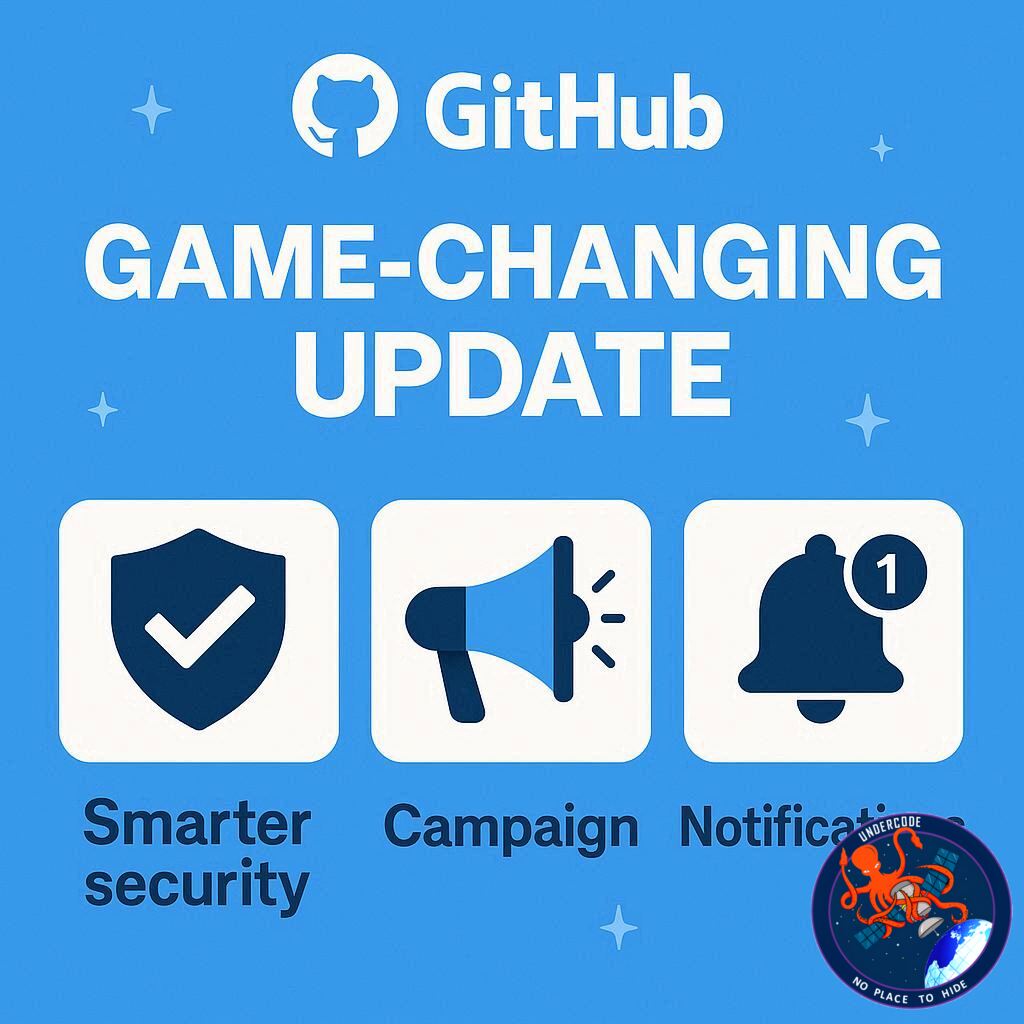
GitHub has introduced improved notifications for security campaigns to streamline communication within development teams. Starting now, developers with write access to repositories involved in security campaigns will automatically receive email notifications, eliminating the need to manually subscribe to repository activity.
Previously, users had to opt into “All activity” or “Security alerts” to be notified when new campaigns were created or deadlines approached. This was a barrier, often leaving crucial team members in the dark. With the new system, GitHub ensures that developers most capable of resolving issues are immediately informed about the security team’s priorities.
The update also complements GitHub Copilot Autofix, which suggests fixes automatically when security campaigns are generated. This integration helps teams tackle vulnerabilities faster, reducing the backlog of application security debt.
Security campaigns remain available exclusively to GitHub Enterprise Cloud users with GitHub Code Security enabled. For those who want deeper insights or wish to share experiences, GitHub directs them to its official documentation and encourages joining discussions in the GitHub Community.
What Undercode Say:
This update reflects a growing industry trend where proactive security management is replacing reactive measures. By automating notifications, GitHub removes friction and makes security awareness a default rather than an option. This subtle shift carries powerful implications:
Seamless Collaboration: When developers are automatically notified, it reduces dependency on manual tracking and ensures timely responses. Teams can collaborate without communication breakdowns.
Reduced Security Debt: With Copilot Autofix stepping in at the right time, vulnerabilities are fixed before they snowball into large-scale risks. This directly strengthens the security posture of enterprises.
Time Efficiency: Developers no longer waste time managing subscriptions—they can focus on actual remediation.
Enterprise-Grade Exclusivity: By limiting access to GitHub Enterprise Cloud, GitHub positions this as a premium feature, reinforcing its commitment to top-tier enterprise security.
From a broader perspective, this change represents the automation-first movement in cybersecurity. Enterprises are increasingly realizing that human oversight, while essential, cannot scale to match the speed of cyber threats. By blending AI-driven fixes with automated alerts, GitHub is essentially laying down the foundation for a self-healing security ecosystem.
Moreover, the psychological factor of “default notifications” plays a big role. Developers are less likely to overlook alerts when they don’t have to manually subscribe. It shifts the culture of responsibility—making security not just the job of security teams but everyone with write access.
This is particularly crucial as supply chain attacks rise. Malicious code often slips through unnoticed when developers are unaware of critical vulnerabilities. Now, with timely notifications, the window for attackers to exploit weaknesses narrows significantly.
From an organizational lens, this also creates accountability tracking. If developers are auto-notified yet fail to act, managers and security leads have clear visibility into who missed critical remediation steps. This makes performance tracking in security campaigns far more transparent.
Additionally, GitHub’s approach emphasizes scalability. Large enterprises often manage hundreds of repositories. Expecting every developer to manually subscribe was never sustainable. By automating notifications, GitHub ensures that no repo or campaign slips through unnoticed, even in massive ecosystems.
This innovation also ties into the broader AI revolution in DevSecOps. Copilot Autofix represents just the beginning of AI’s role in code security. Imagine a future where not only are developers auto-notified, but fixes are silently applied, tested, and deployed—all before human intervention. GitHub is pushing developers closer to that reality.
For security-conscious organizations, this update is not just convenience—it’s risk reduction at scale. Faster fixes mean fewer vulnerabilities left open for exploitation. And in industries like finance, healthcare, and government, where breaches could mean millions in damages, this kind of automation is a lifesaver.
At the same time, GitHub smartly balances automation with human oversight. Autofix can propose solutions, but developers still review and merge changes, ensuring no blind trust in AI-generated fixes. This balance between AI assistance and human judgment is key to building long-term trust.
Ultimately, GitHub’s update is less about email notifications and more about shaping the future of proactive cybersecurity workflows. It’s about empowering developers with the right information at the right time while arming them with AI tools to act swiftly.
✅ Fact Checker Results
GitHub has officially confirmed the automatic email notification feature for developers with write access.
Security campaigns and Copilot Autofix remain exclusive to GitHub Enterprise Cloud users.
Documentation and community discussions are actively promoted by GitHub.
🔮 Prediction
As GitHub continues to weave automation into its security ecosystem, expect even deeper integration of AI-powered vulnerability detection and auto-remediation. Future updates could extend beyond email notifications, offering real-time dashboards, predictive risk alerts, and automated compliance reporting. Enterprises adopting these tools early will likely gain a significant edge in securing their software supply chains.
🕵️📝✔️Let’s dive deep and fact‑check.
References:
Reported By: github.blog
Extra Source Hub:
https://www.discord.com
Wikipedia
OpenAi & Undercode AI
Image Source:
Unsplash
Undercode AI DI v2
🔐JOIN OUR CYBER WORLD [ CVE News • HackMonitor • UndercodeNews ]
📢 Follow UndercodeNews & Stay Tuned:
𝕏 formerly Twitter 🐦 | @ Threads | 🔗 Linkedin | 🦋BlueSky | 🐘Mastodon


