
Listen to this Post
Introduction
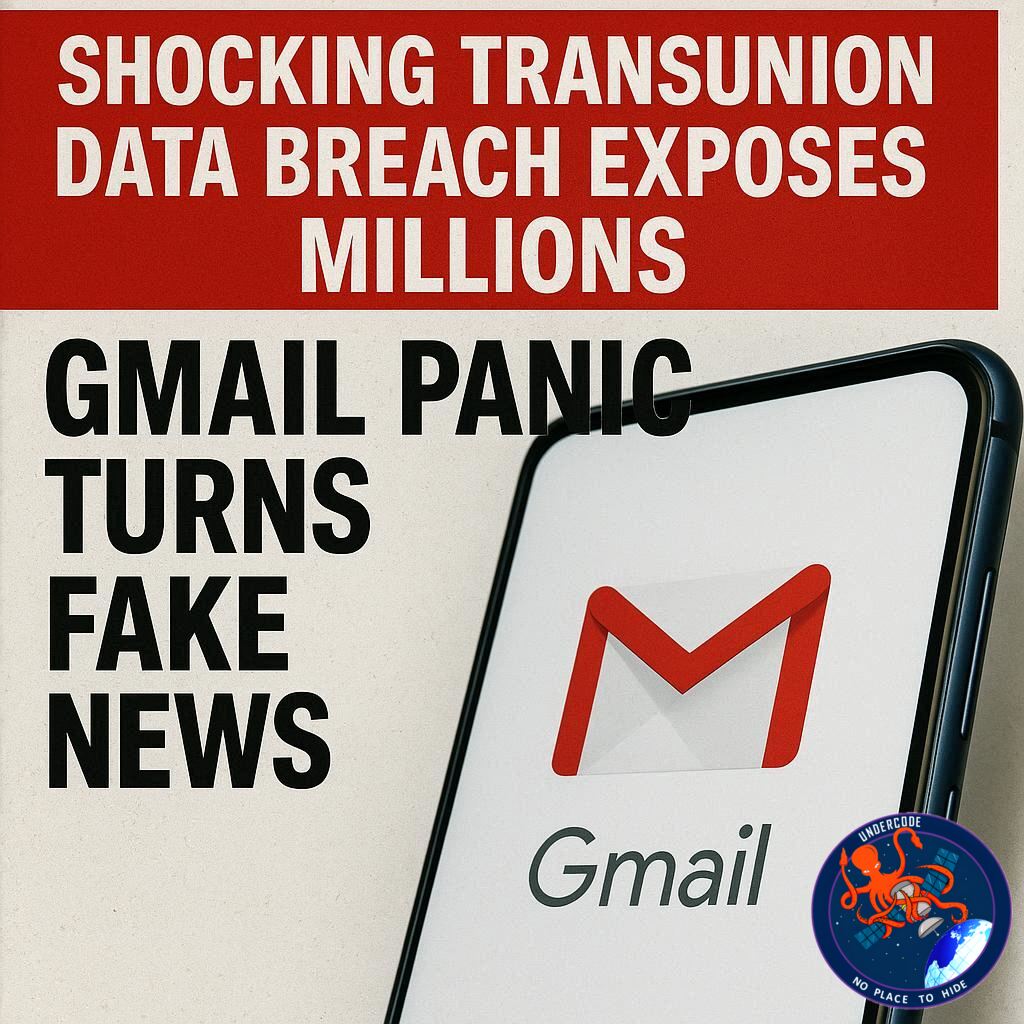
Cybersecurity has once again taken center stage with two major stories shaking up the digital world. On one hand, credit bureau TransUnion confirmed a massive data breach affecting millions of U.S. consumers, leaking highly sensitive personal details like Social Security numbers and dates of birth. On the other hand, alarming reports of a so-called Gmail security meltdown impacting all 2.5 billion users spread rapidly online — only for Google to debunk them as completely false.
This article dives deep into what really happened, what risks consumers face, and why misinformation spreads so fast in the cybersecurity space.
TransUnion Data Breach: What Happened
TransUnion, one of the biggest credit bureaus in the United States, disclosed that 4.4 million Americans had their personal information stolen after hackers gained unauthorized access through a third-party application used for consumer support operations.
The compromised data includes:
Full names
Social Security numbers
Dates of birth
While TransUnion stressed that no credit histories or financial records were touched, the stolen information is more than enough for criminals to launch identity theft attacks. Victims are now being notified via official letters, warning them of the incident and offering protective measures.
undercode reported that a law firm is already preparing a class-action lawsuit, reflecting the legal storm likely to follow. Experts advise consumers to consider freezing their credit, especially if they are not actively applying for loans or new credit lines. This step could help prevent fraudsters from opening accounts under stolen identities.
Gmail Scare: A False Alarm
Alongside the TransUnion revelation, social media buzzed with panic about a supposed mass Gmail security breach. Reports claimed Google had issued an urgent warning to all its 2.5 billion Gmail users, citing widespread cyberattacks.
Google quickly denied the claims, labeling them “entirely false.” The company clarified that no such alert had been issued. Instead, the rumor appears to have stemmed from confusion around a phishing campaign targeting Salesforce accounts back in June.
Google reassured users that its advanced security systems continue to block over 99.9% of phishing and malware attempts before they ever reach inboxes. Simply put: Gmail users are safe, and the viral headlines were nothing more than exaggerated clickbait.
What Undercode Say:
The TransUnion breach highlights the fragility of consumer trust in companies that hold massive amounts of personal data. Unlike credit card leaks, where numbers can be reissued, stolen Social Security numbers and dates of birth are permanent — creating long-term vulnerability for millions. This is why legal and regulatory scrutiny on data brokers is intensifying.
From a technical standpoint, the breach being tied to a third-party vendor underlines a growing cybersecurity risk: the supply chain. Hackers often find smaller, less-protected partners as easier entry points to infiltrate larger corporations. This mirrors high-profile cases like the SolarWinds attack, where trusted external software became the backdoor for cybercriminals.
Meanwhile, the Gmail misinformation saga reveals another dangerous trend: the virality of false cybersecurity news. In a world where digital rumors spread faster than facts, even a whisper of a global email compromise can trigger panic. Cybercriminals may even exploit such rumors, launching fake warning emails that trick users into clicking malicious links under the guise of security alerts.
Looking deeper, both stories emphasize a broader societal issue:
Consumers are overwhelmed by breach fatigue, with incidents happening so frequently that many feel powerless.
Companies rely on reactive measures (like letters and credit freezes) rather than proactive, zero-trust security models.
The media ecosystem rewards sensational headlines, sometimes fueling confusion rather than clarity.
For individuals, this means adopting a personal security strategy: using multi-factor authentication, regularly checking credit reports, freezing credit when possible, and being skeptical of viral security claims until verified by official sources.
For corporations, it underscores the need for continuous monitoring, stricter vendor risk assessments, and transparency in reporting breaches. Cybersecurity is no longer just an IT issue — it’s a boardroom priority.
✅ Fact Checker Results
TransUnion breach: Confirmed, affecting 4.4 million U.S. consumers.
Gmail mass hack: ❌ False, based on misinterpreted phishing reports.
Identity theft risk: ✅ Real, especially from Social Security exposure.
🔮 Prediction
The TransUnion incident will likely fuel more lawsuits and tighter government regulations on data brokers. Expect consumer pressure for free credit protection services and greater transparency in breach disclosures.
Meanwhile, the Gmail scare shows how misinformation can become a cyber weapon. We may see more fake security alerts designed to exploit public fear, pushing cybersecurity literacy to become just as important as technical defenses.
🕵️📝✔️Let’s dive deep and fact‑check.
References:
Reported By: 9to5mac.com
Extra Source Hub:
https://www.reddit.com/r/AskReddit
Wikipedia
OpenAi & Undercode AI
Image Source:
Unsplash
Undercode AI DI v2
🔐JOIN OUR CYBER WORLD [ CVE News • HackMonitor • UndercodeNews ]
📢 Follow UndercodeNews & Stay Tuned:
𝕏 formerly Twitter 🐦 | @ Threads | 🔗 Linkedin | 🦋BlueSky | 🐘Mastodon


