
Listen to this Post
 A Bold Move to Involve Fans in Google’s Next Big Pixel Leap
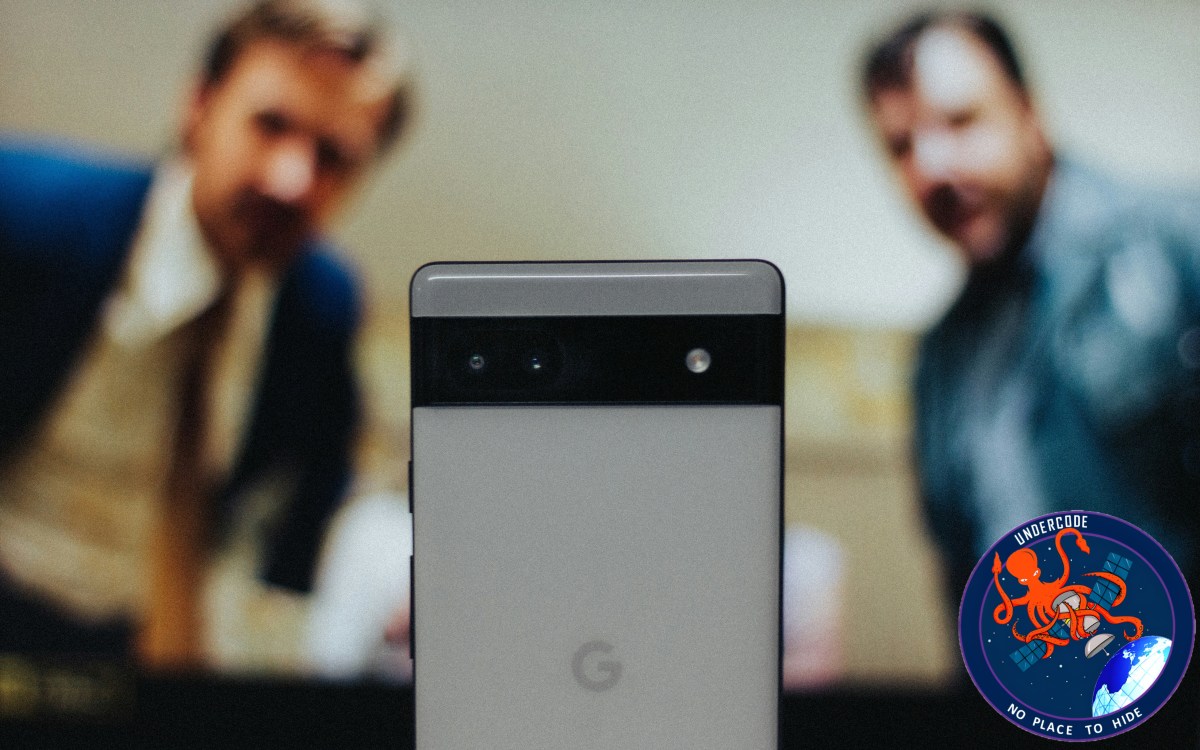
In a surprising twist that bridges fan enthusiasm with product innovation, Google has announced that select members of its elite “Superfans” group will be given the chance to test unreleased Pixel phones before they hit the market. This move not only signals a deeper collaboration between the company and its most loyal users, but also reflects a growing shift in how tech giants engage with real-world feedback.
Google Opens the Gates to Its Most Loyal Pixel Followers
Google’s “Superfans” initiative, originally launched to celebrate the brand’s most dedicated supporters, is now evolving into something far more interactive. The tech giant has invited these fans to apply for a rare opportunity to become part of the “Trusted Tester Program,” a selective beta-testing group that will handle upcoming Pixel devices long before their public release.
Only 15 applicants will be chosen, according to official contest rules obtained by Bloomberg News. Those selected will sign strict non-disclosure agreements and will receive the unreleased hardware enclosed in special protective cases designed to conceal its design. In exchange, testers will provide Google with real-time feedback, helping shape the final version of future Pixel models.
The contest doesn’t specify when testers will receive their devices, but based on Google’s usual timeline—where Pixel phones typically debut in August—industry observers expect the testing phase to start in early spring. This means that the next generation of Pixel smartphones could already be in the hands of a small, passionate group of fans within months.
Why This Move Is So Unusual
While many tech companies rely on internal teams and private focus groups to test pre-release devices, few have ever opened such programs to the public. For a company as large and secretive as Google, this is a rare experiment in transparency and trust. The Pixel series, one of Google’s most ambitious hardware projects, has often been plagued by leaks and rumors. Allowing trusted fans into the process might be Google’s creative way to both humanize the brand and control the narrative around its products.
A Shift in Pixel’s Design Evolution
In a previous interview, Google’s hardware design chief Ivy Ross mentioned that the company tends to refresh its design language every two to three years. The Pixel 10, launched in August, closely resembles its predecessor, suggesting that the next major visual overhaul could arrive with the Pixel 11 or even Pixel 12. Ross also revealed that Google was already finalizing its 2026 portfolio and exploring ideas for 2027 hardware.
This timeline aligns perfectly with the current testing phase, hinting that “Superfans” might be helping refine prototypes that represent a new era of Pixel design and functionality.
The Secrecy Dilemma
Despite these controlled efforts, Google has long struggled to keep Pixel details under wraps. From early renders to leaked prototypes, information about upcoming models often circulates months before official announcements. Some analysts believe that by involving fans through a controlled, NDA-bound program, Google might be trying to reduce unsanctioned leaks while still generating organic excitement among its community.
The selected testers will likely act as unofficial ambassadors—offering grounded feedback that internal teams may overlook. It’s a delicate balance between secrecy and openness, and Google’s willingness to test this approach underscores its desire to reconnect with its audience.
A New Era of Collaborative Product Development
This initiative also symbolizes a broader shift in tech culture. Rather than dictating what consumers should want, companies like Google are beginning to listen more closely to the communities that sustain their brands. With smartphones reaching maturity as a product category, innovation is no longer just about hardware—it’s about creating experiences that resonate with users.
Google’s Trusted Tester Program could redefine how flagship devices are built, integrating community insight directly into product development cycles.
What Undercode Say:
Google’s decision to open the testing phase of its Pixel hardware to “Superfans” is a strategic and psychological maneuver. On the surface, it looks like a community reward initiative, but beneath that, it’s a powerful data-driven experiment.
For years, Google has faced criticism for its inconsistent Pixel releases—excellent camera software paired with sometimes lackluster hardware or short-lived design cycles. Allowing a group of superfans to test early builds gives Google a pipeline of authentic feedback from real-world use cases that lab environments can’t simulate. These testers are likely power users who understand the Pixel ecosystem deeply. Their observations—about software fluidity, thermal management, camera tuning, and design ergonomics—could refine the final product far more effectively than internal testing alone.
It’s also a clever public relations play. Involving fans in product creation gives the impression of transparency and humility, something Apple, for example, rarely shows. It transforms the Pixel narrative from “Google’s experiment” to “our collective innovation.”
However, this experiment carries risk. Even with NDAs and protective cases, leaks are inevitable. Google’s history with confidentiality is messy, and if any detail escapes, it could ruin months of hype-building. Yet, this risk may be one Google is willing to take to recapture the magic of excitement that surrounded early Nexus devices—a time when the community felt like co-creators rather than spectators.
Another interesting angle is timing. If the testing begins in spring, it aligns with Google’s annual cycle and provides enough runway to adjust both hardware and software for an August or September launch. That suggests the company is testing not only the device’s durability or UI, but also its market readiness—gauging reactions before the official unveiling.
Strategically, this could influence how future products are launched. Imagine if, by 2026, every major Google device had a community-driven testing round. It could reshape how consumer tech brands engage their audience—less as buyers and more as collaborators.
In the long run, this could also signal a subtle evolution in Google’s culture. For a company traditionally dominated by engineers, inviting passionate outsiders to contribute marks a move toward human-centered innovation. It’s not just about perfecting silicon and software, but about reconnecting the brand with its base.
If this works, the next few years could see Google’s Pixel devices not just competing with Apple and Samsung, but outpacing them in authenticity and community loyalty.
🔍 Fact Checker Results
✅ Bloomberg verified the official contest documents and NDA terms.
✅ Google’s “Superfans” and “Trusted Tester” programs are legitimate.
❌ Google has not officially confirmed when testing will begin.
📊 Prediction
Google’s fan-testing initiative will expand if successful, leading to more open community involvement by 2026. 🤝
Expect early leaks to appear despite NDAs, sparking controlled buzz before the Pixel 11 reveal. 🔥
The feedback-driven design shift could mark the beginning of Google’s most user-centered era yet. 📱
🕵️📝✔️Let’s dive deep and fact‑check.
References:
Reported By: www.deccanchronicle.com
Extra Source Hub (Possible Sources for article):
https://www.reddit.com
Wikipedia
OpenAi & Undercode AI
Image Source:
Unsplash
Undercode AI DI v2
Bing
🔐JOIN OUR CYBER WORLD [ CVE News • HackMonitor • UndercodeNews ]
📢 Follow UndercodeNews & Stay Tuned:
𝕏 formerly Twitter 🐦 | @ Threads | 🔗 Linkedin | 🦋BlueSky | 🐘Mastodon


