
Listen to this Post
A Subtle Breach in the Kingdom of Nintendo
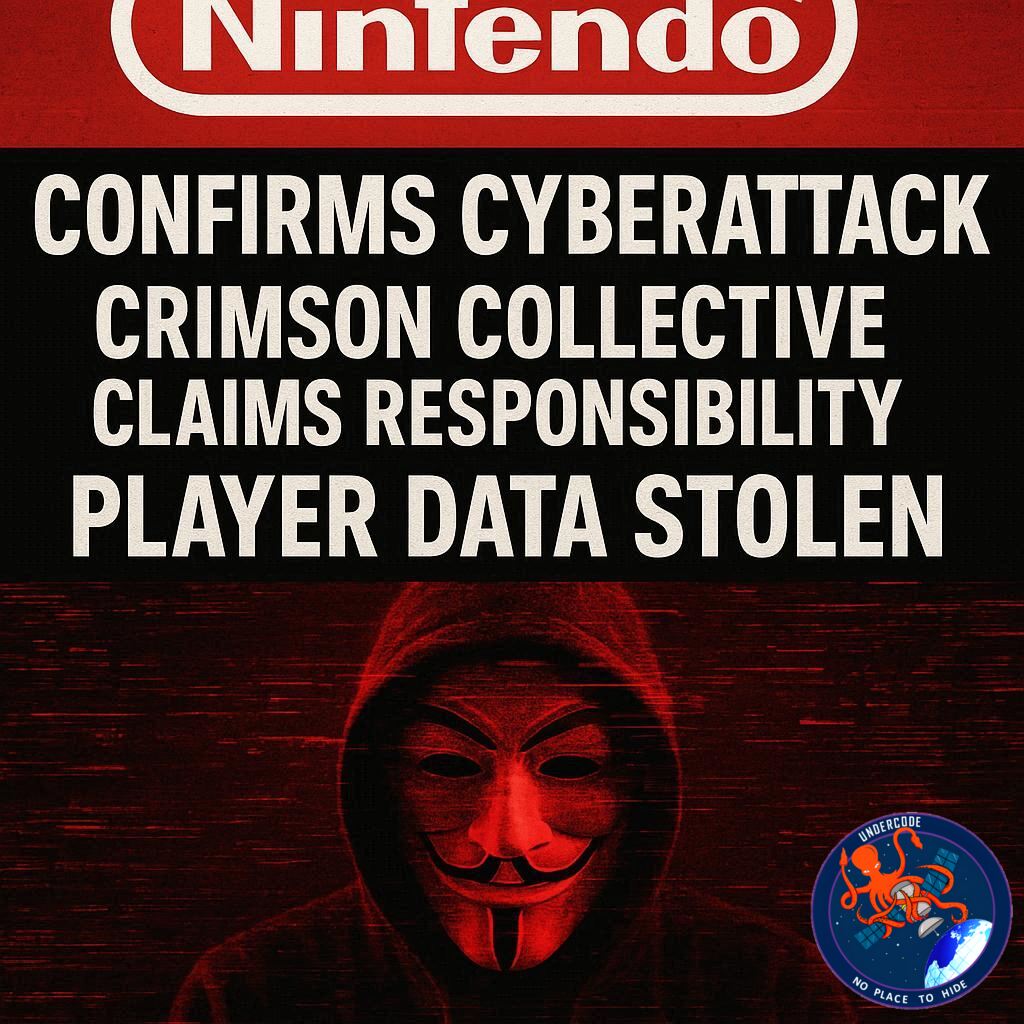
Nintendo, the gaming titan that shaped generations with Mario, Zelda, and Pokémon, has once again found itself in the crosshairs of hackers. The company confirmed that parts of its system were accessed by cybercriminals but emphasized that no sensitive or personal data was compromised. While this incident stirred waves across the cybersecurity and gaming communities, Nintendo insists that the breach was contained before any real damage occurred.
The group claiming responsibility — the Crimson Collective — has gained notoriety for breaching high-profile targets in recent months. According to cybersecurity outlet Hackmanac, the group posted supposed “proof” of its intrusion, showing screenshots of internal folders and files. Nintendo swiftly responded to the claims, telling The Sankei Shimbun that the breach was limited to external web servers, which primarily host public-facing content and not any internal data, development information, or player accounts.
Importantly, Nintendo clarified that no personal or payment information tied to player accounts was accessed. The compromised servers, according to the company, were not connected to systems that store user credentials, payment details, or game development files. This distinction reassured fans who feared a repeat of the massive “Teraleak” incident in 2024, where hackers stole sensitive Pokémon development data from Game Freak, Nintendo’s close partner studio.
Still, the Crimson Collective’s involvement adds a layer of intrigue. The same group recently claimed a breach of Red Hat, boasting that they had exfiltrated over 570 GB of data. Their methods are disturbingly simple: break into cloud systems, extract data, and then attempt to extort companies to prevent public leaks. Their growing focus on targeting AWS instances indicates a strategic pivot toward cloud-based corporate infrastructure, a prime weak spot in the digital era.
Nintendo, known for its strict security and legal measures, is unlikely to let this incident slide. The company has a long history of pursuing hackers aggressively — including legal actions tied to the massive Pokémon leak just a year ago. Despite this recent intrusion, Nintendo’s systems appear resilient, and the official statement suggests no immediate threat to user privacy or corporate continuity.
For concerned players, Nintendo reiterated that this incident does not affect player accounts or payments. But cybersecurity experts still advise users to stay cautious: change reused passwords, enable two-factor authentication, and use reputable security tools to safeguard accounts.
As the Crimson Collective continues its digital campaign against major corporations, one thing becomes clear — even giants like Nintendo are not immune. The real question now is whether this was an isolated intrusion or a sign of more targeted cyberattacks to come.
What Undercode Say:
Nintendo’s latest brush with hackers isn’t just another headline in the ongoing cyberwar; it’s a snapshot of a larger, evolving threat landscape. The Crimson Collective represents a new breed of cyber attackers — ideological yet opportunistic, blending the tactics of old-school ransomware groups with modern cloud-targeted methods.
From a technical standpoint, Nintendo’s containment measures were swift and well-structured. Limiting the breach to external web servers was crucial. It’s a sign of good network segmentation — the practice of dividing systems so that a breach in one area doesn’t compromise the rest. For a global company that manages millions of player accounts and decades of proprietary game assets, this level of compartmentalization likely prevented a catastrophe.
However, what stands out most is the psychological aspect. The Crimson Collective thrives on public spectacle. By leaking alleged “proof” on platforms like Twitter (or X), they rely on visibility more than actual damage. Their goal isn’t just data theft; it’s narrative control. By claiming credit for high-profile breaches — even when evidence remains murky — they cement their reputation and attract attention from both media and other hackers.
In the larger cybersecurity arena, this reflects a shift from data destruction to digital theater. Hackers today want to be seen. The brand of the attacker has become as important as the attack itself. For Nintendo, a company whose brand equity is built on trust and nostalgia, even the smallest perception of insecurity can ripple into massive reputational costs.
The Red Hat and AWS claims point to a dangerous pattern: infiltration of cloud infrastructure, exfiltration of bulk data, and a threat of public release unless ransom demands are met. This blend of extortion and exposure mirrors the tactics of groups like Lapsus$ and Cl0p, which weaponized leaks as PR tools.
Nintendo’s firm denial of data loss doesn’t necessarily close the case, though. While it’s true that no user or payment data was compromised, cybersecurity breaches often have a delayed echo — metadata, configuration leaks, or network exposure could be exploited later. Still, the company’s transparency marks a notable improvement from past industry responses, where silence and denial often worsened public trust.
Looking deeper, this incident underscores how gaming companies have become lucrative targets. With multi-billion-dollar intellectual property portfolios and always-online ecosystems, gaming infrastructure offers both monetary and symbolic appeal for hackers. In the age of digital entertainment, breaching a game studio isn’t just about stealing code — it’s about hijacking culture.
What Nintendo must do next is reinforce its cybersecurity culture internally. Beyond firewalls and servers, employee access, third-party vendors, and cloud dependencies are the weakest links. Proactive audits, AI-driven anomaly detection, and strict vendor compliance checks should become standard.
Ultimately, while Nintendo escaped this breach relatively unscathed, the incident serves as a warning. The battleground of modern cyberwarfare has shifted — and even the most beloved icons of entertainment must now play defense in a game they never chose to enter.
Fact Checker Results:
✅ Nintendo confirmed a limited breach affecting only external web servers.
✅ No personal, financial, or game development data was compromised.
❌ No verified evidence supports Crimson Collective’s deeper intrusion claims.
Prediction 🎮
The Crimson Collective’s tactics are unlikely to stop here. Expect them to target more high-visibility tech and gaming firms, especially those reliant on AWS and public web servers. Nintendo, now hyper-aware of its exposure, will likely invest heavily in cloud monitoring and internal cybersecurity restructuring. As attacks grow more psychological than technical, the real defense will be controlling the narrative — before the hackers do.
🕵️📝✔️Let’s dive deep and fact‑check.
References:
Reported By: www.bitdefender.com
Extra Source Hub (Possible Sources for article):
https://www.stackexchange.com
Wikipedia
OpenAi & Undercode AI
Image Source:
Unsplash
Undercode AI DI v2
Bing
🔐JOIN OUR CYBER WORLD [ CVE News • HackMonitor • UndercodeNews ]
📢 Follow UndercodeNews & Stay Tuned:
𝕏 formerly Twitter 🐦 | @ Threads | 🔗 Linkedin | 🦋BlueSky | 🐘Mastodon


