Listen to this Post
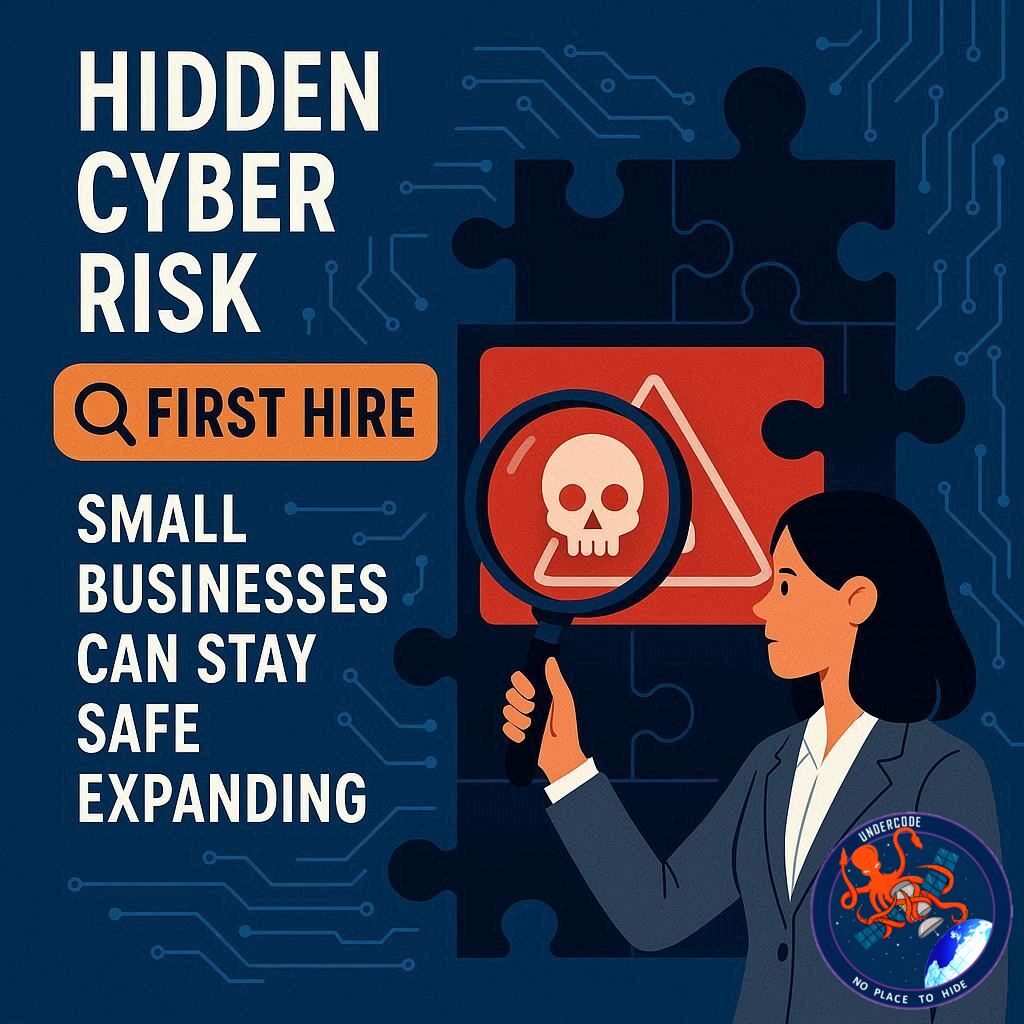
Introduction:
Growth is thrilling — especially for small business owners who have built something from scratch. That first hire, whether a part-time assistant, freelancer, or consultant, often marks the turning point from “just me” to “we.” But with collaboration comes a quiet, invisible shift — one that many solopreneurs overlook. The moment you share access to your files, email, or client data, your cybersecurity stops being a personal matter and becomes a shared responsibility. What starts as an exciting expansion can quickly spiral into a costly mistake if security isn’t part of the plan.
The Digital Shift: When One Becomes Two
Most small businesses start as solo operations. According to Tailor Brands (2024), 85.8% of small businesses are solopreneurs, and 55% of them work from home. These entrepreneurs juggle everything — from finances and marketing to client management — until growth demands extra hands. The difference between working alone and managing even one assistant is monumental. Data from the SBA shows that while self-employed owners make about $49,000 a year, businesses with one to four employees generate nearly $387,000 annually. Expansion pays — but it also exposes.
The transition from solo to team brings both opportunity and risk. Once another person gains access to your laptop, shared drive, or social media accounts, your exposure multiplies. Suddenly, someone else’s click, Wi-Fi, or password strength can affect your entire operation.
Every shared document, password, or login creates a new doorway into your business. Even the most trusted collaborator can accidentally open the wrong file or click a convincing phishing link. And in today’s hyper-connected world, a single mistake can compromise sensitive client data or damage your brand reputation.
That’s why cyber responsibility must evolve from being personal to shared.
Before bringing anyone into your system, you need clear digital boundaries:
Create individual logins with limited permissions. Avoid shared passwords or admin rights.
Use clean, structured folders with only the necessary files and a “Start Here” guide to avoid confusion.
Keep your own system fortified — up-to-date antivirus, firewall enabled, and automatic updates on.
Security isn’t about paranoia — it’s about professionalism. Just as you wouldn’t hand over your office keys to a stranger, you shouldn’t give blanket digital access to your business ecosystem.
A secure setup starts with a conversation. During your first call, talk openly about your security policy:
No password sharing.
Use of VPNs and password managers.
Always double-check suspicious links, invoices, or emails.
This creates psychological safety. It tells your team that protecting data isn’t bureaucracy — it’s how you safeguard trust.
Laying the Foundations of Cyber-Safe Collaboration
As you onboard collaborators, clarity becomes your best defense. A few best practices can help avoid costly mistakes:
Set Up Multi-Factor Authentication (MFA): Every account they access should have MFA enabled — no exceptions.
Define Access by Role: A designer doesn’t need to see financial spreadsheets, and your accountant shouldn’t edit social posts.
Secure Their Devices: Ask collaborators to confirm they use reputable antivirus software and automatic updates.
Write a Simple Agreement: Outline confidentiality rules, storage locations, and what happens when the contract ends.
Teach Scam Awareness: Show examples of fake invoices, urgent wire requests, and impersonation emails.
Verify Payments by Voice: One short phone call before transferring funds can prevent devastating fraud.
Modern tools like Bitdefender’s Scam Copilot and Email Protection can add another shield, spotting scams that mimic real messages. Together with VPNs and password managers, they build a comprehensive safety net for growing teams.
On day one, start small — assign a simple task that doesn’t require full access. Review how everything works, confirm permissions, and end the day with a check-in. Discuss what went smoothly and where adjustments are needed. These first steps lay the groundwork for a culture of security awareness.
And don’t overlook AI usage. Many assistants rely on AI chatbots and writing tools — but public AI platforms are not private. Make it a firm rule: no client names, credentials, or confidential data inside any public AI. If you use AI internally, select transparent, compliant tools that clearly define data privacy terms.
For a team of two, consumer-grade protection like Bitdefender Premium Security might suffice. But once you bring in a third person, consider Bitdefender Ultimate Small Business Security, which centralizes protection for all devices, unifies rules, and allows you to spot threats early — no IT department required.
A few simple steps today can save your business from tomorrow’s headlines.
What Undercode Say:
This article isn’t just about cybersecurity — it’s about leadership in the digital era. Growth doesn’t begin when you hire your first person; it begins when you take responsibility for protecting what you’ve built.
Too many small business owners treat security as an afterthought — something to worry about once they’re “big enough.” That’s a fatal misconception. Cyber risks don’t scale with size; they scale with access. The moment your data passes through another device, your vulnerability expands exponentially.
Human error remains the number one cause of breaches, and most aren’t malicious. A distracted click, a misplaced file, or a casual message can open the door to a full-scale compromise. That’s why modern entrepreneurs must think like digital custodians — managing not just tasks but trust.
From a behavioral standpoint, the key is not creating fear, but building shared accountability. Employees and freelancers should feel empowered to question suspicious activity, not embarrassed. A strong cyber culture is communicative, not punitive.
What’s striking about the advice here is its practicality. You don’t need enterprise systems or IT consultants — just structure, awareness, and consistency. Even simple actions like MFA, secure file sharing, and scam education close 90% of the gaps that hackers exploit.
The article also highlights a modern paradox: technology that empowers small teams can also expose them. Cloud drives, messaging platforms, and AI tools accelerate workflows but blur the line between convenience and vulnerability. The new currency in business collaboration is digital trust, and it’s earned daily through disciplined habits.
Undercode’s perspective? Every small business, no matter how early in its journey, should treat cybersecurity as a brand value — not a technical checklist. Clients expect discretion and protection as part of your professionalism. Just as you wouldn’t deliver sloppy work, you shouldn’t deliver insecure handling of their information.
Ultimately, security isn’t just about defense — it’s about growth. When collaborators feel protected and informed, they work with more confidence, communicate openly, and help your brand scale without fear. That’s the real power of a secure foundation.
Fact Checker Results:
✅ Data on small business size and earnings aligns with SBA and Tailor Brands (2024) reports.
✅ Recommendations on MFA, VPN, and password managers reflect best cybersecurity practices.
✅ Bitdefender’s cited products and features are real and relevant to small-business security.
Prediction 🔮
As digital collaboration continues to rise, the next frontier of small business success will be cyber maturity. Within the next few years, clients will favor vendors who can demonstrate not only creativity and results but also robust data protection. Expect to see small teams adopting enterprise-grade tools and formal security agreements as the new standard — not a luxury. Those who adapt early will build faster, stronger, and safer businesses in the AI-powered economy ahead.
🕵️📝✔️Let’s dive deep and fact‑check.
References:
Reported By: www.bitdefender.com
Extra Source Hub (Possible Sources for article):
https://www.medium.com
Wikipedia
OpenAi & Undercode AI
Image Source:
Unsplash
Undercode AI DI v2
Bing
🔐JOIN OUR CYBER WORLD [ CVE News • HackMonitor • UndercodeNews ]
📢 Follow UndercodeNews & Stay Tuned:
𝕏 formerly Twitter 🐦 | @ Threads | 🔗 Linkedin | 🦋BlueSky | 🐘Mastodon