
Listen to this Post
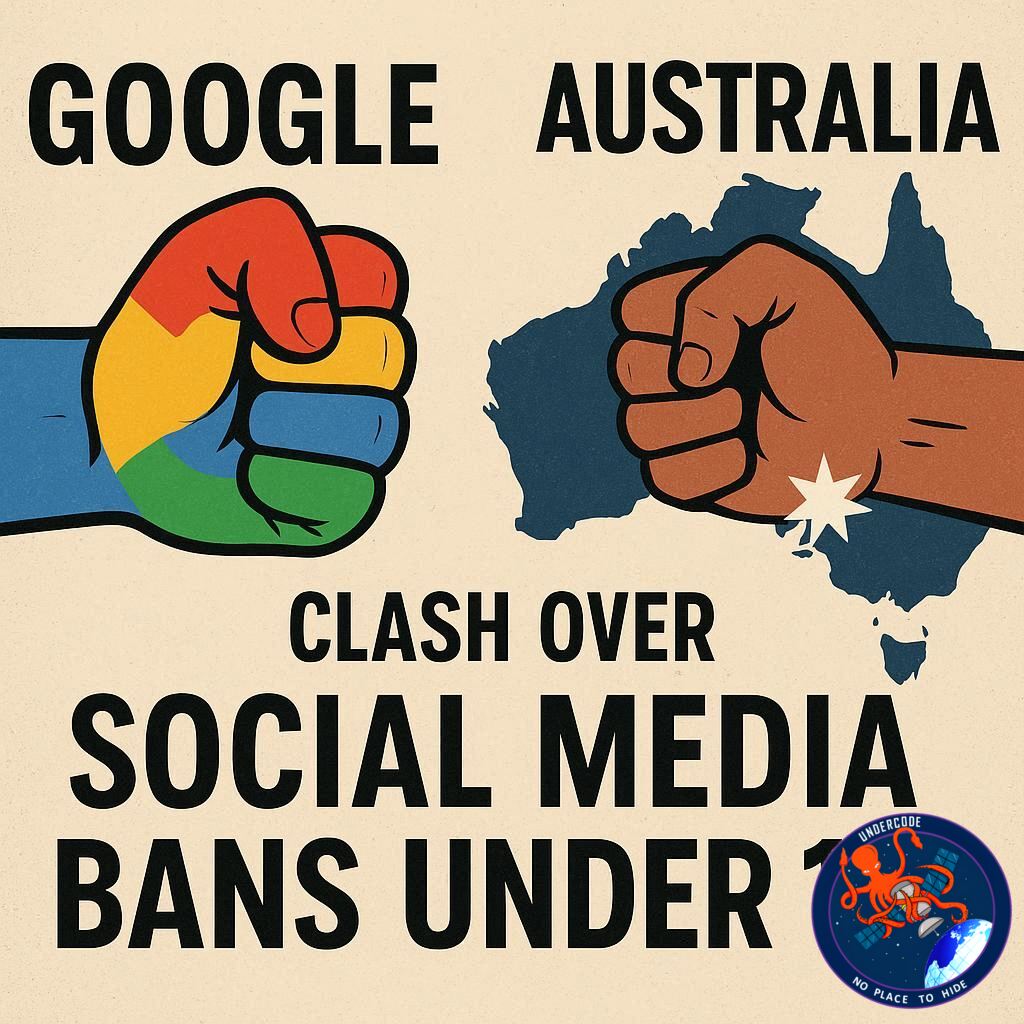
The Debate Over Digital Childhood
Australia’s bold decision to ban social media access for anyone under 16 has sparked a global debate about online safety, freedom, and the limits of government control. While the law is framed as a child protection measure, tech giant Google says it may do more harm than good. In December 2024, Australia became the first country to introduce such a restriction, giving tech platforms a year to comply. But as the deadline of December 10, 2025 approaches, questions about feasibility, privacy, and unintended side effects are growing louder.
Google has warned that enforcing this law will be “extremely difficult” without breaching privacy or misidentifying users. The rule demands that all under-16 accounts be deactivated, yet it forbids companies from conducting direct age verification. Instead, platforms must use artificial intelligence and behavioral data to “infer” age — a vague and controversial method that many experts say could backfire.
At the heart of this debate lies a critical contradiction: how can a government restrict minors from social media without collecting the very data it seeks to protect? The government argues it’s about reducing exposure to harmful content and improving mental health outcomes. But Google believes the ban misunderstands how the internet works and how children learn to navigate it safely.
Australia’s Digital Safety Experiment
Under the new Online Safety Amendment, companies like Meta, TikTok, and now YouTube are required to remove underage users from their platforms. The amendment was passed after growing concern about mental health issues linked to excessive screen time, cyberbullying, and addictive digital environments. But Australia’s decision has divided policymakers, parents, and industry experts alike.
Initially, YouTube was exempt due to its educational value and widespread use in schools. However, the government later reversed this exemption after pressure from competing tech firms, arguing that YouTube still functions as a social platform with comment sections and user engagement features.
During a parliamentary hearing, Rachel Lord, YouTube’s senior manager of government affairs, emphasized that while the intent of the law is noble, the execution is deeply flawed. She noted that banning young people entirely could push them toward less-regulated corners of the internet, making them even more vulnerable. “The solution to keeping kids safer online is not stopping them from being online,” she argued, suggesting instead that digital literacy and parental tools should be the main focus.
Google’s Warning: When Safety Becomes Surveillance
Google’s statement highlights a deeper issue: regulating online behavior often collides with privacy concerns. Using AI to detect age involves analyzing browsing patterns, speech tone, or viewing habits—techniques that risk creating new ethical problems. Moreover, false positives could lead to older teens being locked out of platforms unfairly, while tech-savvy younger users could still find ways around restrictions using VPNs or fake credentials.
The irony is clear: in trying to protect children, governments may be nudging society toward greater surveillance and data collection. Google’s warning about “unintended consequences” reflects its fear that such regulations could normalize invasive monitoring practices under the banner of safety.
For parents, the law might feel like reassurance. For privacy advocates, it’s a red flag. For the tech industry, it’s a logistical nightmare. And for teenagers, it may be the beginning of a digital underground—one that thrives precisely because of such restrictions.
What Undercode Say:
Australia’s move is both courageous and naive. It’s courageous because it directly confronts one of the toughest questions of the digital age: how do we protect children in an online world designed for adults? Yet it’s naive because it assumes that exclusion equals safety.
Banning under-16s from social media doesn’t remove their curiosity, their peer pressure, or their need for social connection. It simply pushes them toward shadow platforms, anonymous forums, and unmoderated corners of the web where the risks are exponentially higher.
The deeper problem lies not in access but in digital literacy. Children today are not passive consumers of content; they are participants in digital ecosystems. Removing them from those spaces may delay harm, but it doesn’t eliminate it. Teaching them how to navigate safely, identify manipulation, and set boundaries offers far more lasting protection.
Moreover, Google’s critique raises an essential ethical dilemma. Age inference through AI sounds futuristic but relies on analyzing personal behaviors—what we watch, how we type, when we log in. This is behavioral profiling on a massive scale. Governments might avoid direct data collection, but they’re indirectly encouraging the same invasive systems they claim to resist.
This battle isn’t just about kids on social media—it’s about who controls the architecture of online identity. Australia’s approach shifts power away from families and individuals toward regulatory bodies and AI-driven compliance systems. It treats online behavior as a threat to be policed, not a skill to be cultivated.
If this model spreads, we may enter a new digital regime where algorithms decide who’s old enough to speak, share, or learn. While the intention is protection, the outcome might be a society where digital participation requires constant surveillance.
The smarter path forward is cooperation, not confrontation. Governments should work with tech companies to enhance parental control tools, improve digital education in schools, and build safer digital experiences for young users instead of shutting them out entirely. A healthy digital ecosystem isn’t one that excludes—it’s one that empowers.
🔍 Fact Checker Results:
✅ Australia passed the Online Safety Amendment in November 2024 to restrict social media use for those under 16.
✅ Google has publicly criticized the enforceability of the law, citing privacy and practicality issues.
❌ There is no evidence that a total ban will directly improve online safety outcomes for minors.
📊 Prediction:
Australia’s digital safety law could become a global test case 🌍. If it fails, it may deter other nations from adopting similar bans. If it succeeds—even partially—it could inspire new waves of regulation across Europe and North America. Yet the most likely outcome is a hybrid approach: tighter parental controls, smarter AI safety tools, and growing public debate over how much freedom the next generation truly deserves online.
🕵️📝✔️Let’s dive deep and fact‑check.
References:
Reported By: timesofindia.indiatimes.com
Extra Source Hub (Possible Sources for article):
https://www.linkedin.com
Wikipedia
OpenAi & Undercode AI
Image Source:
Unsplash
Undercode AI DI v2
Bing
🔐JOIN OUR CYBER WORLD [ CVE News • HackMonitor • UndercodeNews ]
📢 Follow UndercodeNews & Stay Tuned:
𝕏 formerly Twitter 🐦 | @ Threads | 🔗 Linkedin | 🦋BlueSky | 🐘Mastodon


