
Listen to this Post
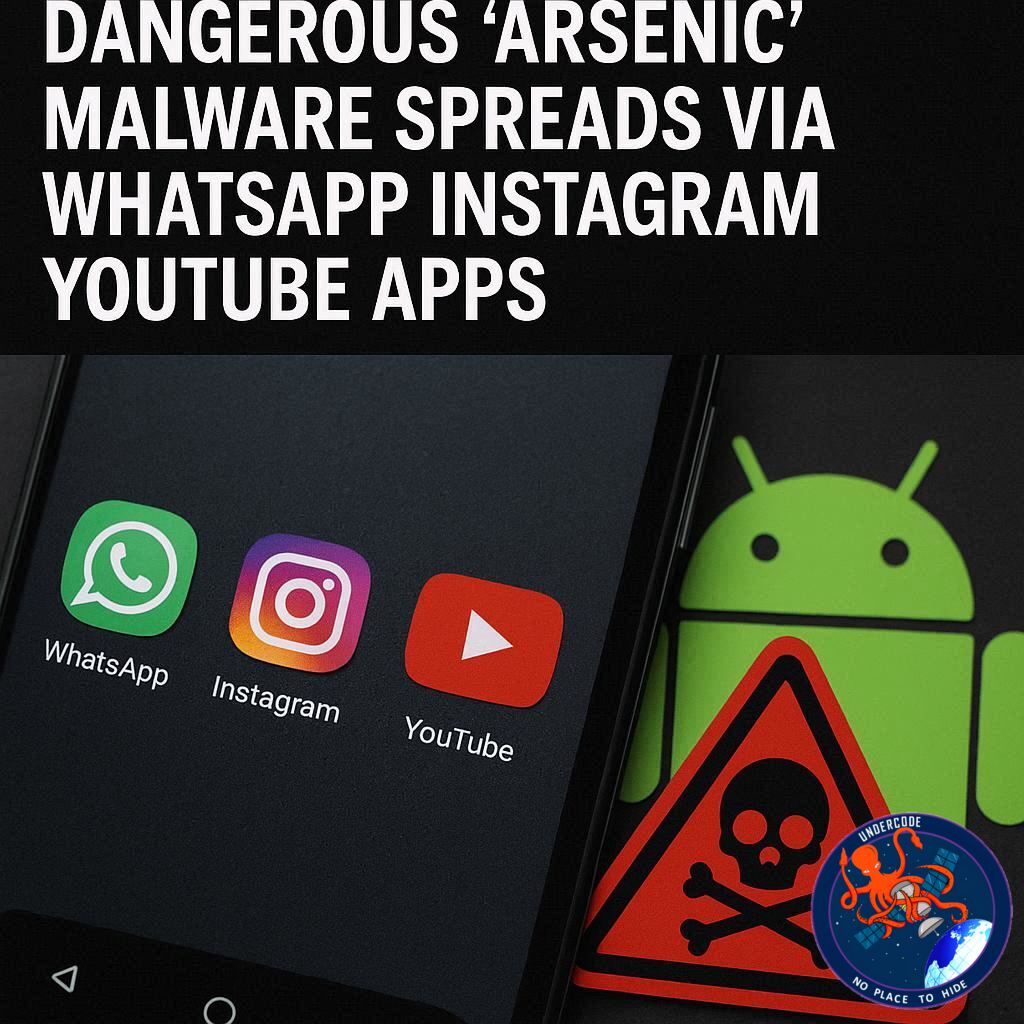
A Growing Android Security Threat Comes Into Focus
Google has issued a serious warning to millions of Android smartphone users worldwide as a new and highly dangerous malware continues to spread across popular apps and social platforms. The threat, known as Arsink Malware, is not an ordinary virus but a powerful cyberweapon designed to quietly infiltrate devices and hand over full control to attackers. Security experts warn that once a phone is infected, personal data, conversations, and even real-time activities may no longer be private.
Why Google’s Warning Matters Now
This alert arrives amid a surge in Android malware attacks that rely more on deception than technical exploits. Arsink malware spreads by masquerading as trusted applications, making it especially dangerous for everyday users who believe they are downloading harmless upgrades or premium features. Google’s intervention highlights how widespread and disruptive this campaign has become.
Summary of the Original
Arsink Malware Is Not a Typical Virus
Cybersecurity researchers describe Arsink as a Remote Access Trojan (RAT), meaning it allows attackers to remotely monitor and control infected Android devices. Unlike basic malware that focuses on ads or pop-ups, Arsink operates silently in the background, avoiding detection while harvesting sensitive information.
What Arsink Malware Can Do on an Infected Phone
Once installed, Arsink can read text messages, access call logs, steal contacts, record audio through the microphone, and browse files stored on the device. In some cases, attackers can even monitor user activity in real time, turning a smartphone into a surveillance tool.
Multiple Variants Make Detection Harder
According to mobile security firm Zimperium, Arsink exists in multiple variants. This constant evolution makes it harder for traditional security systems to identify and block the malware before it causes damage.
How Arsink Malware Spreads Across Popular Apps
Arsink does not usually come from the Google Play Store. Instead, it spreads through Telegram channels, Discord communities, third-party websites, and suspicious download links. The malware often disguises itself as “Mod” or “Premium” versions of popular apps like WhatsApp, Instagram, Facebook, YouTube, Spotify, and TikTok.
Users Are Tricked by Familiar App Names
Attackers rely on trust and curiosity. By using well-known app names and promising unlocked features, they persuade users to install malicious apps without realizing the risk involved.
Google Confirms Play Store Is Not Affected
Google has clarified that no versions of Arsink malware are available on the Google Play Store. Devices with Google Play Protect enabled are automatically shielded from these malicious applications.
Google and Researchers Take Action
Google has partnered with cybersecurity researchers to identify and shut down servers and cloud infrastructure linked to Arsink malware. This coordinated effort has helped reduce the malware’s operational reach.
Practical Steps to Stay Safe
Users are advised to download apps only from the Play Store, avoid modified or cracked apps, ignore suspicious links, review app permissions carefully, keep Play Protect enabled, and regularly update their Android devices.
What Undercode Say:
Arsink Reflects a Shift in Mobile Cybercrime
Arsink malware represents a growing shift in cybercrime tactics, where attackers prioritize social engineering over complex exploits. Instead of hacking Android itself, they exploit user trust, impatience, and curiosity.
“Mod Culture” Is Becoming a Major Security Risk
The popularity of modded and premium-unlock apps has created a massive attack surface. Many users underestimate the risk of installing unofficial apps, assuming malware only comes from obscure or unknown sources.
RAT Malware Turns Phones Into Spy Devices
Unlike older Android threats that focused on advertising revenue, RATs like Arsink transform smartphones into surveillance tools. This elevates the threat from financial loss to personal privacy and safety concerns.
Messaging Apps Are the New Infection Gateways
The use of Telegram, Discord, and messaging platforms as distribution channels shows how attackers are adapting to modern online behavior. These platforms feel informal and trustworthy, lowering users’ defenses.
Google Play Protect Is No Longer Optional
This incident reinforces that Play Protect is not just a background feature but a critical security layer. Users who disable it or ignore warnings expose themselves to unnecessary risk.
Android’s Open Ecosystem Cuts Both Ways
Android’s flexibility is one of its strengths, but it also allows sideloading, which attackers exploit. Arsink demonstrates how openness without caution can quickly become a liability.
Malware Campaigns Are Becoming Professional
The infrastructure behind Arsink, including cloud servers and multiple variants, suggests organized and well-funded operations rather than isolated hackers.
Education Is the Strongest Defense
No security system can fully protect users who ignore warnings and permissions. Awareness remains the most effective defense against modern mobile malware.
Trust in App Names Is No Longer Enough
Seeing a familiar logo or app name is no longer a guarantee of safety. Users must verify sources, permissions, and developer authenticity before installing anything.
This Is Likely Just One of Many Similar Threats
Arsink is unlikely to be the last malware of its kind. As long as modded apps remain popular, similar threats will continue to emerge.
Fact Checker Results
Google Confirmation
✅ Google confirmed that Arsink malware is not available on the Play Store and that Play Protect blocks it.
Security Research Validation
✅ Zimperium and other researchers identified Arsink as a Remote Access Trojan with multiple variants.
Distribution Channels
❌ No verified evidence suggests Arsink spreads through official app store updates.
Prediction
🔮 Android malware will increasingly rely on fake “premium” apps to bypass user skepticism.
🔮 Google is likely to tighten restrictions on sideloading and permissions in future Android versions.
🔮 User education will become as important as antivirus protection in mobile security.
🕵️📝✔️Let’s dive deep and fact‑check.
References:
Reported By: zeenews.india.com
Extra Source Hub (Possible Sources for article):
https://www.instagram.com
Wikipedia
OpenAi & Undercode AI
Image Source:
Unsplash
Undercode AI DI v2
Bing
🔐JOIN OUR CYBER WORLD [ CVE News • HackMonitor • UndercodeNews ]
📢 Follow UndercodeNews & Stay Tuned:
𝕏 formerly Twitter 🐦 | @ Threads | 🔗 Linkedin | 🦋BlueSky | 🐘Mastodon


