
Listen to this Post
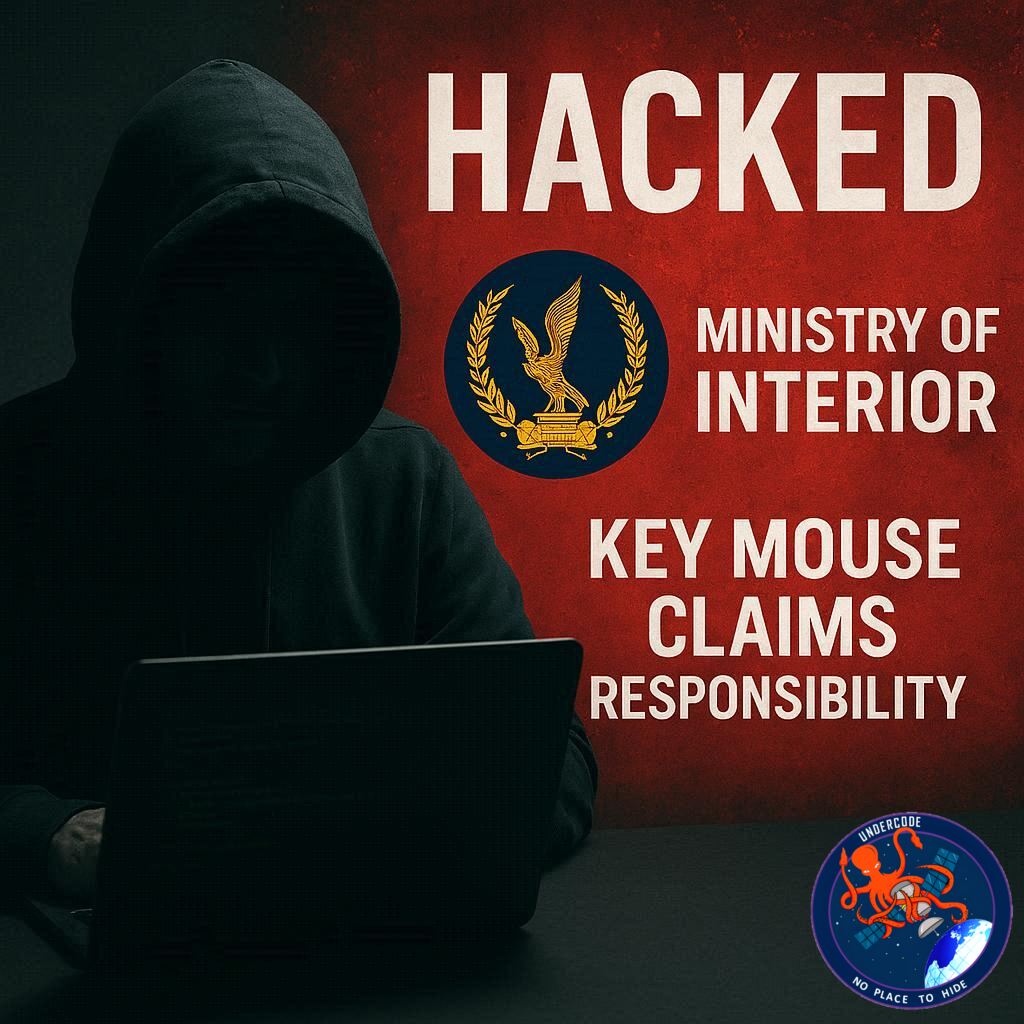
The Egyptian Ministry of Interior reportedly faced a major cyber disruption this week, as the hacktivist group Keymous+ claimed responsibility for taking the ministry’s website offline. While official statements from the government are still pending, multiple global checks indicate that the website has been inaccessible for several hours. The incident highlights the growing threat of cyberattacks targeting government institutions in the region, raising questions about digital security preparedness and the potential wider impact on public services.
the Incident
According to reports from Dark Web Intelligence (@DailyDarkWeb), the hacktivist collective Keymous+ appears to have executed a disruption campaign against the Egyptian Ministry of Interior. Preliminary analyses suggest a Distributed Denial of Service (DDoS) attack, as the website experienced persistent connection timeouts consistent with high-volume traffic overloads.
Multiple regions confirmed the website’s inaccessibility, pointing to a broad-scale impact rather than a localized technical issue. While there has been no official confirmation from the Egyptian authorities, the outage pattern mirrors recent coordinated DDoS operations observed across North Africa and the Middle East.
The attack underscores a growing trend where government infrastructure—particularly websites and online services—has become a primary target for hacktivist campaigns. These attacks are not just symbolic; they disrupt communication channels, public access to services, and can erode trust in digital governance systems.
Key takeaways include:
Target: Egyptian Ministry of Interior
Likely Method: DDoS attack, based on observed traffic patterns
Impact: Nationwide website outage confirmed via global checks
Status: Website still down at the time of reporting
Context: Aligns with ongoing hacktivist campaigns across the region targeting government institutions
The incident also reflects a broader cyber landscape where politically or socially motivated groups exploit vulnerabilities in public sector digital infrastructure. While the immediate disruption is contained to the ministry’s website, these attacks can serve as precursors to more sophisticated intrusions, such as data breaches or ransomware campaigns.
What Undercode Says:
Rising Hacktivist Influence in Government Cybersecurity
Hacktivist groups like Keymous+ are increasingly demonstrating their capability to disrupt government services at scale. Their operations are often strategic, targeting symbolic institutions to gain attention and influence public discourse. Egypt’s Ministry of Interior, being a key governmental body, represents a high-value target in this context.
Vulnerabilities in Critical Digital Infrastructure
The attack exposes potential weaknesses in Egypt’s online governmental infrastructure. Despite previous investments in cybersecurity, the reliance on traditional web defenses may be insufficient against sustained DDoS campaigns, which are becoming more sophisticated and geographically distributed.
Regional Cybersecurity Patterns
This event fits within a larger pattern of coordinated attacks across North Africa and the Middle East, often aligned with hacktivist movements that have political or ideological motivations. Such attacks are not purely disruptive—they carry the potential to influence public perception, especially when communication channels are temporarily severed.
Operational Implications for Public Services
Website outages, even temporary ones, can have a ripple effect on public service delivery. Citizens who rely on online portals for permits, reporting, and inquiries may face delays, and this can indirectly affect public confidence in governmental efficiency and cybersecurity readiness.
Risk of Escalation and Copycat Attacks
High-profile disruptions may inspire other groups to attempt similar operations, potentially escalating the frequency and scale of attacks. Governments in the region may need to adopt both defensive and proactive cybersecurity measures to mitigate these risks.
Technological and Strategic Countermeasures
Beyond firewalls and traffic filters, proactive measures such as distributed mitigation systems, AI-based anomaly detection, and cross-regional cybersecurity collaboration can help reduce the impact of such attacks.
Broader Cybersecurity Awareness
The incident serves as a reminder to governmental agencies globally: digital infrastructure is not only a technical asset but also a strategic vulnerability. Investment in training, resilience planning, and transparent communication strategies is essential to withstand and recover from such cyber disruptions.
Implications for Hacktivist Messaging
The operational visibility of attacks like this allows groups such as Keymous+ to amplify their message. Whether political, ideological, or social, their campaigns leverage the disruption as a platform for influence, increasing both the perceived and real impact of their operations.
Importance of Real-Time Intelligence
Real-time monitoring and threat intelligence—especially from OSINT and dark web sources—become critical for early detection and rapid response. Agencies must integrate these insights to anticipate potential disruptions before they occur.
Strategic Recommendations
Governments should prioritize redundancy in critical online systems, strengthen regional cybersecurity collaboration, and continuously evaluate threat actor tactics. Preparedness not only mitigates immediate damage but also safeguards public trust.
🔍 Fact Checker Results
✅ Claim Verified: Keymous+ reported taking down the Ministry’s website via social media channels.
✅ Likely Method: Outage patterns are consistent with DDoS attacks.
❌ Official Confirmation: Egyptian authorities have not publicly confirmed the attack at the time of reporting.
📊 Prediction
Given the current trend of hacktivist activity in North Africa, it is likely that Egypt—and other regional governments—will face repeated DDoS and potentially more sophisticated cyberattacks in the coming months. Strengthening digital resilience and public communication strategies will be essential to prevent erosion of trust and service disruption. Additionally, successful disruptions could embolden similar groups, increasing the overall cybersecurity risk landscape across the region.
🕵️📝✔️Let’s dive deep and fact‑check.
References:
Reported By: x.com
Extra Source Hub (Possible Sources for article):
https://stackoverflow.com
Wikipedia
OpenAi & Undercode AI
Image Source:
Unsplash
Undercode AI DI v2
Bing
🔐JOIN OUR CYBER WORLD [ CVE News • HackMonitor • UndercodeNews ]
📢 Follow UndercodeNews & Stay Tuned:
𝕏 formerly Twitter 🐦 | @ Threads | 🔗 Linkedin | 🦋BlueSky | 🐘Mastodon


