
Listen to this Post
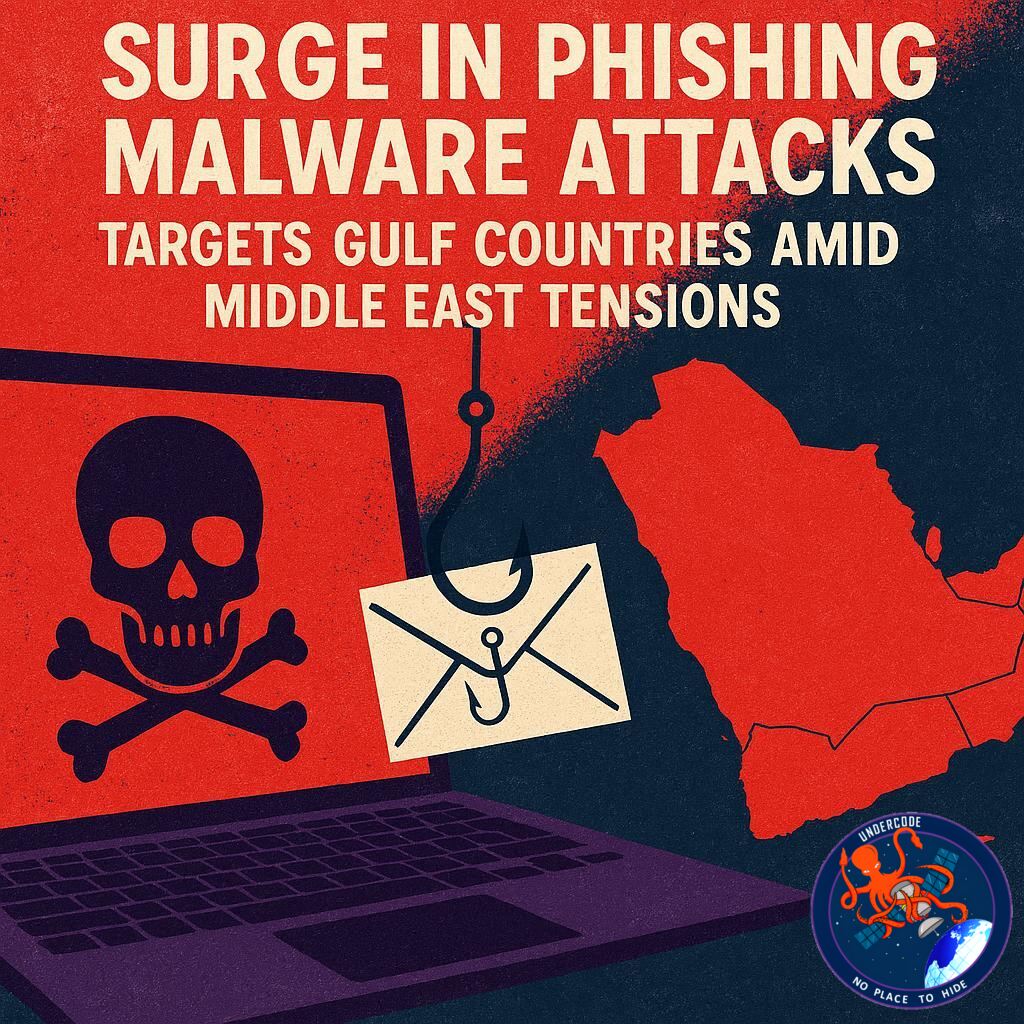
Rising Cyber Threats in the Gulf Region
Since the escalation of tensions involving Israel, the United States, and Iran, Gulf countries have seen a dramatic increase in phishing and malware campaigns. Cybersecurity researchers at Bitdefender Antispam Labs have reported a sustained surge in malicious activity, particularly starting on February 28. Prior to this date, phishing campaigns were sporadic and inconsistent. However, the post-February 28 pattern shows a clear and coordinated spike, with malicious emails doubling within days and peaking at nearly four times baseline levels. These attacks are not random; they are crafted to exploit regional sensitivities and business disruptions, taking advantage of the geopolitical climate to deceive targets.
Sophisticated Phishing Tactics Observed
The attacks are meticulously tailored to mimic legitimate business workflows in the Gulf. Researchers observed recurring themes in the phishing campaigns:
Banking and Financial Scams
Attackers impersonate bank representatives, using realistic signatures and corporate formatting to trick recipients. Emails often request sensitive information under the guise of account verification, transaction approvals, or financial documentation.
Shipping and Delivery Notifications
Some campaigns exploit routine business operations, sending fake shipping or delivery alerts that create urgency, encouraging recipients to click on links or download attachments.
Government and Contract Communications
Other emails imitate official government correspondence, legal notices, or contract updates, leveraging authority to pressure recipients into opening malicious files.
Malicious Attachments and Obfuscation
Many phishing emails contain attachments that are far from benign. One notable example is a fake invoice written in Arabic, which, when opened, deploys STRRAT malware via a Java-based executable (JAR). The malware is heavily obfuscated, using dummy files and base64-encoded configuration data to evade detection. Its GUI disguises itself as a legitimate Java utility, increasing the likelihood of user trust and execution.
Persistence and Command-and-Control Operations
Once installed, malware persists by copying itself across system directories, including startup folders, and may even create scheduled tasks to relaunch every 30 minutes. It also communicates with command-and-control servers using domains referencing the geopolitical conflict, indicating careful coordination between social engineering tactics and operational infrastructure.
Targeted Business Conversations
Another campaign uses financial-themed lures, masquerading as legitimate communications from Saudi Awwal Bank. Attachments disguised as .rar files containing HTA scripts allow attackers to execute complex, multi-stage attacks on Windows systems. These attacks exploit everyday corporate workflows to gain access to sensitive business operations.
Strategic Implications of Targeting Gulf Countries
Gulf countries are particularly attractive to cybercriminals due to their high financial activity and regional influence. Credential theft, financial fraud, and corporate espionage are primary goals, with attacks blending seamlessly into legitimate business processes. While no specific state-sponsored actor has been identified, the timing and targeting suggest a sophisticated understanding of regional vulnerabilities.
What Undercode Says:
Real-Time Exploitation of Geopolitical Tensions
The spike in phishing and malware campaigns demonstrates how attackers exploit geopolitical events for cyber advantage. The rapid adaptation and targeting reflect a high level of operational sophistication. This is not mere opportunism; attackers are using real-time intelligence to craft campaigns that are contextually relevant, increasing their likelihood of success.
Importance of Workflow Awareness
These campaigns succeed because they imitate routine workflows—banking communications, shipping notices, and government correspondence. Businesses must recognize that everyday operations can be weaponized. Organizations in the Gulf should prioritize employee training to recognize subtle red flags and implement verification protocols for sensitive requests.
Advanced Malware Techniques
The use of obfuscation, visual deception, and persistence shows that attackers are no longer just sending spam—they are embedding long-term threats into systems. Malware like STRRAT is engineered to avoid detection, maintain a foothold, and communicate with command-and-control servers, making cleanup and mitigation challenging.
Sector-Specific Targeting
Financial institutions, SMEs, and government-facing enterprises are primary targets. Campaigns referencing financing, bank guarantees, and contracts indicate the attackers are mapping their attacks to organizational structures and decision-making processes, enhancing the chance of compromising high-value targets.
Human Element and Social Engineering
The campaigns reveal the critical role of social engineering. By exploiting trust in familiar workflows, attackers reduce the likelihood of suspicion. Employees must treat routine communications with caution and validate unexpected requests, particularly those involving attachments or financial transactions.
Implications for Cybersecurity Strategy
These attacks highlight the need for a multi-layered defense strategy: advanced email filtering, endpoint protection, real-time threat intelligence, and rigorous employee education. Organizations must assume that phishing campaigns are not static and adjust their defenses in real-time to counter evolving threats.
Broader Regional Risk
The Gulf’s geopolitical importance makes it a magnet for cyber threats. As attackers link their campaigns to current events, geopolitical events indirectly shape cyber risk. Organizations should integrate geopolitical intelligence into cybersecurity planning to anticipate surges in malicious activity.
Need for Collaborative Defense
Collaboration between government agencies, financial institutions, and private cybersecurity firms is vital. Sharing threat intelligence can help anticipate and mitigate large-scale attacks, particularly those exploiting regional instability.
Continuous Monitoring and Analysis
Phishing campaigns are no longer isolated incidents. Continuous monitoring of email traffic, suspicious attachments, and domain activity is essential to detect patterns early. Automated tools combined with human analysis provide the best chance of intercepting attacks before they cause damage.
Regulatory and Compliance Considerations
Financial and governmental entities must ensure that cybersecurity practices comply with international standards. Compliance with frameworks like ISO 27001 or NIST not only protects data but also improves readiness against sophisticated, context-aware attacks.
Psychological Manipulation in Emails
Attackers rely heavily on urgency and trust. Email analysis shows that subtle psychological cues—such as professional formatting, real-sounding names, and context-specific references—significantly increase the likelihood of successful compromise.
Long-Term Implications
Persistent malware and strategic phishing indicate that attackers may maintain long-term access for corporate espionage or financial theft. Organizations must adopt proactive, long-term threat hunting strategies instead of reacting only after breaches occur.
Recommendations for SMEs
Small and medium enterprises are particularly vulnerable. Simple best practices—two-factor authentication, attachment scanning, and employee awareness campaigns—can dramatically reduce risk without requiring massive budgets.
Technology and Human Synergy
Automated detection alone is insufficient. Human judgment remains crucial for spotting anomalies in workflow-targeted campaigns. Cybersecurity teams should combine automated monitoring with regular audits and scenario-based drills.
Outlook for Gulf Cybersecurity
The combination of regional tensions and sophisticated campaigns suggests a period of elevated risk. Organizations must treat phishing and malware campaigns as persistent threats, not temporary spikes.
🔍 Fact Checker Results:
Verified Trends
✅ Bitdefender reported a significant surge in phishing and malware in Gulf countries starting February 28.
Campaign Analysis
✅ Campaigns used banking, shipping, and government-themed lures with malicious attachments like JAR and HTA files.
Attribution Status
❌ No state-sponsored actor has been officially attributed; activity reflects opportunistic and strategic targeting.
📊 Prediction:
Cybersecurity threats in Gulf countries are likely to remain elevated as long as regional tensions persist. Attackers will continue refining social engineering tactics, focusing on high-value targets in finance, government, and SMEs. Organizations that fail to integrate real-time threat intelligence and employee awareness programs will remain particularly vulnerable. The next phase of attacks may leverage AI-generated emails and multilingual social engineering to further deceive recipients and bypass traditional security measures.
If you want, I can also create a visually engaging infographic summarizing the attacks and malware techniques to accompany this article, making it easier for readers to digest complex cybersecurity threats.
🕵️📝✔️Let’s dive deep and fact‑check.
References:
Reported By: www.bitdefender.com
Extra Source Hub (Possible Sources for article):
https://www.facebook.com
Wikipedia
OpenAi & Undercode AI
Image Source:
Unsplash
Undercode AI DI v2
Bing
🔐JOIN OUR CYBER WORLD [ CVE News • HackMonitor • UndercodeNews ]
📢 Follow UndercodeNews & Stay Tuned:
𝕏 formerly Twitter 🐦 | @ Threads | 🔗 Linkedin | 🦋BlueSky | 🐘Mastodon


