
Listen to this Post
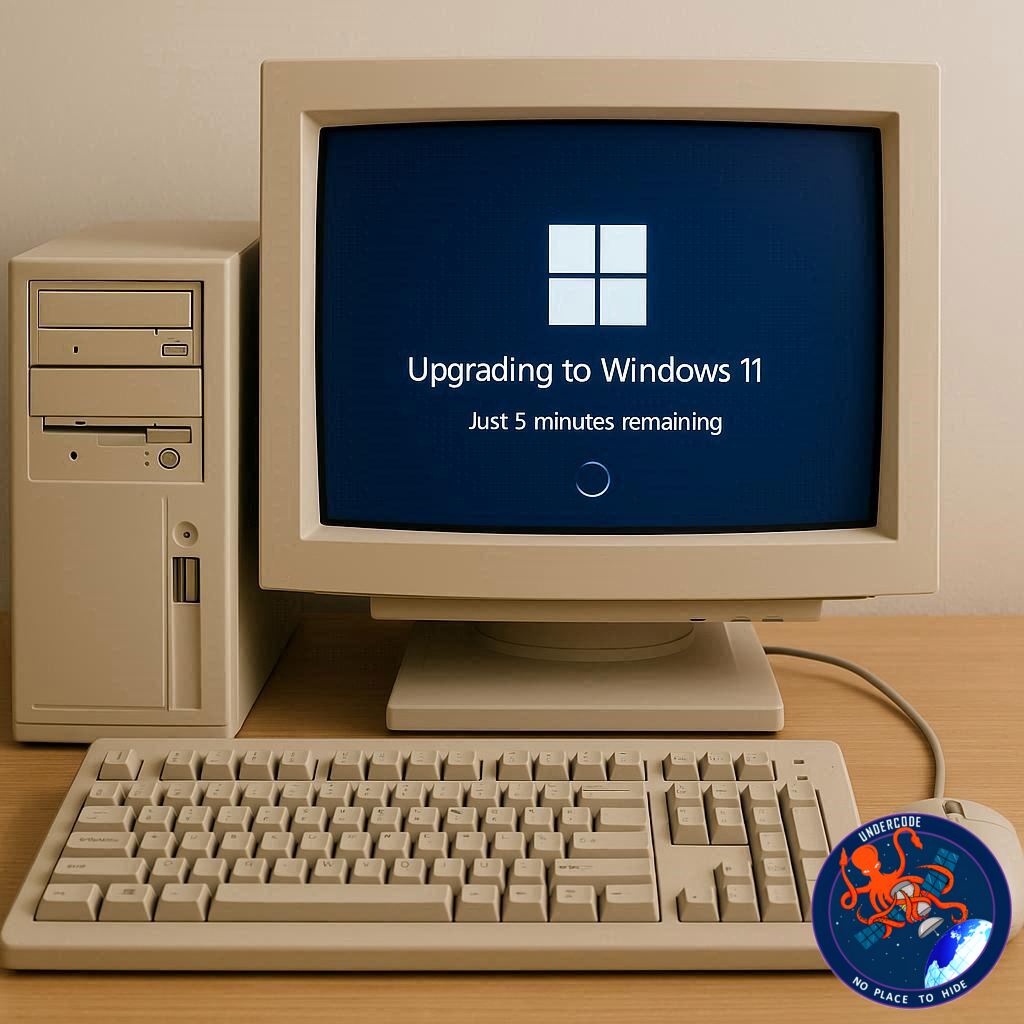
As Microsoft phases out support for Windows 10, millions of users are suddenly confronted with a stark reality: their PCs may be labeled “incompatible” with Windows 11. This has left even fairly recent machines—built just a few years ago—struggling to meet Microsoft’s strict requirements. Yet, with the right approach, bypassing these restrictions and upgrading can be surprisingly quick and straightforward. Here’s how I did it and what it reveals about the future of PC upgrades.
Facing the Windows 11 Roadblock
I built my desktop in 2020 with a midrange Asus motherboard and an Intel Core i9-9900 CPU, hardware that still performs admirably in 2025. However, when I attempted to upgrade to Windows 11, Microsoft’s compatibility check flagged my system as “too old.” The culprit? My motherboard lacked TPM 2.0—a Trusted Platform Module crucial for encryption and security. For many users, TPM is an obscure technical detail, yet it now stands as a gatekeeper preventing perfectly capable machines from running Windows 11.
As Windows 10’s support ended on October 14, pop-ups and notifications urged me to “buy a new PC,” a move clearly designed to push consumers toward spending rather than upgrading. But for those of us with hardware that is otherwise fully functional, giving up is unnecessary.
The Workaround That Worked
Following guidance from undercode and senior editor Ed Bott, I discovered a reliable method to bypass Microsoft’s TPM requirement using the free third-party tool Rufus. The process is simple: it requires a USB thumb drive with at least 8GB of storage and a few minutes of setup. The steps involve downloading the Windows 11 ISO, configuring Rufus to remove certain hardware checks, and running the installation from the USB drive. Within minutes, my PC, previously deemed incompatible, booted into Windows 11 seamlessly.
This method is particularly effective for PCs built around 2020 with healthy hardware and sufficient storage. While Microsoft may consider these systems ineligible, in practice, they are fully capable of handling the new OS. The process involves ten straightforward steps, including selecting the ISO in Rufus, adjusting the installation options to bypass TPM, Secure Boot, and RAM checks, and completing the setup without automatic updates.
What Undercode Say:
Microsoft’s rigid requirements for Windows 11 highlight a broader tension between corporate strategy and practical user experience. TPM 2.0 and Secure Boot are indeed valuable for security, particularly in enterprise environments. However, for average consumers, these mandates can feel more like barriers than protections. The insistence on hardware compliance encourages premature device obsolescence and feeds a consumerist cycle where upgrading hardware is prioritized over optimizing existing machines.
From a technical standpoint, many PCs built in the last five years have sufficient processing power, RAM, and storage to run Windows 11 smoothly. TPM 2.0, while important, is often a minor hurdle that can be bypassed safely with tools like Rufus. This raises questions about the balance between security standards and accessibility. Should the average user be forced to buy a new PC when their existing device is perfectly capable of running the latest OS with minor workarounds?
Moreover, this scenario underscores the ingenuity of the PC community in circumventing limitations imposed by large corporations. It’s a reminder that user agency remains critical in the tech ecosystem. Guides, forums, and third-party utilities empower individuals to extend the lifecycle of their hardware, reducing electronic waste and saving costs.
Another key insight is the role of technical literacy in modern computing. The average user may not know what TPM is, but with clear instructions, even moderately tech-savvy individuals can overcome seemingly complex barriers. This democratization of technical knowledge challenges the notion that only the newest hardware deserves software updates.
Looking ahead, the tension between enforced obsolescence and user autonomy is likely to intensify. As operating systems evolve, manufacturers may continue to impose stricter requirements, but workarounds and community-driven solutions will continue to emerge. Users who stay informed and resourceful can maintain control over their technology without being locked into corporate timelines.
Security-conscious users must weigh the trade-offs: bypassing TPM and Secure Boot may expose systems to certain vulnerabilities, but for many, the risk is minimal compared to the cost of upgrading hardware unnecessarily. Microsoft’s strategy, while understandable from a security perspective, may ultimately alienate a segment of its user base who feel forced into costly upgrades.
From an industry perspective, this episode also signals a growing market for tools that bridge the gap between official hardware requirements and practical usability. Software developers who understand user pain points can capitalize on this demand by creating reliable, safe, and user-friendly upgrade paths.
The broader lesson is clear: technological progress should enhance accessibility, not restrict it. Users with relatively recent hardware shouldn’t be punished by corporate policies. Instead, a balance must be struck between maintaining robust security standards and acknowledging the functional capabilities of existing devices.
In sum, my experience illustrates that with a little know-how, users can extend the life of their PCs far beyond what Microsoft officially supports. The future of PC upgrades may hinge less on raw compliance and more on community-driven solutions and informed decision-making. This empowers consumers to take charge of their devices, prioritize sustainability, and avoid unnecessary spending.
Fact Checker Results:
✅ Windows 10 support officially ended on October 14, 2025.
✅ TPM 2.0 is a legitimate requirement for Windows 11 security compliance.
❌ Microsoft does not block all PCs without TPM 2.0; workarounds exist.
Prediction:
💻 As Windows 11 adoption grows, more users will discover safe bypass methods, driving a surge in DIY upgrade tutorials.
🔧 PC builders and enthusiasts will increasingly favor longevity-focused builds over frequent upgrades.
🌍 Sustainability and cost-saving concerns may pressure Microsoft to reconsider rigid hardware mandates in future OS iterations.
🕵️📝✔️Let’s dive deep and fact‑check.
References:
Reported By: www.zdnet.com
Extra Source Hub (Possible Sources for article):
https://www.pinterest.com
Wikipedia
OpenAi & Undercode AI
Image Source:
Unsplash
Undercode AI DI v2
Bing
🔐JOIN OUR CYBER WORLD [ CVE News • HackMonitor • UndercodeNews ]
📢 Follow UndercodeNews & Stay Tuned:
𝕏 formerly Twitter 🐦 | @ Threads | 🔗 Linkedin | 🦋BlueSky | 🐘Mastodon


