
Listen to this Post
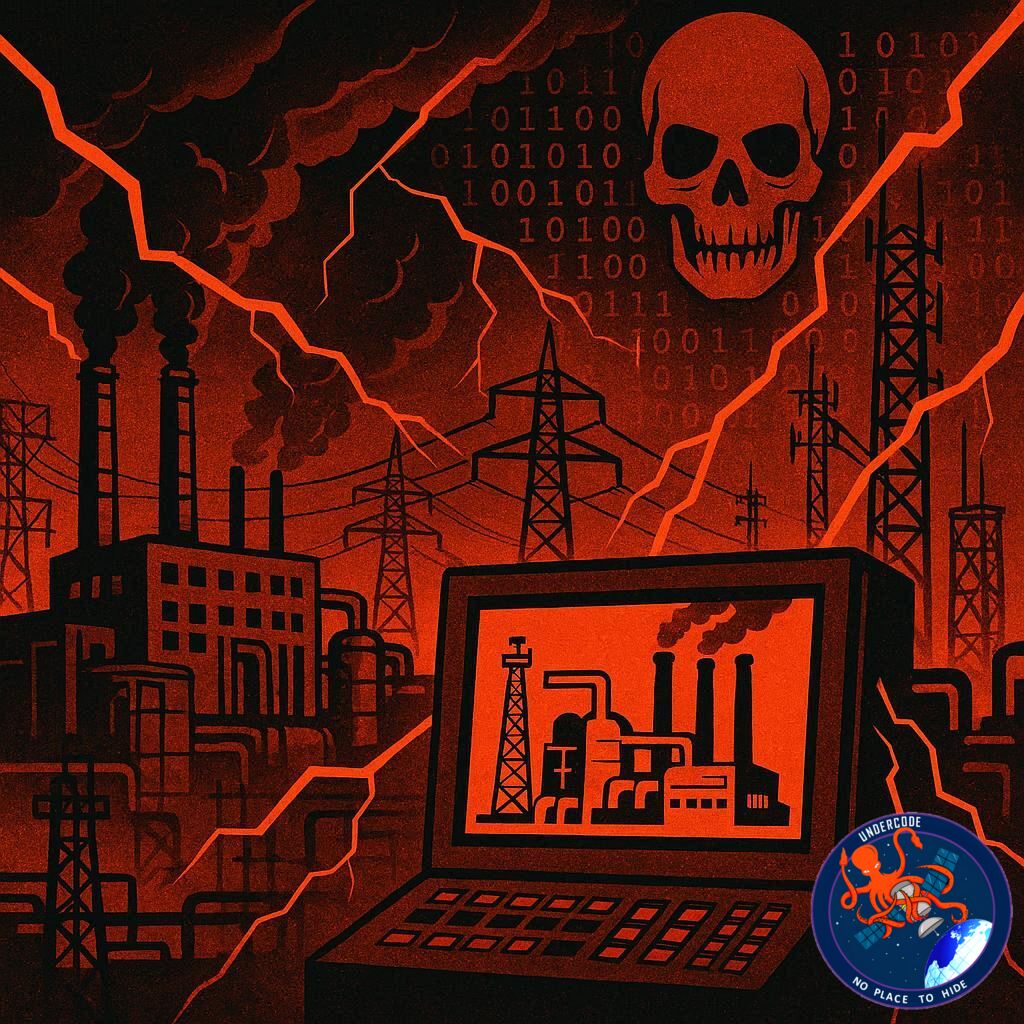
A Rising Digital Threat to Physical Systems
As global tensions intensify, the battlefield is no longer confined to land, air, or sea. A quieter yet far more dangerous conflict is unfolding in cyberspace, targeting the very systems that power modern civilization. From energy grids to water treatment facilities, industrial control systems are increasingly exposed to cyberattacks, raising urgent concerns about national security and public safety. Recent warnings from the US government and new research findings reveal a troubling reality: critical infrastructure remains dangerously vulnerable, and adversaries are actively exploiting these weaknesses.
the Emerging Cyber Threat Landscape
Recent investigations into operational technology environments have uncovered a concerning number of exposed industrial devices accessible through the internet. Researchers identified at least 179 systems using the Modbus protocol that allow unauthenticated access, meaning attackers could potentially interact with these systems without any credentials. While this number may appear small, the implications are severe, as these devices are often tied to essential infrastructure such as national railways and energy grids.
The vulnerabilities stem largely from outdated security practices, including default configurations, lack of authentication mechanisms, and poor network segmentation. Many of these systems are directly connected to the internet, creating an open door for malicious actors. Experts emphasize that while most cyberattacks still begin in traditional IT environments before moving into operational systems, direct attacks on exposed industrial devices are becoming increasingly common.
Government agencies have specifically warned about state-sponsored groups targeting programmable logic controllers, which are critical components used to automate industrial processes. These devices play a central role in managing operations across sectors like water treatment and energy production. Recent incidents, including cyber intrusions into renewable energy infrastructure, highlight the growing sophistication and intent of attackers.
Additionally, cyber espionage tactics have expanded beyond traditional targets. Attackers are leveraging internet-connected cameras and sensors to gather intelligence, monitor activity, and assess the impact of physical attacks. This blending of cyber and physical intelligence operations signals a new phase in modern conflict.
The threat landscape is further complicated by the involvement of both nation-state actors and loosely affiliated proxy groups. These entities often operate independently yet align with broader geopolitical objectives, making attribution and response more difficult. Even during periods of reduced physical conflict, cyberattacks continue unabated, as digital operations provide a low-risk, high-impact alternative.
A significant challenge facing organizations is the lack of visibility within their own systems. Studies show that fewer than 10 percent of operational technology networks have adequate monitoring in place. This visibility gap means that many attacks go undetected until they cause noticeable disruptions. In many cases, incidents are only discovered after operational anomalies occur, rather than through proactive detection.
Furthermore, external scanning tools used to identify vulnerabilities often fail to detect devices hidden behind internal networks or protected by basic firewalls. However, once attackers gain initial access, these internal weaknesses become critical points of exploitation. Poor credential management, insufficient monitoring, and lack of segmentation allow attackers to move laterally and gain deeper control over systems.
The convergence of cyber and physical threats underscores the urgent need for stronger security practices across industrial environments. As attackers become more targeted and precise in their methods, the risks to critical infrastructure continue to grow, with potentially serious real-world consequences.
What Undercode Say:
Cyberwarfare Is Quietly Redefining Modern Conflict
The most striking element in this situation is not just the vulnerability itself, but the strategic shift it represents. Industrial control systems were never originally designed with cybersecurity in mind. Their primary purpose was efficiency and reliability, not defense against internet-based threats. Now, decades later, these legacy systems are being forced into a hostile digital environment they were never built to survive.
The Real Risk Lies Beyond the Numbers
The figure of 179 exposed devices may sound insignificant at first glance, but that interpretation misses the bigger picture. Each of these systems is not just a device, it is a gateway into critical infrastructure. One compromised controller in a power grid or railway system can trigger cascading failures, potentially disrupting entire regions. The scale of impact is disproportionate to the number of vulnerabilities.
Direct Targeting Signals a Dangerous Evolution
Historically, attackers preferred indirect methods, infiltrating corporate IT networks before moving into operational systems. This approach minimized risk and increased success rates. However, the growing trend of directly targeting exposed industrial devices suggests a higher level of confidence and capability among attackers. It also indicates that these actors are no longer just probing defenses, they are preparing for potential disruption.
Blurred Lines Between State and Non-State Actors
Another critical dimension is the increasing overlap between state-sponsored hackers and independent cyber groups. These proxy actors create plausible deniability while maintaining pressure on adversaries. This hybrid threat model complicates defense strategies, as organizations must now prepare for both highly sophisticated attacks and opportunistic exploits occurring simultaneously.
Visibility Remains the Weakest Link
One of the most alarming insights is the lack of visibility within operational environments. Without proper monitoring, organizations are essentially operating blind. This is not just a technical issue but a strategic failure. If nearly half of incidents are detected only after disruptions occur, it means defenses are reactive rather than proactive.
Internal Weaknesses Are the True Battlefield
External exposure is only part of the problem. Once attackers breach the perimeter, internal vulnerabilities become the real battleground. Weak credentials, lack of segmentation, and insufficient monitoring create an environment where attackers can move freely. These are not advanced exploits, they are fundamental security gaps that persist due to neglect or complexity.
Cybersecurity Must Become Operational Priority
The traditional separation between IT and operational technology security is no longer viable. Industrial systems must adopt the same level of cybersecurity rigor as enterprise environments, if not more. This includes continuous monitoring, strict access controls, and regular vulnerability assessments tailored specifically for operational contexts.
The Cost of Inaction Is Physical
Unlike typical data breaches, attacks on industrial systems carry physical consequences. Power outages, water contamination, and transportation disruptions are not theoretical risks, they are real outcomes. This elevates cybersecurity from a business concern to a public safety imperative.
Fact Checker Results
✅ Industrial devices exposed without authentication have been identified and verified by security researchers
✅ Nation-state and proxy cyber actors are actively targeting critical infrastructure systems
❌ The number of vulnerable devices is not exhaustive and likely represents only a fraction of the real exposure
Prediction
Cyberattacks on industrial systems will become more targeted and frequent ⚠️
Governments will introduce stricter regulations for critical infrastructure cybersecurity 🛡️
Organizations that fail to modernize OT security will face real-world operational disruptions ⚡
🕵️📝✔️Let’s dive deep and fact‑check.
References:
Reported By: www.darkreading.com
Extra Source Hub (Possible Sources for article):
https://www.digitaltrends.com
Wikipedia
OpenAi & Undercode AI
Image Source:
Unsplash
Undercode AI DI v2
Bing
🔐JOIN OUR CYBER WORLD [ CVE News • HackMonitor • UndercodeNews ]
📢 Follow UndercodeNews & Stay Tuned:
𝕏 formerly Twitter 🐦 | @ Threads | 🔗 Linkedin | 🦋BlueSky | 🐘Mastodon


