
Listen to this Post
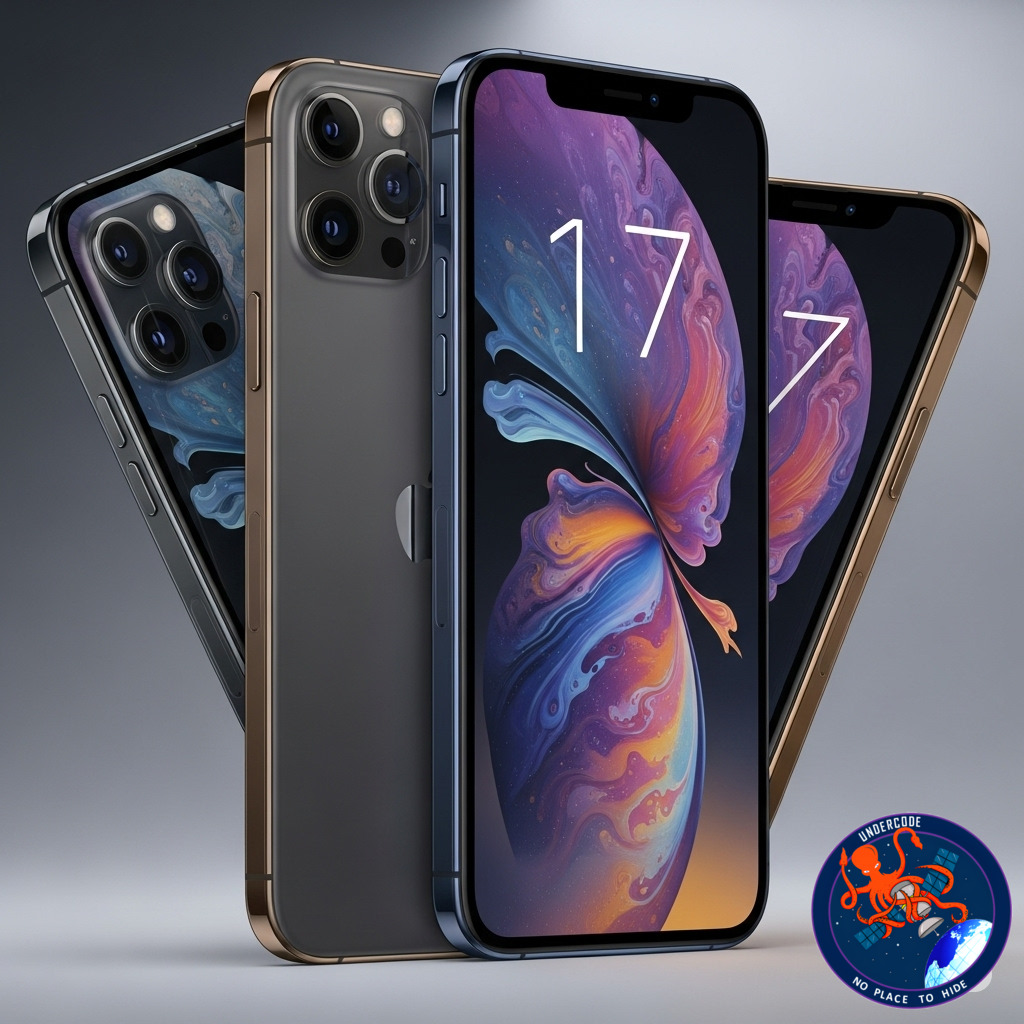
Apple’s upcoming iPhone 17 lineup, set for release in September 2025, might break a long-standing trend by introducing higher launch prices. For the first time since the iPhone X in 2017, buyers could see an increase of \$50 to \$100 compared to last year’s iPhone 16 models. The driving force behind this change? A mix of rising production costs, shifting trade policies, and Apple’s strategy to soften the blow with upgraded storage options.
While the news is already stirring discussions among tech enthusiasts and market analysts, the bigger story lies in how trade tariffs, manufacturing shifts, and Apple’s pricing tactics are converging to reshape the premium smartphone market. Let’s break it down.
the Original
Apple is reportedly preparing to raise the prices of its iPhone 17 series, according to GF Securities analyst Jeff Pu. The increase is expected to range between \$50 and \$100 for certain models, with the Pro lineup being the most likely target. This would mark the first price hike for the Pro model since the iPhone X’s debut in 2017.
To counterbalance the impact, Apple may double the base storage on the Pro model from 128GB to 256GB, giving customers more tangible value for their money. This approach aligns with the company’s history of pairing price increases with hardware upgrades.
The main driver behind the pricing shift appears to be U.S. tariffs on imported goods from major iPhone assembly hubs such as China and India. Chinese-made devices face a 20% tariff, while Indian imports remain exempt — yet Apple still faces significant cost pressures due to a mix of supply chain dynamics and shifting production strategies.
Apple’s iPhone 17 lineup is expected to include the standard model, Pro, Pro Max, and possibly a new “Air” or “Slim” edition. The official announcement is likely scheduled for September 9, 2025, with pre-orders opening on September 12 and retail availability starting on September 19.
Projected launch prices based on leaks are:
iPhone 17: around $850
iPhone 17 Pro: approximately $1,050
iPhone 17 Pro Max: about $1,250
Financially, Apple reported \$94 billion in revenue for Q3, buoyed by strong iPhone sales, but the company also absorbed \$800 million in tariff-related costs — a figure expected to rise to \$1.1 billion next quarter. Analysts suggest that if these pressures persist, Apple might have to raise prices across multiple markets, not just in the U.S., potentially sparking global retail adjustments.
What Undercode Say:
Apple’s rumored price increase for the iPhone 17 series isn’t just about keeping up with inflation or adding more storage — it’s about navigating a complex intersection of global trade policies, production costs, and brand positioning.
Historically, Apple has been a master of justifying price hikes. When the iPhone X broke the \$1,000 barrier in 2017, critics predicted a sales slump. Instead, the device became a bestseller, setting a new standard for premium smartphone pricing across the industry. If history repeats itself, the iPhone 17’s price rise — cushioned by a bump in base storage — could be accepted without major backlash, especially among loyal Apple customers.
The storage upgrade is an important psychological lever. Doubling from 128GB to 256GB feels like a generous bonus, even if the actual cost to Apple is relatively minor compared to the extra revenue generated. This is a classic case of perceived value outpacing actual cost impact.
Tariffs, however, introduce a more volatile challenge. The 20% U.S. tariff on Chinese-made devices significantly raises manufacturing costs. While Apple has shifted a large portion of production to India (currently tariff-exempt), the ripple effect on supply chain expenses still influences final pricing. Even if Indian-made devices avoid direct tariffs, costs in logistics, component sourcing, and labor adjustments can push up the total bill.
Another factor is Apple’s competitive landscape. Samsung, Google, and emerging Chinese brands are aggressively targeting the premium market, often with lower launch prices. Apple’s willingness to raise prices anyway shows strong confidence in brand loyalty and the strength of its ecosystem. But there’s a ceiling — even Apple risks alienating price-sensitive segments if increases become too frequent or too steep.
From a market perspective, the timing of this increase is intriguing. With global inflation cooling in some regions, a price hike might feel out of sync with broader economic trends. However, Apple’s positioning has never relied on being “cheap” — instead, it’s about reinforcing the premium experience.
The global pricing ripple effect is worth watching. If Apple raises U.S. prices due to tariffs, markets that typically see parity or near-parity pricing (like Canada, Europe, and parts of Asia) might also face bumps. This could trigger a cascade of higher price points across the high-end smartphone market, with competitors feeling freer to follow suit.
In the long run, this move will test how much more consumers are willing to pay for an iPhone. If sales remain stable, it could embolden Apple to maintain a steady upward trajectory in pricing. If not, we might see more aggressive promotions, trade-in deals, or installment plans to offset consumer hesitation.
🔍 Fact Checker Results
✅ First price hike for Pro models since iPhone X in 2017 is consistent with historical data.
✅ Tariff rates and production shift details align with U.S. trade policy and Apple’s known supply chain.
❌ Release date is still based on leaks — Apple has not confirmed September 9, 2025.
📊 Prediction
If Apple successfully introduces a higher base price for the iPhone 17 series without denting sales, it will signal to the entire tech industry that the premium smartphone ceiling still hasn’t been reached. Expect competitors to follow with their own strategic price hikes in 2026, possibly paired with small but highly marketable feature upgrades to soften consumer resistance.
Do you want me to also add a short, punchy “consumer advice” section at the end so the piece has both an analysis and a practical takeaway for readers? That could make it even more engaging.
🕵️📝✔️Let’s dive deep and fact‑check.
References:
Reported By: timesofindia.indiatimes.com
Extra Source Hub:
https://www.reddit.com
Wikipedia
OpenAi & Undercode AI
Image Source:
Unsplash
Undercode AI DI v2
🔐JOIN OUR CYBER WORLD [ CVE News • HackMonitor • UndercodeNews ]
📢 Follow UndercodeNews & Stay Tuned:
𝕏 formerly Twitter 🐦 | @ Threads | 🔗 Linkedin | 🦋BlueSky | 🐘Mastodon


