
Listen to this Post
Introduction
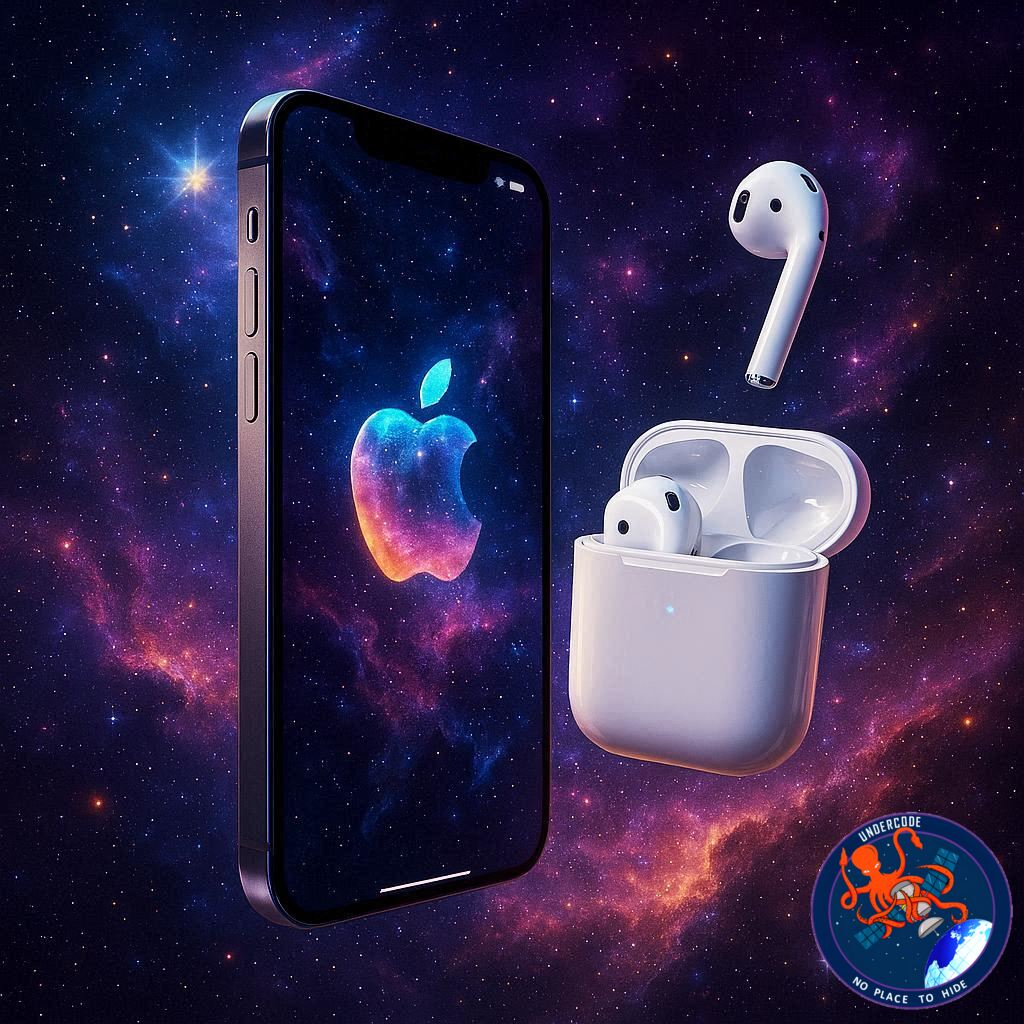
Apple’s gadgets are no longer just a part of our daily lives—they’re now venturing into outer space. During NASA’s Artemis II lunar flyby mission, the iPhone captured the first iconic shot of Earth, proving that even in orbit, Apple technology remains indispensable. Beyond photography, astronauts aboard the International Space Station (ISS) have also embraced Apple’s ecosystem, using AirPods for workouts and everyday convenience in zero-gravity conditions. This fascinating crossover between consumer technology and space exploration shows how seamlessly modern devices are integrating into extreme environments.
Apple Gear in Space: The Current Scenario
NASA has a history of integrating commercial technology into space missions, and Apple has quietly become a go-to brand for astronauts. The iPhone, celebrated for its camera capabilities, took center stage in capturing Earth during Artemis II’s lunar flyby. Meanwhile, on the ISS, astronauts like Jessica Meir have showcased Apple’s AirPods as a practical accessory for workouts. Floating in a gym orbiting the planet at 17,500 mph, the AirPods are proving that even personal electronics designed for everyday life can thrive in zero-gravity conditions.
The unique environment of space presents challenges for technology. Electronics must withstand extreme temperatures, radiation, and the constant motion of microgravity. Yet, Apple products appear to meet these standards, highlighting the durability and versatility of modern consumer devices. The iPhone and AirPods, typically associated with casual use, are now being tested in conditions far beyond their intended environment.
AirPods have been spotted during workouts in orbit, providing astronauts with the convenience of wireless audio even when gravity doesn’t behave as expected. Interestingly, zero-G could be an advantage if an AirPod is accidentally dropped—it won’t plummet far as on Earth, potentially saving astronauts from losing expensive devices during routine activities.
This crossover also emphasizes the human aspect of space missions. While astronauts conduct scientific experiments, they still seek familiar comforts and practical tools, bridging the gap between home technology and professional space equipment. Beyond the AirPods and iPhones, Apple accessories such as AirTag 2 and Beats cables are also highlighted for their tracking and connectivity features, showing that the ecosystem extends beyond a single device.
Apple’s presence in space demonstrates the merging of consumer convenience with rigorous scientific environments. The fact that devices like iPhones are now integral to capturing mission-critical visuals underlines a shift: technology once thought too casual for space is now proving indispensable. This integration also highlights the potential for further consumer tech innovations in space applications, paving the way for smarter and more adaptable devices for astronauts.
What Undercode Says:
Integration of Consumer Tech: Apple’s hardware in space illustrates that high-end consumer technology can complement professional-grade equipment. iPhones capturing lunar flyby images provide a lightweight, versatile alternative to traditional cameras.
Durability Under Pressure: Apple devices are enduring conditions far beyond Earth standards. Extreme temperatures, radiation, and zero-gravity environments are stress tests most consumer gadgets never face. This validates Apple’s engineering resilience and opens doors for future tech to be tested in space.
Human Factors in Space: Familiar devices like AirPods help astronauts maintain comfort and normalcy during long missions. Technology isn’t only about functionality—it’s also a psychological support system for humans in isolation.
Practical Advantages of Zero-G: The microgravity environment provides unique benefits. For instance, dropping an AirPod doesn’t result in it being lost over a distance, reducing potential damage and loss.
Broader Implications for Tech Companies: Apple’s in-space presence may inspire other companies to optimize products for extreme conditions, creating consumer electronics that double as professional-grade tools.
Space Photography Revolution: iPhones in orbit suggest a democratization of space imagery. The accessibility of smartphone cameras could encourage more mission documentation without specialized equipment.
Long-Term Tech Adoption: Regular use of commercial devices could shift NASA protocols, making mission planning more flexible and cost-effective.
Ecosystem Efficiency: AirTags and connectivity accessories highlight the utility of integrated ecosystems in complex environments, ensuring tools are trackable and data flows seamlessly.
Cultural Impact: Social media posts by astronauts showcasing Apple products create public engagement, sparking interest in both space exploration and tech.
Potential Challenges: While promising, long-term exposure to radiation and micrometeorites could affect device longevity, requiring further studies.
Interdisciplinary Benefits: Combining space research with consumer tech design can accelerate innovation in both sectors, creating robust, user-friendly devices.
Training Implications: Familiar gadgets reduce the learning curve, allowing astronauts to focus on mission objectives rather than adapting to entirely new tech.
Cost Considerations: Consumer devices might reduce reliance on specialized equipment, optimizing budget allocations for missions.
Health and Safety: Wearable tech like AirPods allows communication and monitoring without cumbersome wires, improving ergonomics in confined spaces.
Environmental Design: Zero-G tests of everyday tech inform future designs for both space and extreme Earth environments, such as polar research stations.
User Experience: Insights from astronauts can inform product improvements for Earth users, enhancing durability and usability.
Innovation Feedback Loop: Space-tested tech could lead to upgraded consumer devices back on Earth, creating a feedback cycle for continuous improvement.
Brand Perception: Apple’s presence in high-profile missions enhances brand prestige, demonstrating reliability and innovation under extraordinary conditions.
Psychological Comfort: Personal devices reduce isolation stress, proving mental health benefits are as critical as functional ones in space.
Training & Simulation: Using consumer tech in training modules can replicate real mission scenarios with more realism.
Future Collaboration: Apple and NASA collaboration could inspire other tech giants to explore applications in scientific and space environments.
Accessibility of Space Documentation: Smartphones may allow wider participation in space documentation, increasing public engagement and citizen science opportunities.
Data Integration: AirPods, iPhones, and AirTags streamline data management, tracking, and communication across a mission network.
Operational Flexibility: Using familiar consumer tech reduces dependency on mission-specific devices, offering operational redundancy.
Ergonomic Design:
Training Efficiency: Quick adaptation of familiar devices means astronauts spend less time troubleshooting and more time executing mission objectives.
Cultural Exchange: Posts on social media from astronauts enhance STEM interest worldwide, promoting education and technology engagement.
Technical Limitations: Device software may require updates to maintain security and functionality in extreme environments.
Environmental Awareness: Tracking lost items with AirTags in orbit teaches strategies applicable for remote Earth operations.
Longevity Studies: Long-term testing will provide data to improve durability, battery life, and resistance to radiation.
Innovation Inspiration: Space testing encourages new product designs that balance consumer convenience with professional-grade performance.
Public Engagement: Sharing tech use in space humanizes astronauts, fostering interest and support for space programs.
Resource Optimization: Consumer tech may reduce the need for multiple specialized devices, saving weight and space on missions.
Cross-Sector Benefits: Space-tested innovations could influence sectors like healthcare, extreme sports, and deep-sea exploration.
Training Tools: Familiar consumer devices can be repurposed for mission simulations, saving costs and enhancing realism.
Integration of Wearables: Wireless headphones and smart devices highlight potential for health monitoring and communication without interference.
Digital Ecosystems: Fully connected ecosystems streamline coordination, data collection, and emergency response protocols.
Mission Documentation: Smartphones offer versatile, instant documentation, complementing traditional high-end cameras.
Long-Term Vision: This trend signals a future where consumer electronics are an accepted and integral part of space missions.
Risk Management: Zero-G testing identifies potential failures early, enhancing safety protocols for crewed missions.
Human-Centered Design: Apple’s focus on intuitive design ensures technology is effective even under stress and isolation conditions.
Public Inspiration: Sharing these insights encourages STEM education and tech curiosity among younger audiences.
Adaptation & Innovation: The synergy of consumer tech and space exploration drives innovation, efficiency, and engagement in unexpected ways.
Fact Checker Results
✅ iPhones were indeed used to capture images during NASA’s Artemis II mission.
✅ AirPods have been spotted in use aboard the ISS.
❌ There is no evidence suggesting AirPods can fully replace specialized space communication equipment.
Prediction 📊
Apple’s presence in space is likely to expand. Expect future missions to integrate more consumer-grade devices, including smartwatches, iPads, and augmented reality tools, for both operational efficiency and astronaut comfort. This trend may lead to dual-purpose devices optimized for Earth and space, driving innovation and creating a new niche for “astro-tech” products. NASA could even standardize some consumer electronics for routine tasks, reducing costs while enhancing crew wellbeing.
🕵️📝✔️Let’s dive deep and fact‑check.
References:
Reported By: 9to5mac.com
Extra Source Hub (Possible Sources for article):
https://www.linkedin.com
Wikipedia
OpenAi & Undercode AI
Image Source:
Unsplash
Undercode AI DI v2
Bing
🔐JOIN OUR CYBER WORLD [ CVE News • HackMonitor • UndercodeNews ]
📢 Follow UndercodeNews & Stay Tuned:
𝕏 formerly Twitter 🐦 | @ Threads | 🔗 Linkedin | 🦋BlueSky | 🐘Mastodon


