Listen to this Post
Introduction
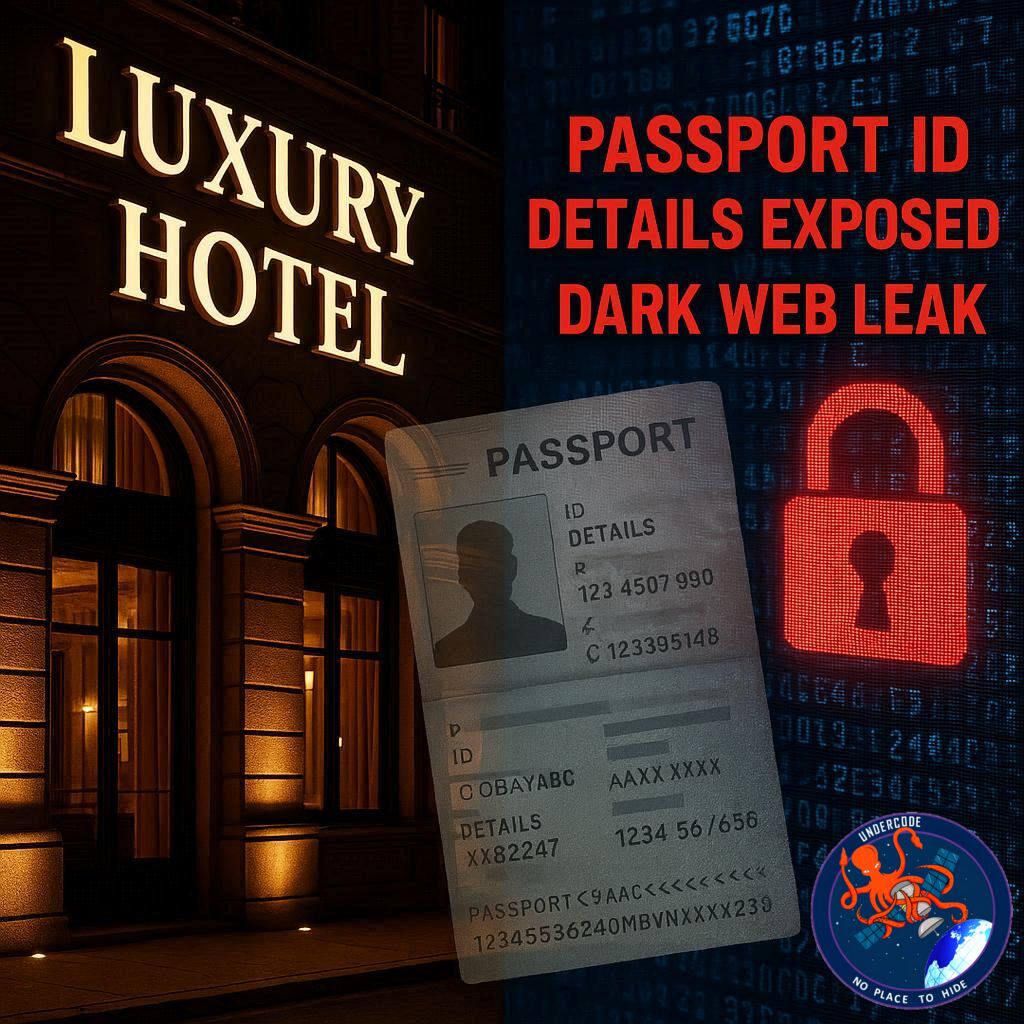
A shocking data breach has allegedly struck the Borghese Contemporary Hotel, a high-end establishment known for hosting luxury travelers and VIP guests. According to dark web monitoring sources, hackers have put up 7,600 guest passports and ID scans for sale on underground forums. Such sensitive data could fuel a wide range of cybercrimes, from identity theft to fraudulent travel arrangements. This breach serves as yet another reminder of the increasing risks facing the hospitality industry in an era of sophisticated cyberattacks.
the Incident
Dark Web Intelligence, a monitoring account that tracks underground marketplaces, reported that a seller on a dark web forum is offering a database containing thousands of highly sensitive documents allegedly stolen from the Borghese Contemporary Hotel. The leaked trove reportedly includes passport scans, national IDs, and personal details of approximately 7,600 hotel guests.
While the authenticity of the data is yet to be confirmed, the listing suggests the breach occurred recently, and the data is being sold to the highest bidder. The seller claims the information comes directly from the hotel’s reservation and guest identification systems, meaning both current and past visitors could be impacted.
If true, the consequences could be severe: criminals could use the stolen documents for identity theft, fake travel documents, money laundering, and even cross-border smuggling activities. Passports, in particular, hold a high black-market value due to their versatility in illicit operations.
This incident underscores a growing trend in which cybercriminals target luxury hotels, which often store valuable personal and payment data of affluent guests. In the last few years, several renowned hotel chains have faced similar breaches, demonstrating that hospitality businesses remain prime targets for hacking groups.
The alleged Borghese breach also highlights another alarming factor: data brokers on the dark web often package and resell stolen data repeatedly, meaning victims may face risks for years to come. Moreover, such documents can be used across multiple countries without immediately triggering law enforcement alerts.
Despite the severity of the allegations, the Borghese Contemporary Hotel has not yet issued an official statement addressing the claims. Cybersecurity analysts stress that if confirmed, the breach would require swift incident response, including notifying affected guests, informing law enforcement, and enhancing digital defenses to prevent future attacks.
What Undercode Say:
From a cybersecurity perspective, this alleged breach reflects several weaknesses in hotel IT infrastructure. Many hotels still operate on outdated reservation systems, often with minimal encryption for stored documents. If the Borghese Contemporary Hotel breach is real, it demonstrates that attackers may have exploited a weak point such as:
Unpatched vulnerabilities in guest management software.
Weak authentication systems that allow unauthorized access.
Insufficient monitoring of suspicious file transfers or database access.
Luxury hotels, in particular, face unique challenges: they are not only targeted for financial data but also for personal identity documents. Hackers understand that affluent clientele often have higher-value identities, making them more lucrative targets on underground markets.
The use of passport and ID scans is especially dangerous because unlike credit cards, these documents cannot be “canceled” instantly. Once leaked, they remain valid until physically replaced, and many countries still do not have robust cross-border verification systems to detect fraud instantly.
We also have to consider the resale ecosystem of the dark web. Data like this may first appear on small, closed forums before being redistributed to larger markets, eventually ending up in the hands of organized criminal networks.
For individuals who suspect they may be affected, digital hygiene becomes critical:
Regularly check for unauthorized activities using your identity.
Use identity theft monitoring services.
Report compromised documents immediately to issuing authorities.
For hotels, the lesson is equally clear: cybersecurity investment must match the value of the data stored. High-profile clientele require not only luxury service but also luxury-grade security.
Fact Checker Results ✅❌
✅ Multiple dark web monitoring sources confirm the listing exists.
❌ No official confirmation from Borghese Contemporary Hotel yet.
✅ Risk of identity theft from leaked passports and IDs is extremely high.
Prediction 🔮
Given current cybercrime patterns, this breach — if verified — could trigger a wave of phishing, fake travel bookings, and identity fraud in the coming months. The dark web marketplace will likely see resales of this dataset for years, and law enforcement may only catch a fraction of those exploiting it. Unless hotels globally adopt zero-trust security models and robust encryption, similar breaches will continue to dominate headlines in the luxury travel sector.
🕵️📝✔️Let’s dive deep and fact‑check.
References:
Reported By: x.com
Extra Source Hub:
https://www.medium.com
Wikipedia
OpenAi & Undercode AI
Image Source:
Unsplash
Undercode AI DI v2
🔐JOIN OUR CYBER WORLD [ CVE News • HackMonitor • UndercodeNews ]
📢 Follow UndercodeNews & Stay Tuned:
𝕏 formerly Twitter 🐦 | @ Threads | 🔗 Linkedin | 🦋BlueSky | 🐘Mastodon