
Listen to this Post
Introduction
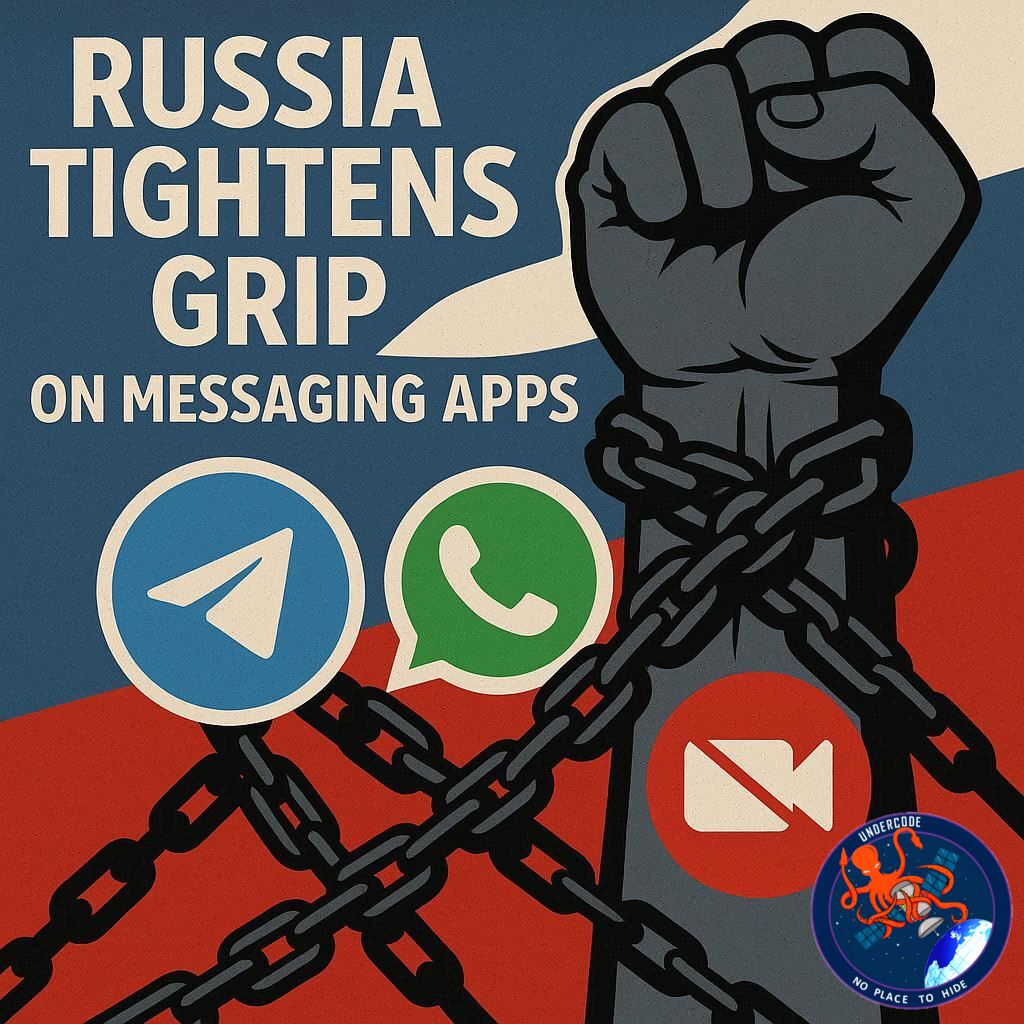
Russia has escalated its ongoing struggle with foreign technology platforms, targeting popular messaging apps Telegram and WhatsApp. The move, which restricts certain voice call functionalities, is framed by Moscow as an effort to curb criminal activity such as fraud and terrorism. However, the decision is also viewed by many analysts as part of a broader push to assert “digital sovereignty,” promoting home-grown alternatives while tightening control over the country’s internet ecosystem.
Main Overview
The Russian digital development ministry announced on Wednesday that restrictions are being applied to calls on Telegram and WhatsApp, citing repeated failures by these platforms to cooperate with law enforcement on cases related to fraud and terrorism. Moscow has long had disputes with foreign tech companies over content regulation and data storage, disputes that intensified following Russia’s invasion of Ukraine in February 2022. Critics argue that these measures are part of a broader effort to centralize control over the internet within Russia.
President Vladimir Putin has endorsed the creation of a state-backed messaging platform, designed to integrate government services and reduce reliance on foreign-owned applications. Roskomnadzor, the communications regulator, clarified that the restrictions affect only voice calls and that all other functionalities of these apps remain operational.
Telegram responded by emphasizing its active monitoring of public channels to combat fraud and violent content, using AI tools to remove millions of malicious messages daily. Despite this, reports confirmed that Telegram calls have been largely nonfunctional since August 11, while WhatsApp calls experience distorted sound or are entirely unworkable. The digital development ministry stated that restrictions could be lifted if the platforms comply with Russian law, including establishing legal entities in Russia and full cooperation with authorities.
Meta, WhatsApp’s parent company, was labeled an extremist organization by Moscow in 2022, though WhatsApp has largely remained available. Some lawmakers have suggested WhatsApp’s continued presence poses a national security risk, warning that it might eventually be forced to exit the market. Observers also fear that Russia’s new state-backed app could track user activity and that existing apps’ speeds might be deliberately slowed to encourage migration to the domestic platform. Human Rights Watch has noted a marked increase in Russia’s ability to control internet infrastructure, enabling widespread censorship and blocking of unwanted services and information circumvention tools.
What Undercode Say:
Russia’s restrictions on Telegram and WhatsApp are emblematic of a larger geopolitical struggle over information control and technological independence. By targeting these widely used messaging platforms, Moscow is signaling that compliance with domestic legal frameworks is non-negotiable, and foreign companies must either conform or face operational limitations. This aligns with Russia’s broader strategy of achieving digital sovereignty, where government-backed services can replace foreign platforms while reinforcing state oversight.
The partial blocking of voice calls, while leaving text-based messaging mostly untouched, demonstrates a calibrated approach to pressure these platforms without completely alienating the public. This method allows authorities to enforce compliance incrementally while gauging public response and adjusting policies accordingly. Critics, however, view this as a subtle form of coercion designed to channel users toward Russia’s home-grown messaging ecosystem, which could enhance government surveillance capabilities.
Historically, foreign platforms such as Meta and Telegram have resisted some of Russia’s demands, citing user privacy and operational autonomy. The use of AI moderation on Telegram illustrates how technology firms attempt to balance content regulation with global standards, yet these efforts have not sufficed to meet Moscow’s legal expectations. This tension highlights the broader challenge of operating within jurisdictions that require adherence to strict local laws while maintaining a consistent global user experience.
Furthermore, labeling Meta as extremist while maintaining WhatsApp under strict oversight reflects a nuanced strategy by Russian authorities to selectively penalize certain entities while keeping widely used communication channels operational. Lawmakers’ statements warning of potential national security risks tied to WhatsApp indicate that policy decisions are not purely technical but are intertwined with strategic geopolitical and security considerations.
The introduction of a state-backed messaging app also raises privacy and security concerns. Users may face increased monitoring and data collection, with the Russian government gaining insight into communications that were previously protected by the privacy policies of foreign platforms. This shift reflects an ongoing global trend where states seek greater control over digital infrastructure, and the Russian model may serve as a blueprint for other countries pursuing similar objectives.
Economic implications are also notable. Restricting foreign apps can boost domestic digital services, potentially creating a new tech ecosystem within Russia. However, such policies risk alienating international investors and complicating global partnerships for domestic companies seeking expansion beyond Russia’s borders.
Socially, users may experience frustration due to degraded service quality or forced migration to government-backed apps. While authorities frame these changes as protective measures against fraud and terrorism, critics argue that the ultimate goal is a monopolized digital landscape, where public discourse is more easily monitored and controlled.
From a technological perspective, Russia’s measures demonstrate an increasingly sophisticated capability to throttle and block digital services. Human Rights Watch’s observations underline that Moscow is building an infrastructure capable of enforcing selective restrictions on global platforms, which could extend beyond messaging apps to other areas of the internet ecosystem.
In summary, Russia’s move to limit Telegram and WhatsApp calls is both a practical law enforcement tool and a strategic maneuver to consolidate digital sovereignty. While the short-term impact disrupts communication for millions, the long-term implications could reshape the Russian internet landscape, intensifying state oversight while encouraging the adoption of domestic alternatives.
🔍 Fact Checker Results
✅ Russia has restricted Telegram and WhatsApp calls, confirmed by multiple news sources.
✅ Meta was branded an extremist organization in Russia in 2022.
❌ There is no evidence that all messaging functions are fully blocked, only calls are affected.
📊 Prediction
Russia is likely to continue enforcing stricter regulations on foreign messaging platforms, potentially extending beyond voice calls to include file sharing and video communication. This could accelerate the adoption of the government-backed messaging app, while international tech firms may reconsider their strategies for operating within Russia. Users may gradually shift to domestic alternatives, leading to a highly monitored, localized digital ecosystem.
🕵️📝✔️Let’s dive deep and fact‑check.
References:
Reported By: www.deccanchronicle.com
Extra Source Hub:
https://www.linkedin.com
Wikipedia
OpenAi & Undercode AI
Image Source:
Unsplash
Undercode AI DI v2
🔐JOIN OUR CYBER WORLD [ CVE News • HackMonitor • UndercodeNews ]
📢 Follow UndercodeNews & Stay Tuned:
𝕏 formerly Twitter 🐦 | @ Threads | 🔗 Linkedin | 🦋BlueSky | 🐘Mastodon


